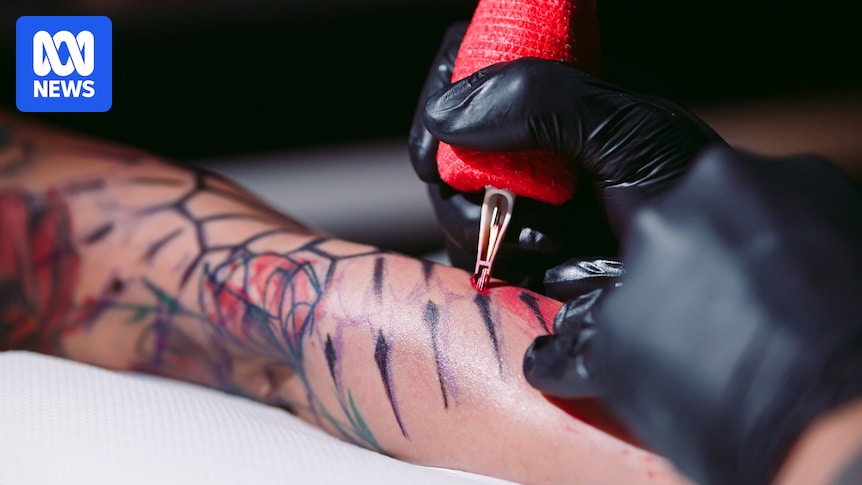

With summer inviting a resurgence of skin exposure, many are contemplating new tattoos-a practice steeped in history, dating back thousands of years. One of the earliest examples is Ötzi the Iceman, a well-preserved mummy from around 3300 BCE, who boasted 61 tattoos on his body. While ancient inks were primarily crafted from soot, modern tattoo artists have innovated with various compounds to improve ink quality. Recent archaeological techniques have unearthed ancient tattoos and shed light on their medical, spiritual, and cultural implications.
Despite the growing popularity of body art, research regarding the long-term effects of tattoo inks has lagged. Tattoo ink is injected into the dermis, the skin’s middle layer, which is crucial for ensuring longevity. However, emerging studies suggest that certain inks, particularly when colorful, may carry increased health risks, including allergic reactions during removal and potential cancer links.
Claire Lenehan, a chemist at Flinders University, notes that most contemporary inks contain pigments alongside additives to achieve desired consistency. “These ink ingredients are designed to remain in the skin long-term,” she explained, “and they are often used in other industries, such as automotive paints.” Understanding the true composition of tattoo inks can be challenging. A recent study led by Lenehan’s team found discrepancies between ink labels and their actual contents-one yellow ink analyzed contained aluminum, sodium, and silicon, ingredients that were absent from the label.
Australia’s tattoo history is extensive yet often centered in subcultures until more recently, when tattoos gained mainstream acceptance. Although many artists today are discerning about ink quality, the lack of regulation breeds uncertainty. A 2023 report revealed that some inks still contain hazardous compounds like lead and chromium, despite a 2022 EU ban on certain harmful ingredients. Additionally, a study by the Australian Industrial Chemicals Introduction Scheme found that one in five tattoo inks in Australia contained polycyclic aromatic hydrocarbons (PAHs), known carcinogens when exposure is high.
The question of whether tattoos amplify cancer risk remains contentious. Preliminary studies show mixed results: Research involving Danish twins revealed a slight uptick in skin and lymphatic cancer risks for those with tattoos larger than palm size. Conversely, another study indicated that more tattoos might actually correlate with a decreased risk of melanoma. The mechanisms behind these effects remain elusive, but there is speculation that certain ink ingredients may disseminate to lymph nodes.
As tattoo acceptance widens, especially among older populations seeking to fulfill long-held desires, research on potential health repercussions is gaining pertinence. Dr. Samantha Reeve of Victoria University acknowledges the growing need for understanding the risks as tattoos become increasingly commonplace.
Compounding the complexities, tattoo removal presents additional health concerns. The removal process, which utilizes lasers to fragment ink particles, can inadvertently release those particles into the body, potentially leading to allergic reactions-particularly if the individual experienced prior reactions to the ink. “The lack of regulation makes it difficult to manage any reactions,” Dr. Reeve cautions.
Emerging research also indicates that the tattoo removal process may unknowingly generate harmful compounds like benzene, a recognized carcinogen. Lenehan’s research focuses on assessing exposure levels during tattoo removals. As researchers collect data through urine samples from removal patients, they aim to determine the concentration of benzene produced and whether this poses significant health risks.
As the fascination with tattoos continues to flourish, understanding their potential health impacts remains a critical area for ongoing inquiry. With public interest rising, the conversation around the safety and implications of this ancient art form is more crucial than ever.
Original Source: https://www.abc.net.au/news/science/2026-01-02/science-tattoo-research-cancer-risk/105956498
Category :
Tags:
Publish Date: 2026-01-02 00:09:00