
The Future of GPU Pricing: Navigating a Changing Landscape
In an era where technology evolves at an unprecedented pace, the impending increase in GPU prices poses a significant shift that digital creators and gamers alike must reckon with. As industry giants NVIDIA and AMD reportedly prepare for substantial price hikes beginning early in 2026, it prompts a deeper reflection on the implications for the entire hardware market and those who depend on it.
The recent reports indicate a ripple effect caused by global supply constraints on memory components, specifically DRAM and high-speed VRAM. This shift in pricing dynamics is not merely a temporary phase; it portends broader implications that can affect budgeting and purchasing decisions for both gamers and content creators.
Context: The Price Surge
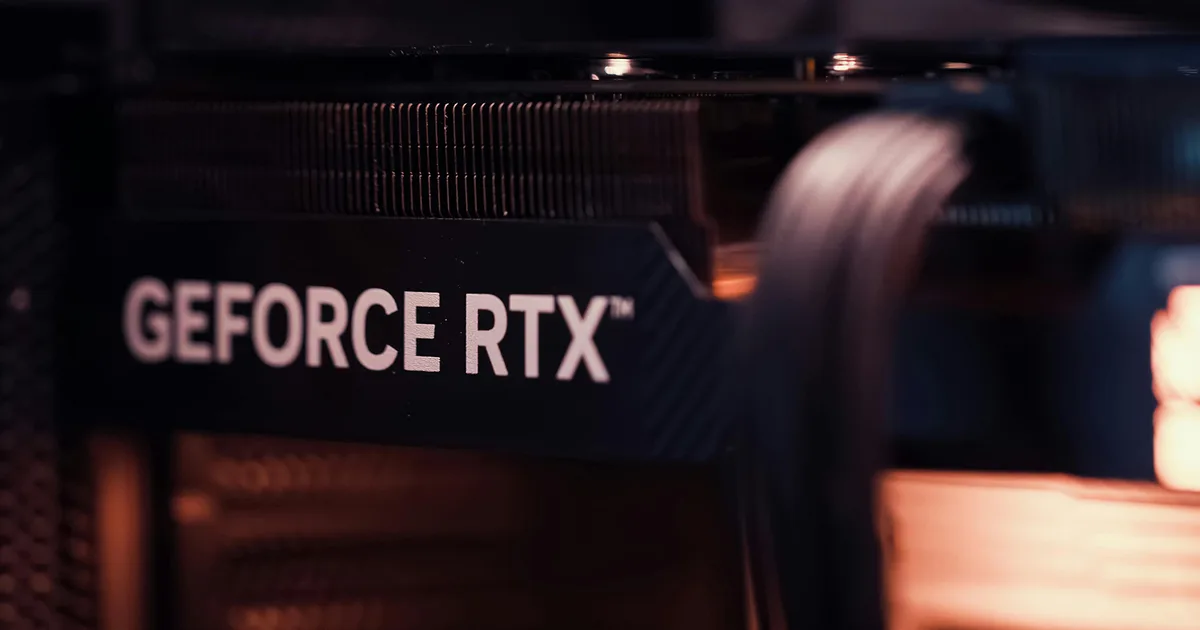
According to various industry sources, the flagship GeForce RTX 5090-initially priced around $2,000-could escalate to an astonishing $5,000. Such a sharp increase would not only set a new benchmark for consumer graphics card pricing but may also fundamentally reshape market expectations. Analysts highlight that memory costs now constitute a more substantial share of GPU production expenses, solidifying the notion that material shortages directly influence retail price trends.
Analysis: Strategic Implications for Enterprises
The looming GPU price increases represent a transformative moment for enterprise architecture and strategy. As professionals in technology and digital sectors, we must consider both short- and long-term ramifications. Higher prices create immediate hurdles for hardware acquisition and potential budget constraints-issues that businesses must preemptively address when designing their IT strategies.
Scalability vs. Immediate Implementation
Enterprises must now weigh the trade-offs between immediate acquisition and potential future gains. Should a CTO rush to upgrade to high-end solutions, or is it prudent to maximize the value of existing resources while waiting for potential market corrections? This question becomes critical in guiding not only purchasing strategies but also influencing the architectural designs of systems that rely heavily on GPU performance.
The Build vs. Buy Debate
As organizations contemplate future investments, the decision to develop in-house capabilities versus acquiring external solutions becomes pivotal. For those who delay purchasing high-end GPUs, the emphasis may shift towards optimizing software for lower-tier components or leveraging cloud solutions, where GPU resources can be accessed as-needed without heavy upfront expenditures.
The Localization Angle: Impacts in Northeast India
Though the immediate concern is global, there are nuanced implications for specific regions such as Northeast India. In a landscape where technology infrastructure is still maturing, the potential costs of GPUs may curtail the digital transformation timelines for enterprises in this region. Accessibility to high-performance computing can directly impact sectors like e-Governance and digital startup ecosystems, making strategic planning central to overcoming these barriers.
Takeaways
- Preparedness is Essential: Businesses need to actively assess their GPU-related needs and possibly engage in preemptive buying strategies to mitigate future price spikes.
- Future-Proofing Infrastructure: Organizations should look for scalable solutions that can adapt as technology evolves, balancing current operational needs with strategic foresight.
- Maximize Existing Assets: Focus on optimizing available technology while assessing long-term investments in a fluctuating market.
Closing Thought
As we stand at the intersection of technological advancement and economic pressures, understanding the nuanced dynamics of GPU pricing can empower organizations to make informed decisions. The capacity to adapt will define competitive advantage in a rapidly changing market, underscoring the importance of strategic foresight in technology investments.
About the Author
Sanjeev Sarma is the Founder Director of Webx Technologies Private Limited, a leading Technology Consulting firm with over two decades of experience. A seasoned technology strategist and Chief Software Architect, he specializes in Enterprise Software Architecture, Cloud-Native Applications, AI-Driven Platforms, and Mobile-First Solutions. Recognized as a “Technology Hero” by Microsoft for his pioneering work in e-Governance, Sanjeev actively advises state and central technology committees, including the Advisory Board for Software Technology Parks of India (STPI) across multiple Northeast Indian states. He is also the Managing Editor for Mahabahu.com, an international journal. Passionate about fostering innovation, he actively mentors aspiring entrepreneurs and leads transformative digital solutions for enterprises and government sectors from his base in Northeast India.