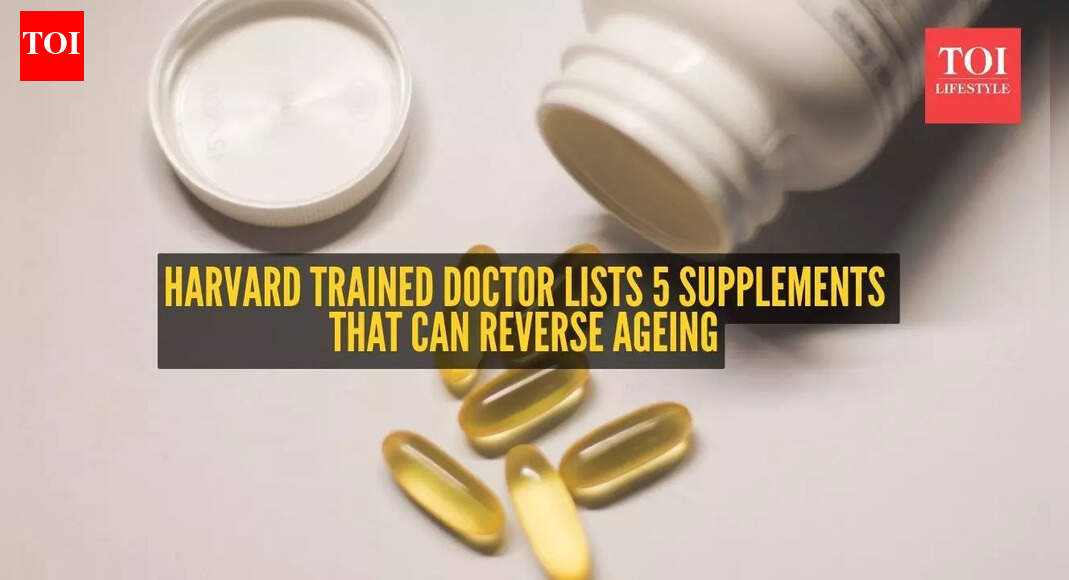

Aging is not a sudden feeling but rather a gradual process influenced by numerous factors, including inflammation, mitochondrial decline, oxidative stress, and countless subtle biochemical decisions made by our cells daily. The scientific community is still divided over how much of this aging process is inevitable versus how much can be altered by our choices. The idea of reversing biological age, once dismissed as mere fantasy, has gained momentum, evolving into serious research focused on longevity biomarkers, epigenetic clocks, and nutrient-driven metabolism studies.
In this evolving landscape, Dr. Joshua Helman, an emergency physician trained at Harvard with expertise in metabolic and longevity medicine, stands out as a prominent advocate for the potential of targeted supplementation to alter the aging trajectory. He identifies five supplements believed to possibly reverse biological aging.
Honokiol, a bioactive compound derived from magnolia bark, has shown promising antioxidant and anti-inflammatory properties in preliminary studies. It appears to reduce reactive oxygen species (ROS), support mitochondrial function, and lower inflammatory signaling, all critical pathways linked to cellular aging. A 2025 study revealed that honokiol and extracts of Magnolia officinalis significantly decreased ROS in senescent fibroblasts, restoring mitochondrial function, which suggests a viable path toward cellular rejuvenation.
Creatine, a naturally occurring amino acid derivative, plays a crucial role in generating short bursts of energy for both muscle and brain. By maintaining lean muscle mass and enhancing performance, creatine may mitigate age-related declines and frailty. A recent study from Kansas Medical Center indicated that creatine could also enhance cognitive function in individuals with Alzheimer’s disease.
Nitric oxide boosters, which are derived from dietary nitrates found in foods like beetroot and leafy greens, convert into nitric oxide (NO) in the body. This compound acts as a vasodilator, lowering vascular resistance, improving endothelial function, and enhancing oxygen delivery to muscles, all of which are beneficial for cardiovascular health and physical performance as we age.
Modified citrus pectin (MCP), commonly marketed as PectaSol-C, is a chemically altered form of pectin designed to bind galectin-3, a protein linked to inflammation and cardiovascular disease risk. By inhibiting this protein, MCP represents a promising anti-aging strategy. Preliminary human studies have indicated that MCP enhances the urinary excretion of heavy metals and demonstrates the potential to influence biomarkers associated with galectin-3-related biology.
Nicotinamide mononucleotide (NMN) is another supplement capturing attention; it serves as a direct precursor to NAD+, a vital cofactor essential for mitochondrial energy production, DNA repair, and sirtuin signaling. As NAD+ levels decline with age, augmenting its presence has emerged as a key focus in aging research. Several randomized, placebo-controlled trials have shown that oral NMN supplementation elevates blood NAD+ metabolites and can yield measurable benefits, such as improved aerobic capacity and metabolic function.
It is essential to emphasize that while these findings are promising, they are still under investigation. Anyone considering supplements should consult with a qualified healthcare professional before starting new treatments or changing their dietary practices.
Original Source: https://timesofindia.indiatimes.com/life-style/health-fitness/health-news/5-supplements-that-might-reverse-ageing-as-per-a-harvard-trained-neuroscientist/articleshow/125897104.cms
Category:
Tags:
Publish Date: 2025-12-11 06:00:00