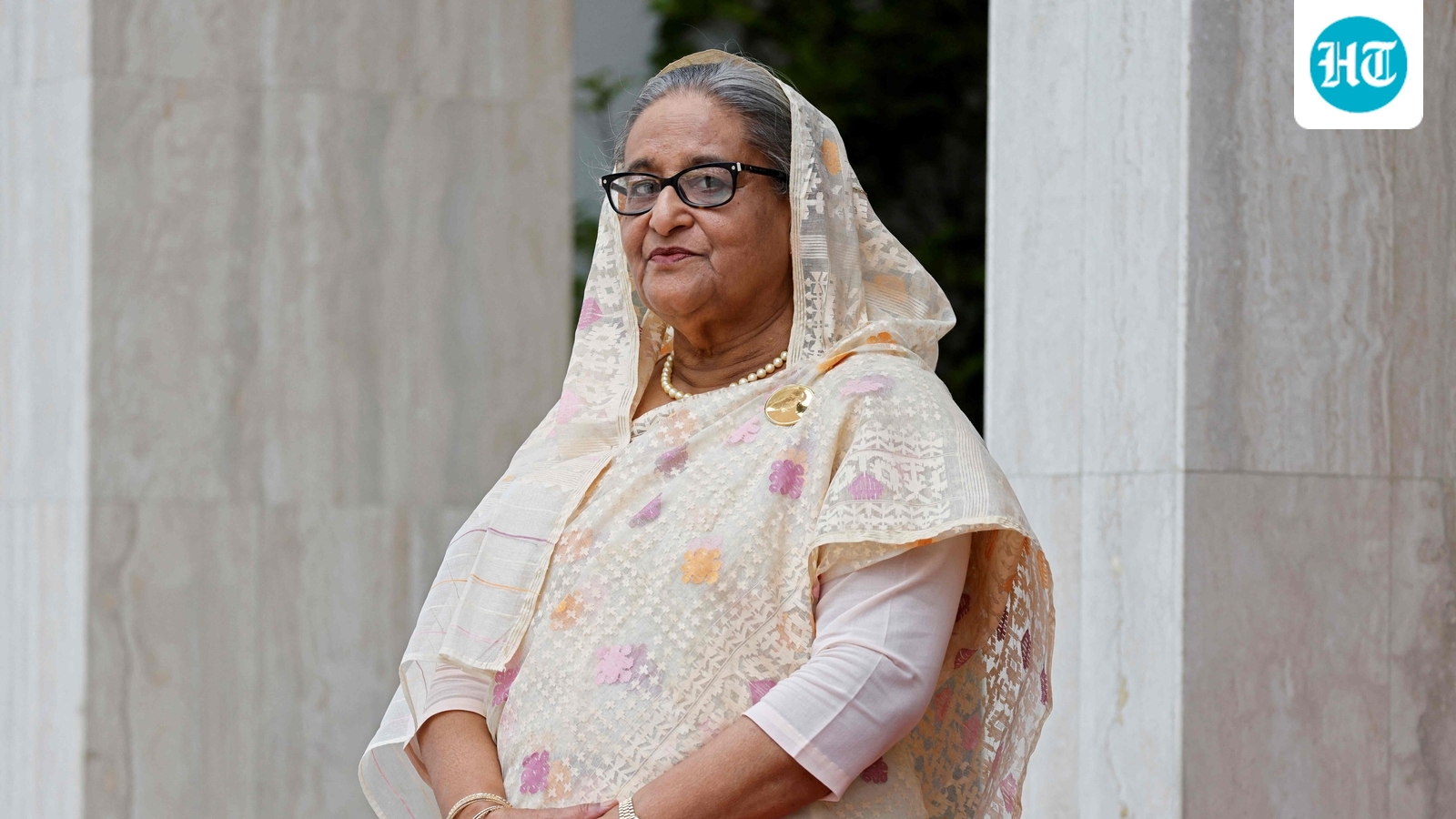
Sheikh Hasina’s Shocking Death Sentence: Emotional Verdict, India’s Urgent Response, and the Critical Path Ahead

Former Prime Minister Sheikh Hasina of Bangladesh received a death sentence on Monday after a tribunal court found her guilty of “crimes against humanity” related to the 2024 student uprising. The ruling has been met with relief from the families affected by police brutality during the protests, although Hasina remains in exile in India.
Judge Golam Mortuza Mozumder announced the verdict, stating that Hasina was guilty on three counts: incitement to violence, commanding killings, and failing to act to prevent the atrocities. Initially sentenced to life in prison, the tribunal later opted for capital punishment after adding more serious charges. “We have decided to inflict her with only one sentence — that is, sentence of death,” Judge Mozumder declared.
Alongside Hasina, former Interior Minister Asaduzzaman Khan Kamal was also sentenced to death, while former Inspector General of Police Chowdhury Abdullah Al-Mamun received a five-year prison term due to his cooperation with investigators and a guilty plea in July. The charges against Hasina and her aides included the orchestrated mass killings of protesters in Dhaka, deploying helicopters and drones to attack civilians, the murder of student activist Abu Sayed, destroying evidence by incinerating bodies in Ashulia, and a coordinated campaign against demonstrators in Chankharpul.
In response to the verdict, Hasina claimed the proceedings were “rigged” and politically motivated, labeling the tribunal a “kangaroo court.” Meanwhile, Bangladesh’s interim government, led by Muhammad Yunus, expressed approval of the ruling, emphasizing that “no one, regardless of power, is above the law.”
Following the announcement, Bangladesh urged India to extradite both Hasina and Khan, arguing that they were tried in absentia after fleeing the country amid the unrest. The Bangladeshi government cited an extradition treaty as grounds for this request. India acknowledged the verdict, reaffirming its commitment to the stability and democratic integrity of Bangladesh.
The next steps for Hasina hinge on India’s response to the extradition request. The Bangladeshi Foreign Ministry asserted, “It would be a grave unfriendly act and a contempt of justice for any other country to grant asylum to these individuals convicted of crimes against humanity.” If India complies, the International Crimes Tribunal will seek to confiscate Hasina’s properties, transferring them to state control.
Though Hasina could potentially appeal the ruling, such action would only be possible if she returns to Bangladesh voluntarily or is apprehended within 30 days. Should she disregard the court summons, she could be declared a fugitive, allowing the government to confiscate her assets and revoke her passport. Additionally, Dhaka may escalate extradition efforts and issue an Interpol red notice if necessary.
As these developments unfold, the international community is closely observing the situation, with significant implications for Bangladesh’s political landscape and justice for victims of the 2024 uprising.
Original Source: https://www.hindustantimes.com/world-news/sheikh-hasina-death-sentence-the-verdict-indias-response-and-whats-next-101763431201751.html
Category :
Tags:
Publish Date: 2025-11-18 08:26:00