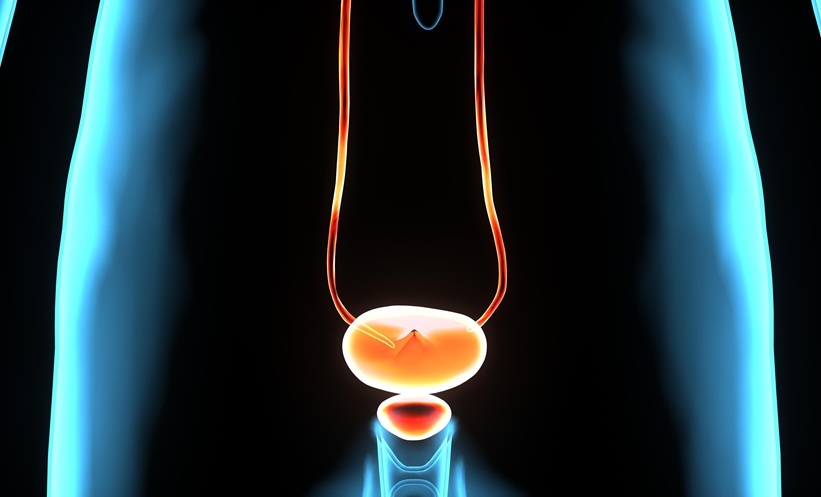
Conquering Lower Urinary Tract Injuries in Pelvic Fractures: Your Essential Guide to Recovery and Hope

Pelvic fractures represent a significant health risk, as these severe injuries can jeopardize the structural integrity of the pelvic bone, thereby endangering vital organs like the bladder and urethra. Recent research reveals that approximately 10-15% of patients with pelvic fractures experience lower urinary tract injuries, often resulting from shearing forces or sharp bony fragments that penetrate soft tissues. These injuries may lead to a range of complications, including urinary blockage, infections, urethral narrowing, and long-term dysfunction, underscoring the critical need for early recognition and management.
Despite advancements in imaging techniques and established clinical guidelines, lower urinary tract injuries in pelvic trauma often go undiagnosed in a timely manner, particularly in emergency settings. The clinical signs can be subtle, with hematuria or blood at the urethral opening serving as primary indicators. While bladder injuries are usually validated through retrograde or CT cystography, retrograde urethrography is still regarded as the gold standard for diagnosing urethral injuries. However, patients who are hemodynamically unstable or those with complex injuries may not be candidates for immediate imaging, which can delay diagnosis.
A 13-year observational study involving 2,865 patients with pelvic fractures found a troubling 10.2% rate of missed lower urinary tract injuries, often detected between one and 13 days after admission. The research pointed out that men were more prone to suffering urethral injuries, whereas women largely faced bladder injuries. In some cases, the placement of a Foley catheter masked critical symptoms, especially in female patients, complicating prompt diagnosis.
The study emphasizes the effectiveness of early CT scans in facilitating swift identification of lower urinary tract injuries, enabling timely interventions and minimizing the need for follow-up studies. Even when diagnoses are not made within the first two weeks post-injury, dedicated monitoring, urinary diversion, and subsequent imaging can still yield comparable short-term infection rates and functional outcomes.
This research sheds light on the necessity of systematic follow-up and multidisciplinary management in trauma care. Recognizing gender differences and performing thorough evaluations in hemodynamically stable patients are vital. Adhering to guidelines set forth by the European Association of Urology (EAU) and the American Urological Association (AUA) is crucial in reducing the complications that arise from delayed recognition of these injuries.
In an era where timely medical intervention can significantly influence patient outcomes, understanding the challenges and improving diagnostic protocols for lower urinary tract injuries in pelvic fractures is more important than ever. This study serves as a call to action for those involved in trauma care to enhance early detection strategies and improve patient management in this complex field.
Reference: Yang YK et al. Diagnostic challenges in blunt pelvic fracture-related lower urinary tract injuries: a 13-year retrospective study. BMC Urol. 2025;25(1):254.
Original Source: https://www.emjreviews.com/urology/news/lower-urinary-tract-injuries-in-pelvic-fractures/
Category :
Tags:
Publish Date: 2025-10-23 19:30:00