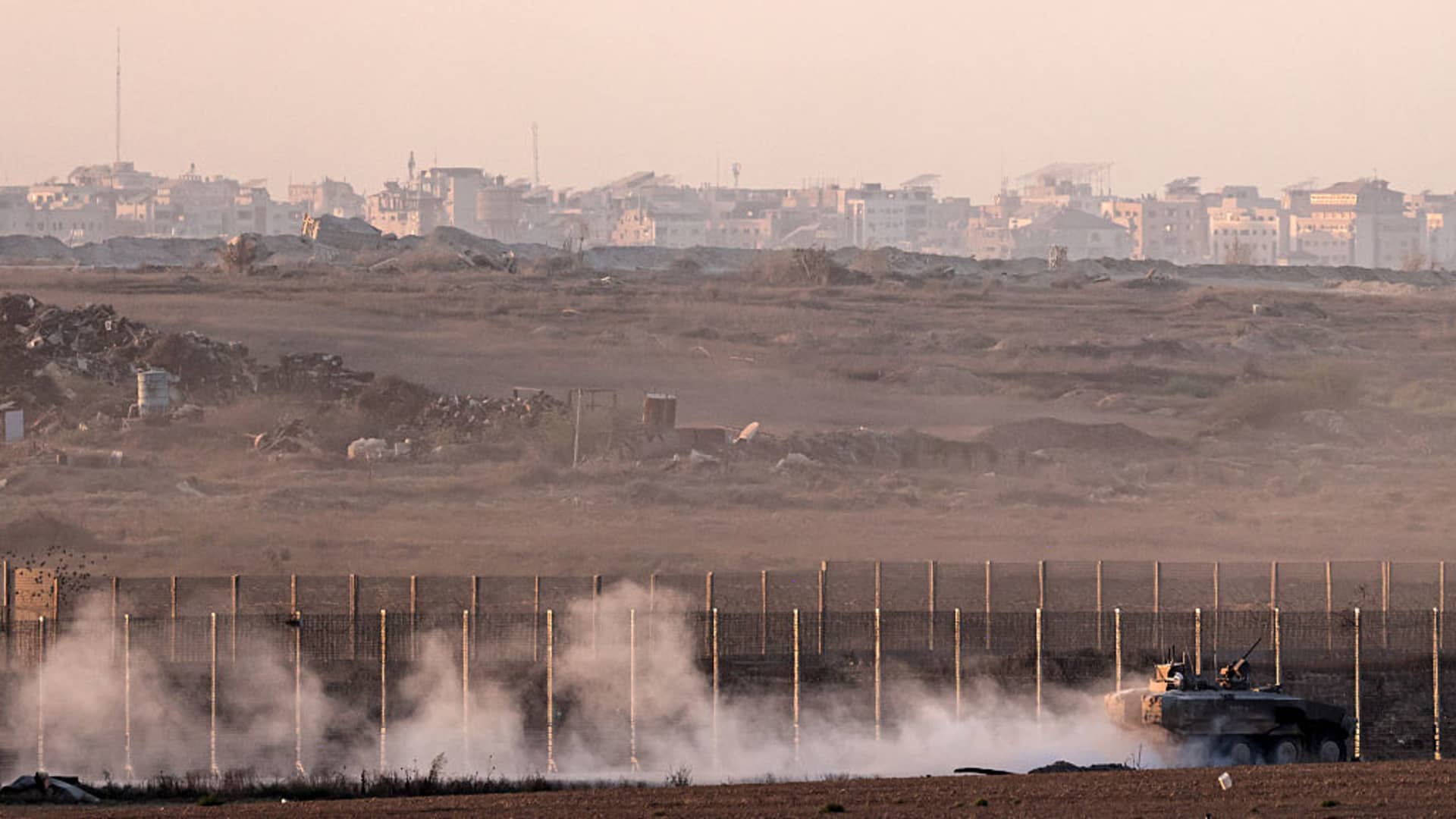

Israeli Prime Minister Benjamin Netanyahu announced on Saturday that the Rafah border crossing between Gaza and Egypt will remain closed until further notice. The decision, he stated, hinges on Hamas’s compliance with the handover of bodies of deceased hostages amidst ongoing accusations of ceasefire violations between both sides. This development follows a brief announcement from the Palestinian embassy in Egypt that the crossing, which serves as a crucial entry and exit point for Gazans, would reopen on Monday.
For days, the Israeli government and Hamas have engaged in a blame game regarding adherence to the U.S.-mediated ceasefire. The U.S. State Department weighed in late Saturday, citing “credible reports” of an impending violation by Hamas against the civilian population in Gaza. A spokesperson warned that such an attack would constitute a serious breach of the ceasefire and indicated that protective measures would be implemented should the alleged attack proceed, although specifics were not disclosed.
Hamas, on its part, refuted the accusations of planning an immediate attack, instead asserting that Israeli authorities have been responsible for arming criminal factions responsible for violence and looting. The group defended the actions of the Palestinian police, which are focused on curtailing these criminal activities. In a statement, Hamas called upon the U.S. to cease perpetuating the Israeli narrative.
The situation remains tense, as former U.S. President Donald Trump hinted at potential military re-engagement in Gaza if Hamas fails to uphold the terms of the ceasefire he facilitated. At the same time, Hamas has intensified its crackdown on urban areas previously evacuated by Israeli forces, signaling its dominance through public executions and confrontations with local armed clans.
Hamas criticized Netanyahu’s recent announcement, characterizing it as a blatant breach of the ceasefire agreement and an affront to the commitments established with mediation parties. The continued closure of the Rafah crossing, according to the militant group, impedes the necessary recovery efforts for hostages beneath the rubble, delaying the return of their remains.
As the war has raged on, the humanitarian crisis in Gaza has reached catastrophic proportions, with nearly the entire population displaced. Reports from a global hunger monitor confirmed widespread famine, exacerbated by overwhelmed health authorities. The contentious discussions surrounding the hostage return and the delivery of essential humanitarian aid underscore the fragility of the ceasefire, which remains susceptible to disruption over profound issues addressed in Trump’s 20-point plan to end the conflict.
Israel has received a total of 12 out of 28 bodies under the U.S.-brokered arrangement and claims that Hamas is too slow in completing the handover. The deal stipulates Israel must return 360 bodies of Palestinian militants in exchange for deceased Israeli hostages, of which they have returned 15 for each Israeli body received. The Rafah crossing has been primarily closed since May 2024, complicating the humanitarian situation as aid delivery struggles to meet overwhelming needs.
Despite some increase in aid since the ceasefire, with around 560 metric tons of food entering Gaza daily, according to the U.N. World Food Programme, it remains insufficient. Key issues regarding Hamas’s disarmament, the governance of Gaza, an international stabilization force, and pathways to a Palestinian state linger unresolved, highlighting the formidable obstacles that continue to threaten Trump’s peace initiative.
Original Source: https://www.cnbc.com/2025/10/19/israel-trades-accusations-of-ceasefire-violation-with-hamas.html
Category :
Tags:
Publish Date: 2025-10-19 13:35:00