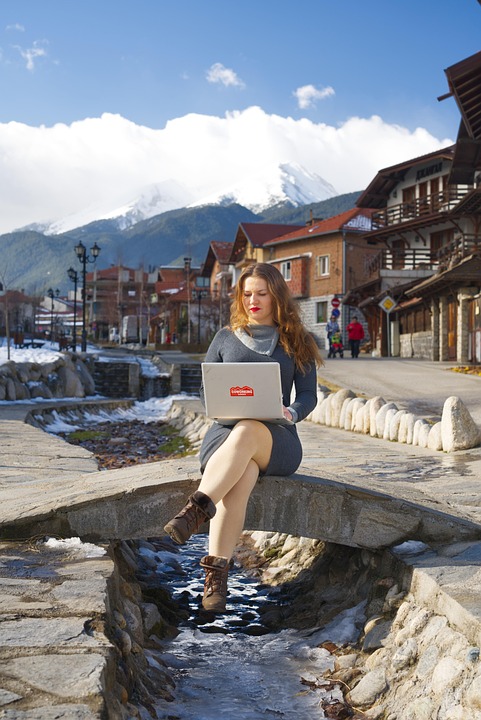

Imagine this: you’re sipping a cup of Assam tea in a cozy café in Guwahati, your laptop open, connecting with clients across the globe. The world of remote work has transformed our professional landscapes, offering unprecedented flexibility and opportunities. But as we navigate this digital frontier, it’s crucial to understand the evolving policies that shape our journeys.
In 2024, the global landscape for digital nomads has seen significant shifts. Countries are not just opening their doors but are actively rolling out tailored policies to attract remote workers. Let’s explore some of these initiatives and what they mean for you.
Portugal’s D8 Visa: A Gateway to Europe
Portugal has long been a favorite among digital nomads, and its D8 Visa is a testament to this. Designed for freelancers and remote workers, this visa allows stays of up to one year, renewable up to five years. With a minimum income requirement of €3,040 per month, it offers a pathway to European residency. The Non-Habitual Resident (NHR) tax regime provides substantial tax benefits, including potential tax exemptions on foreign income. This makes Portugal not just a place to work but a place to call home.
Spain’s Digital Nomad Visa: Embracing Remote Work
Spain has recently introduced its Digital Nomad Visa, aiming to attract remote workers to its vibrant cities and serene coastal towns. With a minimum income requirement of €2,160 per month, this visa allows stays of up to 12 months, with possible extensions. Spain’s rich culture, excellent healthcare system, and diverse landscapes make it an appealing destination for those seeking a balance between work and leisure.
Costa Rica’s Co-Working Spaces in National Parks: Nature Meets Productivity
Costa Rica is taking a unique approach by establishing co-working spaces within its national parks. This initiative caters to remote workers who cherish nature and tranquility. The country’s digital nomad visa offers a one-year residency with the potential for renewal, all while being tax-free on income earned remotely. Costa Rica’s commitment to providing a conducive environment for remote work is evident in its infrastructure and policies.
Bali’s Digital Nomad Visa: Tax-Free Stays
Bali, Indonesia, has introduced a Digital Nomad Visa that allows for a six-month stay without any tax obligations, provided the work is performed for companies or clients outside of Indonesia. This initiative aims to bolster Bali as a key location for digital nomads, offering a tax-free period and fostering a supportive infrastructure for remote workers.
Philippines’ Digital Nomad Visa: Affordable and Culturally Rich
The Philippines has unveiled its Digital Nomad Visa, allowing remote workers to live and work in the country for up to 12 months, with the option to extend for another 12 months. Applicants must meet a minimum monthly income requirement of $2,000. During their stay, remote workers are exempt from income tax on foreign earnings. This program is open to citizens of countries that maintain diplomatic relations with the Philippines, offering an affordable and culturally rich experience for digital nomads.
Bulgaria’s Digital Nomad/Freelancer Program: EU Access
Bulgaria has launched its Digital Nomad/Freelancer Program, offering a Type D Visa through a freelance permit. This program allows remote workers to live and work in Bulgaria for up to 12 months, with the possibility of renewal. The program offers access to the European Union post-2025 and a low tax rate of 10%. Applicants must meet a minimum monthly income requirement of $2,500.
Navigating the Digital Nomad Landscape
As these policies unfold, it’s essential to stay informed and plan accordingly. Each country offers unique benefits, from tax incentives to cultural experiences. However, it’s crucial to consider factors such as visa requirements, income thresholds, and the local cost of living. For instance, while Portugal offers tax benefits, the minimum income requirement might be higher than other destinations. Similarly, Costa Rica’s co-working spaces in national parks provide a unique work environment but may come with limited amenities.
Takeaways
- Diverse Opportunities: The global landscape for digital nomads is expanding, with countries offering tailored policies to attract remote workers.
- Informed Decisions: It’s crucial to research and understand the specific requirements and benefits of each destination to make informed decisions.
- Embrace the Journey: The world is your office. With the right policies and planning, you can work from anywhere, blending productivity with exploration.
As we continue to embrace this digital era, the world becomes a vast, interconnected workspace. The opportunities are boundless, and the choice is yours. Where will your next adventure take you?
About the Author
Sanjeev Sarma is the Founder Director of Webx Technologies Private Limited, a leading Technology Consulting firm with over two decades of experience. A seasoned technology strategist and Chief Software Architect, he specializes in Enterprise Software Architecture, Cloud-Native Applications, AI-Driven Platforms, and Mobile-First Solutions. Recognized as a “Technology Hero” by Microsoft for his pioneering work in e-Governance, Sanjeev actively advises state and central technology committees, including the Advisory Board for STPI and NIELIT. He is also the Managing Editor for Mahabahu.com, an international journal. Passionate about fostering innovation, he actively mentors aspiring entrepreneurs and leads transformative digital solutions for enterprises and government sectors from his base in Northeast India.