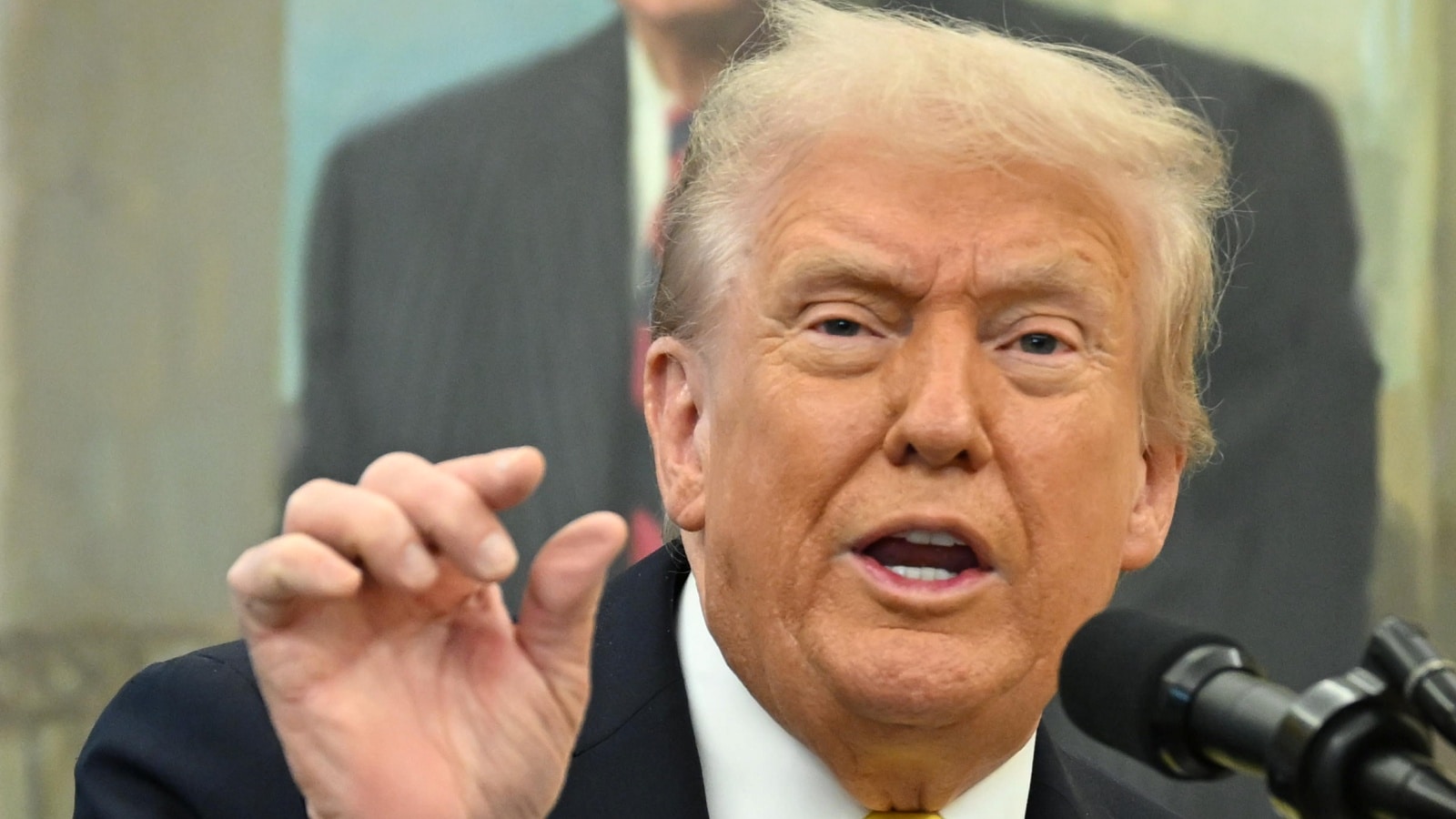

Once again, U.S. President Donald Trump has made a claim that may not align with the facts, yet it is closely tied to the ongoing diplomatic negotiations between India and the United States, prompting New Delhi to proceed with caution. Trump asserted that Prime Minister Narendra Modi assured him that India would cease purchasing Russian oil. However, the Ministry of External Affairs denied any such conversation and reaffirmed its position regarding the Russian oil purchase, which has been subject to an additional 25% tariff imposed by the U.S. in August.
As New Delhi navigates these complexities, a trade delegation is engaged in new discussions aimed at finalizing a bilateral trade deal. Trump’s public statements complicate India’s ability to reduce its intake of Russian oil, should it choose to do so. Oil is a significant revenue source for Russia, and the Trump administration views it as a leverage point in pressuring the Kremlin to end the war in Ukraine. Currently, India stands as the second-largest buyer of Russian oil, behind China, while also negotiating sensitive trade agreements with Washington.
India is clear about maintaining its strategic autonomy and is unwilling to be dictated by external pressures regarding its business ties, particularly with Russia, a longstanding strategic ally. The Indian government has not issued any directives to local refiners regarding Russian crude, insisting that their decisions are driven purely by economic considerations.
Quickly halting Russian oil purchases would be difficult and costly for India. Trump himself noted that while the process to reduce such imports has begun, it cannot be completed immediately. Ending these imports involves complex long-term contracts, operational setups, and market adaptability that cannot be abruptly changed.
“Modi has assured me that there will be no oil purchased from Russia… He’s not buying his oil from Russia. It’s started. He can’t do it immediately; it’s a process that will be over soon,” Trump stated.
In September, India’s imports of Russian oil only slightly declined compared to August, suggesting that U.S. rhetoric has not significantly influenced Indian refineries’ purchasing decisions. The crude oil loadings destined for India from Russian ports remained stable. In fact, preliminary data indicates that Russian oil imports are trending higher in October compared to the previous months.
India’s Russian oil imports in September averaged 1.60 million barrels per day (bpd), a 5% drop from August, according to tracking data from Kpler. By October 10, the average import had risen to 1.81 million bpd, with Russian oil loadings for India remaining consistent month-over-month. Interestingly, a significant portion of Russian crude— over 300,000 bpd-was not accounted for by known destinations and may potentially be directed to India.
The slight drop in Russian oil imports has been attributed more to rising freight costs and narrowing discounts than to pressure from the U.S. Despite this modest decline, Russian oil continues to account for around one-third of India’s total oil imports. The Indian government maintains that it will procure oil from the most favorable sources as long as those sources are not subject to sanctions. Currently, Russian oil remains free of sanctions but is subject to a price cap enforced by the U.S. and its allies on Western shipping and insurance.
While there is no strong indication of a meaningful reduction in Russian oil imports, India’s state-owned refiners have increasingly sought to diversify their oil supply. Though public sector refiners have seen a minor reduction in Russian oil imports, private refiners continue to import robust amounts.
Replacing Russian oil will not be straightforward. Following Russia’s invasion of Ukraine in February 2022, Moscow’s share of India’s oil imports was less than 2%. However, as much of the West abandoned Russian crude, discounts drew Indian refiners, turning Russia into India’s largest oil supplier, surpassing traditional West Asian sources.
Despite the narrowing of discounts on Russian oil, even modest discounts remain appealing given that India is the third-largest global importer, relying on imports for around 88% of its needs. Should India be compelled to replace Russian oil, it would need a multi-regional strategy involving increased purchases from traditional suppliers in West Asia, such as Iraq and Saudi Arabia, along with additional sourcing from regions like West Africa and Latin America.
Experts indicate that while Indian refiners can technically operate without Russian oil, the transition would require significant economic and strategic adjustments. A gradual decline in imports from Russia over time is more likely than an outright cessation.
West Asian medium-sour crudes, closer in quality to Russia’s flagship Urals, pose challenges such as increased costs, logistics, and limited availability, which could complicate the transition for Indian refiners.
“A total stop on Russian crude would involve significant logistical, political, and economic hurdles. India might scale down imports gradually under pressure, but labeling it a done deal is premature. If there is intent to reduce imports, it won’t happen overnight,” cautioned Sumit Ritolia, Lead Research Analyst at Kpler.
Attempting to halt Russian crude imports without a universal embargo could intensify competition for non-Russian oil. While alternative sources exist, they often come with higher costs and logistical challenges. A sudden shift in demand could disrupt regional oil balances, potentially driving up prices and affecting both affordability and refining economics.
Original Source: https://indianexpress.com/article/business/russian-oil-and-us-trade-talks-latest-trump-claim-frames-delhis-challenge-10311545/
Category: Business
Tags:
Publish Date: 2025-10-17 04:15:00