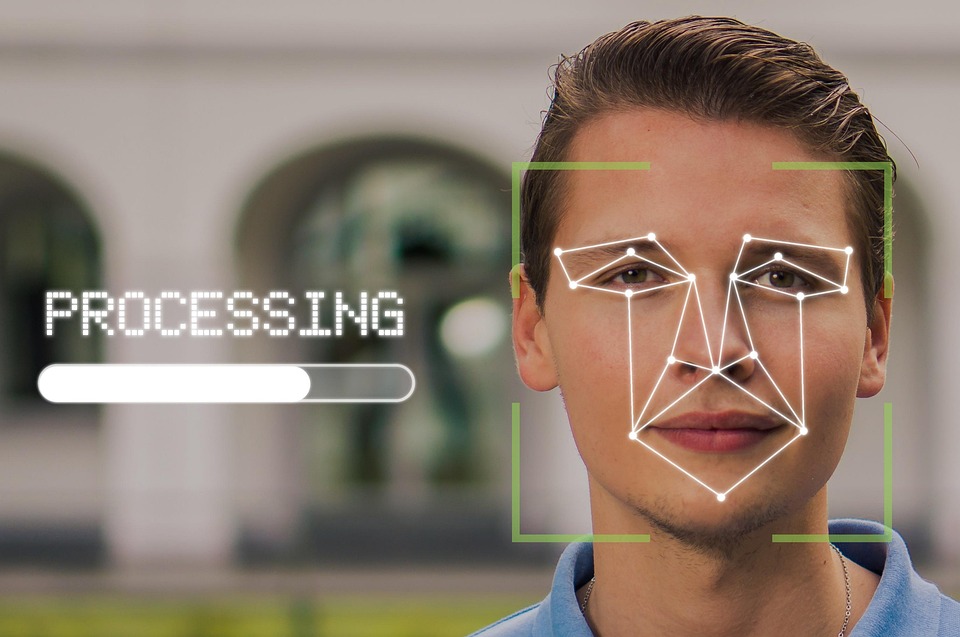
Enhancing Public Service Security: The Role of Behavioral Biometrics in Authentication Systems

Imagine this: you’re navigating through your daily tasks, your smartphone in hand, seamlessly accessing services, making transactions, and communicating. Now, consider the invisible guardian ensuring that only you can perform these actions-behavioral biometrics.
Behavioral biometrics authenticate users based on unique patterns in their behavior, such as typing rhythm, touch gestures, and device handling. Unlike traditional methods like passwords or fingerprints, they offer continuous, passive authentication, enhancing both security and user experience.
In the realm of public services, where safeguarding sensitive information is paramount, integrating behavioral biometrics can revolutionize security protocols. By continuously monitoring user interactions, these systems can detect anomalies indicative of unauthorized access, thereby preventing potential breaches.
For instance, a recent study introduced “BehaveFormer,” a framework that combines keystroke dynamics with data from smartphones’ Inertial Measurement Unit (IMU) sensors. This fusion enhances the accuracy of behavioral biometric systems, achieving an Equal Error Rate (EER) of 2.95% on the HuMIdb dataset. Such advancements demonstrate the potential of behavioral biometrics in providing robust security solutions. (arxiv.org)
Moreover, the “BeeHIVE” system leverages natural interactions with objects in smart environments to authenticate users. By analyzing how individuals interact with their surroundings, it offers a seamless and unobtrusive authentication method, reducing reliance on traditional devices. This approach not only enhances security but also improves user convenience. (arxiv.org)
However, the adoption of behavioral biometrics in public services isn’t without challenges. Privacy concerns are at the forefront, as continuous monitoring of user behavior raises questions about data security and user consent. A study grounded in Protection Motivation Theory found that users’ privacy concerns significantly impact their intention to use behavioral biometric technologies. Addressing these concerns is crucial for the widespread acceptance of such systems. (mdpi.com)
To effectively implement behavioral biometrics in public service authentication, it’s essential to balance security with user privacy. This involves transparent data collection practices, robust encryption methods, and user-centric policies that prioritize consent and control over personal information.
In conclusion, behavioral biometrics hold the promise of transforming authentication systems in public services by providing continuous, passive security measures. By embracing this technology thoughtfully and ethically, we can enhance the protection of sensitive data while maintaining user trust and convenience.
Takeaways:
-
Continuous Authentication: Behavioral biometrics offer ongoing, passive authentication, enhancing security without disrupting user experience.
-
Technological Integration: Combining behavioral data with advanced sensors, like IMUs, can significantly improve the accuracy of authentication systems.
-
Privacy Considerations: Addressing user privacy concerns is vital for the successful adoption of behavioral biometric technologies in public services.
As we advance, the question remains: how can we innovate authentication methods to be both secure and respectful of individual privacy?
About the Author
Sanjeev Sarma is the Founder Director of Webx Technologies Private Limited, a leading Technology Consulting firm with over two decades of experience. A seasoned technology strategist and Chief Software Architect, he specializes in Enterprise Software Architecture, Cloud-Native Applications, AI-Driven Platforms, and Mobile-First Solutions. Recognized as a “Technology Hero” by Microsoft for his pioneering work in e-Governance, Sanjeev actively advises state and central technology committees, including the Advisory Board for STPI and NIELIT. He is also the Managing Editor for Mahabahu.com, an international journal. Passionate about fostering innovation, he actively mentors aspiring entrepreneurs and leads transformative digital solutions for enterprises and government sectors from his base in Northeast India.