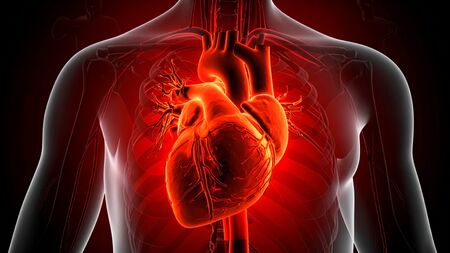

Noncommunicable diseases (NCDs) such as heart disease, stroke, and diabetes have emerged as the leading causes of death and disability globally, according to a recent study published in the journal The Lancet. The findings, based on the latest analysis from the Global Burden of Disease (GBD) project, were also presented at the World Health Summit in Berlin and indicate a significant shift from infectious diseases to NCDs, which now represent nearly two-thirds of total global mortality and morbidity.
The study revealed that ischemic heart disease, stroke, and diabetes rank as the primary causes of death and illness worldwide, including India. Other notable conditions include chronic obstructive pulmonary disease, lower respiratory infections, and neonatal disorders. In stark contrast to 1990, when diarrheal diseases topped the mortality charts with an age-standardized mortality rate (ASMR) of 300.53 per lakh population, ischemic heart disease now leads with an ASMR of 127.82 per lakh.
Interestingly, COVID-19, which was the leading cause of death in 2021, has fallen to the 20th position in 2023. The study underscores that nearly half of all deaths could be prevented by addressing key risk factors, such as high blood sugar levels and body mass index (BMI), according to the researchers.
Dr. Christopher Murray, Director of the Institute for Health Metrics and Evaluation (IHME) at the University of Washington School of Medicine, remarked, “The rapid growth in the world’s aging population and evolving risk factors have ushered in a new era of global health challenges.” He described the GBD study as a wake-up call for government and healthcare leaders to respond urgently to the alarming trends affecting public health.
The extensive study analyzed data from 204 countries and territories along with 660 subnational locations over more than three decades, producing estimates for 375 diseases and injuries and 88 risk factors correlated by age and sex. Despite population growth and aging, the global age-standardized mortality rate has seen a 67% decline since 1950, with every country and territory experiencing reductions.
Life expectancy has rebounded to pre-pandemic levels, standing at 76.3 years for females and 71.5 years for males, which is over 20 years higher than in 1950. Notably, the number of infant deaths has also decreased globally. However, concerning trends have emerged among adolescents and young adults, with significant increases in deaths attributed primarily to suicide, drug overdoses, and high alcohol consumption.
Furthermore, the study highlighted that lead exposure, air pollution, and extreme heat remain serious global health threats. Alarmingly, mental health disorders have surged, with anxiety disorders increasing by 63% and depressive disorders by 26%. Additionally, factors such as sexual abuse and intimate partner violence were identified as preventable contributors to mental health issues, further emphasizing the need for urgent intervention.
Original Source: https://assamtribune.com/health-and-fitness/heart-disease-stroke-and-diabetes-top-causes-of-global-death-the-lancet-1594364
Category: Health & Fitness,More
Tags:
Publish Date: 2025-10-13 15:59:00