
The Middle East is rapidly emerging as a new hotspot for Chinese travelers, shifting the region’s long-standing status as a less popular destination. During this year’s extended Golden Week holiday-from October 1 to 8-travel reservations from China to Doha skyrocketed by an astonishing 441% year-on-year, while bookings for Abu Dhabi increased by 229%, according to data from Trip.com. Flights from China to the Middle East have risen by 25% compared to the same timeframe last year, showcasing a remarkable rebound from pre-pandemic levels, which are currently over 180% higher than in 2019, as noted by Edmund Ong, general manager at Trip.com Singapore.
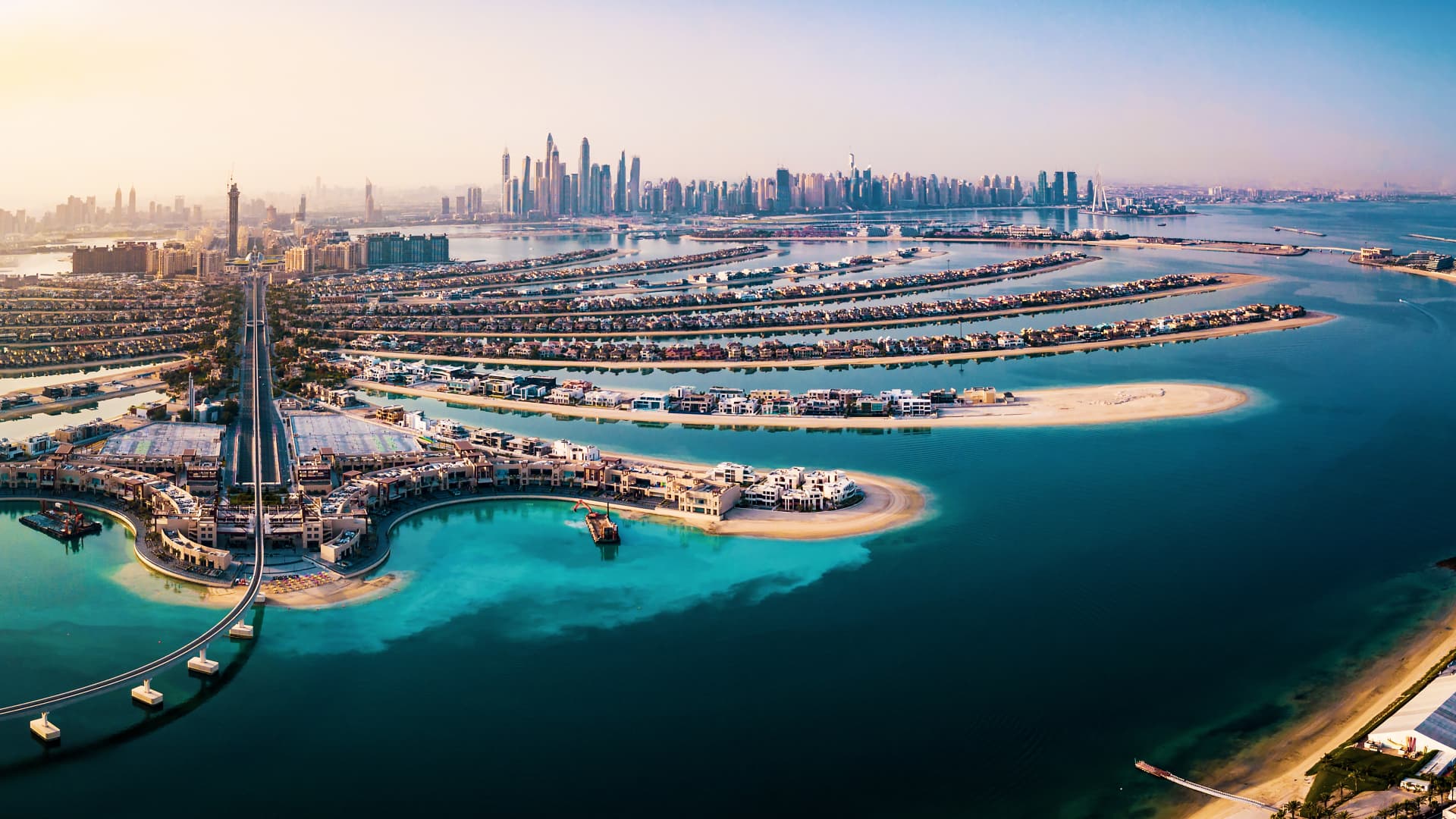
Dubai, while trailing behind its regional counterparts with a 27% increase, remains one of the top ten international travel destinations outside Asia. The Emirate has also seen a 133% rise in interest among affluent travelers opting for premium services. Despite its strong showing, Dubai faces challenges in attracting Chinese tourists who are increasingly seeking unique cultural experiences. A recent study indicated that travel demand is shifting towards Saudi Arabia, Egypt, New Zealand, Kazakhstan, and the UAE during this holiday period, as reported by Tongcheng Travel.
Industry experts attribute this surge to improved visa policies and the addition of direct flight routes, making the Middle East more accessible than ever before. “Pre-COVID, the UAE, particularly Dubai and Abu Dhabi, were incredibly popular due to their straightforward visa processes,” said Alexander Glos, CEO of China i2i Group. The ease of travel continues to be a significant driver for Chinese tourists, especially in the post-pandemic landscape.
Moreover, the UAE’s progressive enhancements to direct flight options have significantly contributed to this trend. Emirates Airline recently inaugurated new routes to cities in China, including Hangzhou and Shenzhen, indicating a strategic move to boost tourism from this burgeoning market. Peggy Li, CEO of SPS Affinity, highlights that these developments are not merely tourist-oriented but also commercially strategic.
Cultural diversity and experiential attractions in the Middle East are appealing to Chinese travelers, who seek authentic experiences that go beyond traditional sightseeing. While luxury offerings like private desert safaris remain popular, there’s a rising demand for educational trips and genuine cultural immersion. Glos suggests that visiting the Middle East is becoming a status symbol among Chinese adventurers, eager to document their travels on social media platforms like WeChat. The region’s rich culinary offerings, including Iranian, Afghan, and Lebanese cuisine, add to its allure.
However, Dubai faces pressing competition within the Gulf Cooperation Council, as many countries offer similar attractions. “If you want a desert safari, they all have it,” Li noted, emphasizing the need for destinations to differentiate themselves. While Abu Dhabi presents a more culturally authentic experience, featuring historical sites, Dubai is perceived as lacking local flavor, often filled with global fast-food chains. According to Glos, Chinese tourist numbers in Dubai have decreased by about 50% this year, contrasting sharply with Abu Dhabi’s growing appeal.
As luxury shopping in Dubai wanes due to economic pressures at home, the battle for the Middle East to capture a larger share of the Chinese travel market intensifies. With evolving preferences among Chinese travelers, the region must adapt to maintain its newfound momentum in international tourism. The race for attraction and differentiation is on, marking a pivotal moment for the Middle Eastern tourism landscape as it opens its doors wider to a rising demographic of adventurers.
Original Source: https://www.cnbc.com/2025/10/11/middle-east-gains-ground-with-chinese-tourists-during-golden-week-gcc-doha-dubai-abu-dhabi.html
Category :
Tags:
Publish Date: 2025-10-11 14:11:00