
World Patient Safety Day, observed annually on September 17, is a pivotal occasion for raising awareness and fostering collaboration around patient safety, as emphasized by the World Health Organization (WHO). This year’s focus highlights the significant risk posed by hospital-acquired infections (HAIs), also known as nosocomial infections. Understanding HAIs is crucial in combating this major public health issue.
HAIs refer to infections that patients acquire while receiving treatment in healthcare settings, including hospitals, clinics, and long-term care facilities. As defined by the WHO, these infections occur in patients admitted for other medical reasons, with onset typically after 48 hours of admission or within 30 days of a surgical procedure. Alarmingly, HAIs represent a substantial source of avoidable harm globally, affecting countless patients.
The types of HAIs are varied, with bacterial infections being the most prevalent. Common pathogens include gram-negative bacteria, such as Staphylococcus aureus and Escherichia coli, with Methicillin-resistant Staphylococcus aureus (MRSA) being a notable concern due to its multi-drug resistance. Clostridioides difficile is another frequent culprit, leading to severe gastrointestinal issues. Fungal infections, primarily from the Candida species, and less common viral infections like hepatitis and HIV also contribute to the HAI landscape.
Transmission of HAIs often occurs through respiratory droplets but can also happen via contaminated equipment, inadequate sterilization, and during invasive procedures. Certain risk factors exacerbate the likelihood of acquiring these infections, particularly the use of invasive devices like catheters and ventilators. According to the Centers for Disease Control and Prevention (CDC), HAIs manifest in forms such as Central line-associated bloodstream infections (CLABSI), catheter-associated urinary tract infections (CAUTI), surgical site infections (SSI), and ventilator-associated pneumonia.
The toll of HAIs on morbidity and mortality is significant. The WHO notes that approximately 7% of patients in high-income countries and 15% in low- and middle-income nations acquire at least one healthcare-associated infection during their hospital stay. Of those affected, about 10% may face fatal outcomes. Effective infection prevention and control strategies can reduce HAIs and antimicrobial resistance by 35% to 70%, providing substantial cost savings across healthcare systems, regardless of a country’s income level.
In India, a study published in The Lancet Global Health in 2022 shed light on the alarming rates of healthcare-associated bloodstream and urinary tract infections in a network of 26 tertiary hospitals. Researchers found high rates of infections, particularly in neonatal and pediatric ICUs, compounded by significant antibiotic resistance. The study highlighted systemic challenges, noting that the risk of acquiring HAIs is up to 20 times higher in low- and middle-income countries, where many facilities lack adequate infection control measures due to staffing shortages and overcrowding.
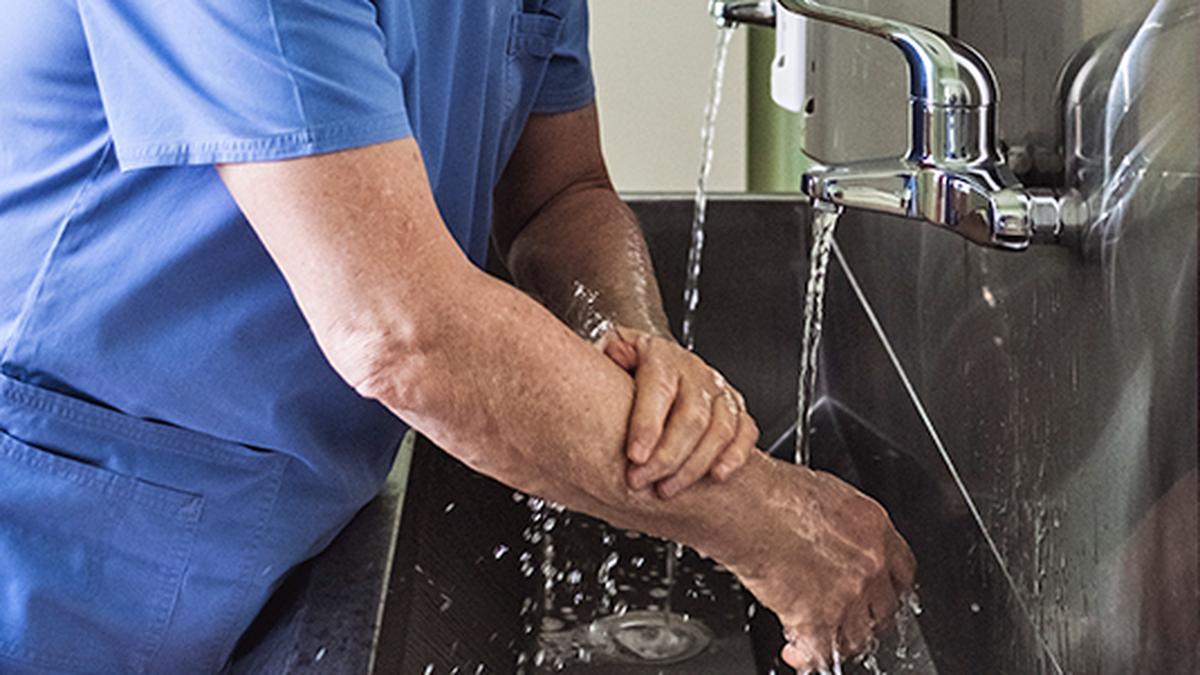
As World Patient Safety Day approaches, it is imperative for healthcare stakeholders to prioritize comprehensive infection prevention strategies. By strengthening protocols around hand hygiene, sterilization practices, and patient care, we can combat the rising threat of hospital-acquired infections and protect patient safety globally.
This article aims to amplify awareness about HAIs and prompt necessary actions within healthcare systems, ultimately fostering a safer environment for all patients.
Original Source: https://www.thehindu.com/sci-tech/health/all-you-need-to-know-about-hospital-acquired-infections/article70060524.ece
Category :
Tags:
Publish Date: 2025-09-20 16:29:00