Breakthrough Alert: New American Heart Association Guidelines Reveal Alarming Rise in Hypertension Among Americans!

Nearly half of American adults are grappling with hypertension, a condition characterized by high blood pressure that stands as the leading risk factor for heart disease and stroke. Alarmingly, only a quarter of those with hypertension have their condition under control. In response to this growing public health issue, the American Heart Association (AHA) and the American College of Cardiology (ACC) have recently released updated guidelines focused on the prevention and management of hypertension. These guidelines are informed by an extensive review of relevant literature published over the past decade.
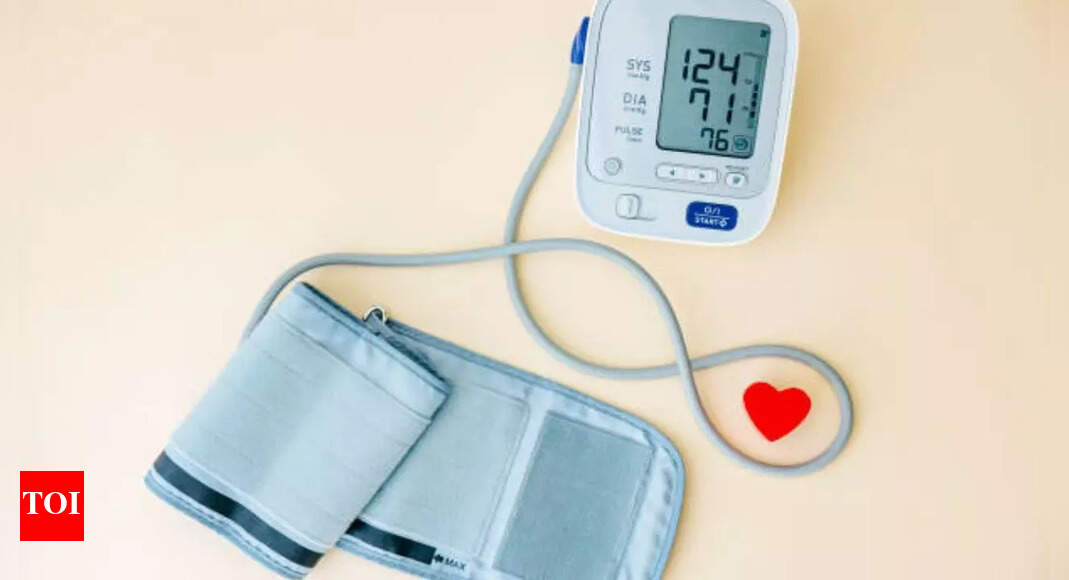
One of the most notable changes in the new guidelines is the redefinition of hypertension. The criteria have become stricter, with lower target blood pressures. The updated categories now specify that individuals with a systolic blood pressure between 120-129 mm Hg and a diastolic pressure below 80 mm Hg fall under “elevated blood pressure.” Stage 1 hypertension is defined as 130-139 mm Hg systolic or 80-89 mm Hg diastolic, while stage 2 hypertension starts at 140/90 mm Hg. A hypertensive crisis is marked by readings of 180/120 mm Hg or higher. Patients are encouraged to consult their healthcare providers regarding their blood pressure status and treatment plans, as well as modifications to lifestyle factors like diet, exercise, and sleep to help manage their blood pressure.
The guidelines emphasize the importance of using a risk calculator, known as PREVENT, which helps assess the overall risk of cardiovascular events. Available free online, this tool takes multiple factors into account, including demographics, cholesterol levels, medical history, and blood pressure readings.
Another crucial aspect of the guidelines is the recommendation to limit alcohol intake, as excessive consumption can lead to elevated blood pressure. Research published in 2023 indicates that for every 10g of alcohol consumed, systolic blood pressure increases by approximately 1 mm Hg. Therefore, men are urged to cap their intake at two drinks per day, while women should limit themselves to one drink.
Diet also plays a pivotal role in blood pressure management. The guidelines recommend that all adults, regardless of hypertension status, aim for a sodium intake of less than 2,300 mg per day, ideally restricting it to 1,500 mg. The Dietary Approaches to Stop Hypertension (DASH) diet is championed, which highlights the consumption of fruits, vegetables, low-fat or non-fat dairy, and whole grains.
Physical activity is another key element in managing hypertension. On average, every additional 30 minutes of aerobic exercise each week can reduce systolic blood pressure by about 2 mm Hg and diastolic pressure by 1 mm Hg.
In summary, the AHA has identified eight essential behaviors that are vital for controlling blood pressure and minimizing cardiovascular risks. These include adhering to a healthy diet, engaging in regular exercise, avoiding tobacco, getting an adequate amount of sleep (seven to nine hours), and effectively managing weight, cholesterol, and blood sugar levels. As hypertension affects an ever-growing segment of the American public, these new guidelines serve as a critical resource for proactive health management, addressing not only blood pressure but broader health concerns as well.
Original Source: https://timesofindia.indiatimes.com/life-style/health-fitness/health-news/american-heart-associations-new-guidelines-on-hypertension-now-more-americans-meet-the-criteria-for-hypertension/articleshow/124002791.cms
Category :
Tags:
Publish Date: 2025-09-19 22:47:00