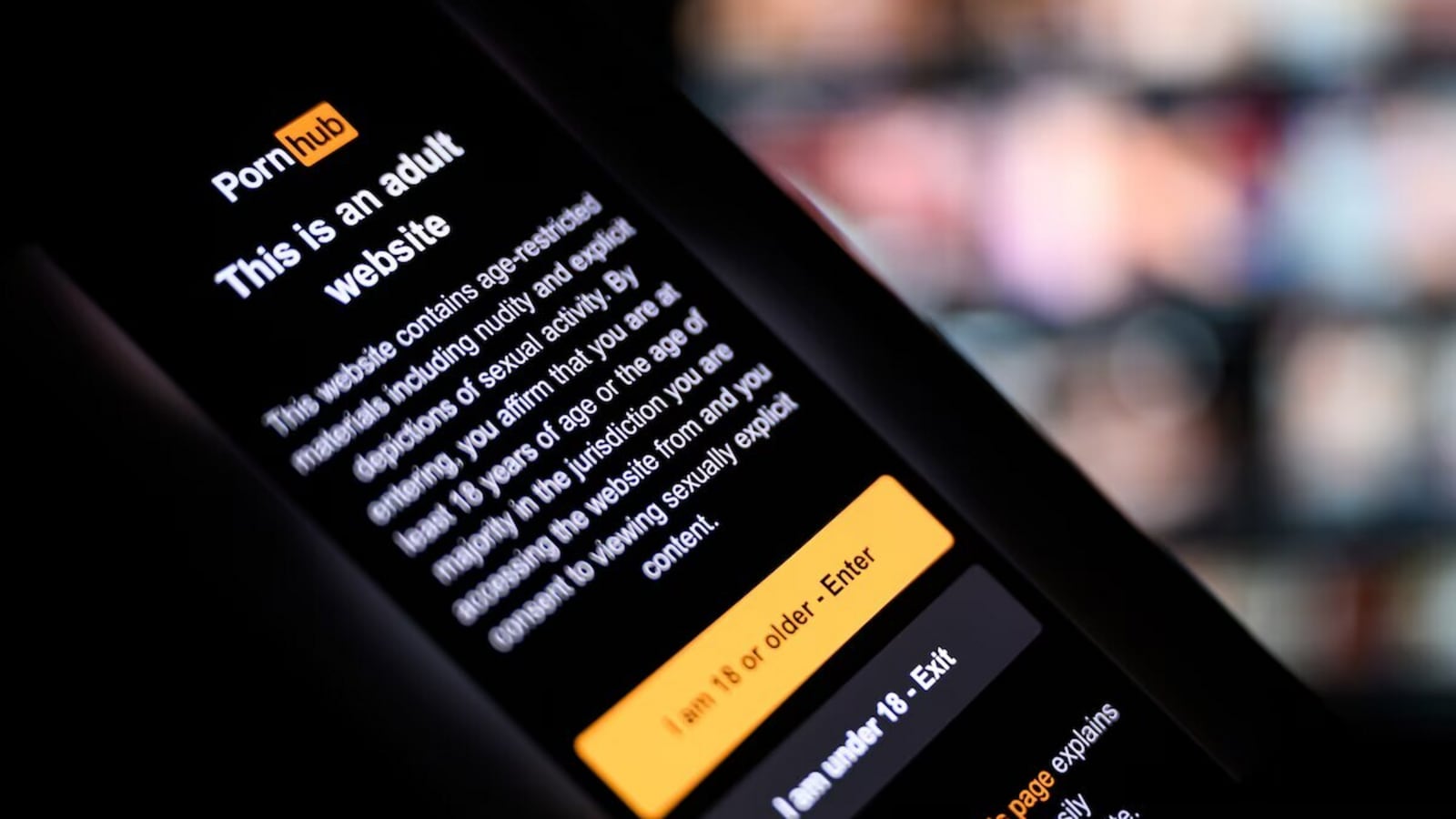
Unmasking Injustice: How Age Verification Laws Burden Compliant Adult Content Sites While Empowering Rule-Breakers

The United Kingdom’s recent age-verification law, designed to restrict access to adult websites by requiring government IDs or facial scans, has produced counterintuitive results that raise serious questions about its efficacy. Following the implementation of the Online Safety Act, many compliant adult sites reported drastic declines in traffic, while those that ignored the law experienced substantial increases in visitors. A Washington Post analysis indicates that some sites which flouted the regulations doubled or tripled their user bases in August compared to the previous year.
In the U.S., lawmakers are contemplating similar legislation aimed not only at adult content but also extending to social media and video platforms. U.S. Senator Mike Lee and other proponents argue that the technology could help protect minors from exploitative materials online. However, critics point out that these measures may unintentionally lead users into more dangerous online spaces, echoing concerns raised by experts like John Scott-Railton from the Citizen Lab at the University of Toronto.
Since 2022, 25 states in the U.S. have passed age-verification laws for adult websites, but many are currently facing legal challenges. Despite the push for such regulations, opponents, including civil liberties groups, warn that these laws pose significant privacy risks. They argue that requiring user identification from both adults and minors increases the likelihood of sensitive data being mishandled, as demonstrated by the Tea Dating Advice app breach, which exposed numerous personal images and information.
The financial implications of age-verification compliance are daunting, especially for smaller platforms. Companies are often forced to rely on private contractors like Yoti and Incode for verification checks. A judge in Indiana estimated that Pornhub could face costs surpassing $13 million per day if it complied, while Yoti has indicated charges can range between 10 and 25 cents per face scan. This burden is disproportionately heavy on smaller companies, making compliance increasingly challenging.
The law’s ramifications extend beyond adult content, as platforms like Spotify, X (formerly Twitter), Discord, and Reddit are now instituting age-checks that include facial recognition. Activists fear these measures could lead to widespread censorship, effectively isolating users from large sections of the internet. The technology itself raises concerns about accuracy, with misclassifications occurring frequently. One notable incident involved a 25-year-old woman with dwarfism being incorrectly flagged as a minor on TikTok.
Aliya Bhatia, a policy analyst at the Centre for Democracy and Technology, highlighted that the UK law is based on misguided assumptions about the simplicity of implementing effective age verification online and underestimates user concerns about privacy. The law’s enforcement has also inadvertently fueled the popularity of VPNs as users seek ways to bypass restrictions. Following a warning from Peter Kyle, a UK government official, about the use of VPNs, downloads of these applications surged, giving the industry a boost in visibility.
The UK’s age-verification experiment has not only drawn skepticism but also reinforced existing concerns about privacy, security, and user autonomy online. While the intent behind the legislation may have been to safeguard minors, its unintended consequences have revealed a complex landscape where compliance may lead to more harm than good, promoting alternative, potentially riskier online behaviors.
Original Source: https://www.livemint.com/news/world/age-verification-law-for-adult-content-hurting-sites-that-comply-helping-those-who-dont-report-11756707313882.html
Category :
Tags:
Publish Date: 2025-09-01 13:36:00