Unraveling the Powerful Legacy: The Emotional Evolution of Japanese Ties in Chennai | Celebrate Madras Day 2025!

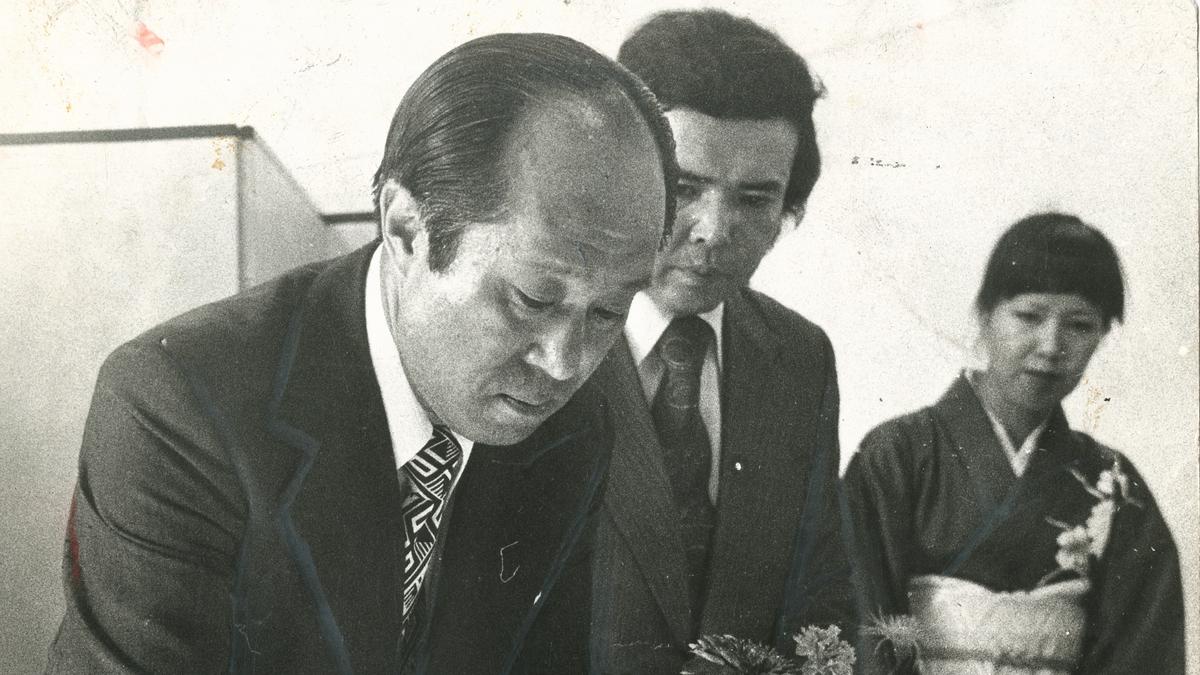
In 1974, Chennai became home to ABK-AOTS Dosokai, a non-governmental organization focused on promoting the Japanese language and cultural awareness. This establishment marked a significant shift in the city’s relationship with Japan, historically colored by the tumultuous events of World War II. The war severed a vital link between Chennai and Burma, now Myanmar. The Japanese occupation forced thousands of Indians to flee, ending the Nagarathar trade with Burma and giving rise to new refugee communities in Chennai. Additionally, 1943 saw an air raid by Japanese forces, which, although causing no damage, fueled existing fears and led to the notable Evacuation of Madras. This rocky start set the stage for a complex relationship, but many in Chennai sympathized with Netaji Subhas Bose and his Indian National Army, which collaborated with Japan.
Fast forward to the 1960s, when Japan opened a Consulate in Chennai, fostering an increasing awareness of Japanese goods, from handicrafts to electronics. By the 1970s, a newfound respect for Japanese quality emerged. The arrival of Maruti in collaboration with Suzuki marked a turning point, leading local auto component manufacturers to seek elevation in quality standards. This prompted a wave of discussions around lean manufacturing, ISO 9000 certifications, and Total Quality Management. Japanese consultants flooded into Chennai, speaking only Japanese and often challenging existing local practices. Instead of resisting these changes, Chennai’s businesses embraced the push for improved quality.
Chennai’s commitment to quality was nationally recognized when Sundram Fasteners became the first Indian company to achieve ISO 9000 certification in December 1990. By the mid-1990s, terms like Total Quality Management and the prestigious Deming Prize became cornerstones of the local business lexicon. In 1998, Sundaram Clayton Limited made history by being the first Indian company to earn the Deming Prize, with other firms like Sundram Fasteners and the Rane Group soon following suit.
In a lesser-known initiative, K. Mahesh of Sundaram Brake Linings worked through the Automotive Component Manufacturers Association to help smaller firms improve their processes with the help of Japanese consultants. As India started to liberalize its economy, Chennai’s companies were well-prepared for global competition, bolstered by their Japanese quality initiatives. Interestingly, while local companies adapted, the Japanese consultants largely remained unversed in English or Tamil.
In 1995, as Sundram Fasteners embarked on qualifying for Total Productive Maintenance (TPM), Managing Director Suresh Krishna jokingly wagered with consultant Yamaguchi that if his company succeeded, he would deliver his acceptance speech in Japanese, and Yamaguchi would respond in Tamil. After attending Japanese classes at ABK-AOTS Dosokai, Krishna fulfilled his side of the bet in 1998, while Yamaguchi never learned Tamil.
Since then, the Japanese presence in and around Chennai has flourished, with a thriving enclave of Japanese businesses in Tada, Andhra Pradesh. Local residents are now conversant in sushi and sake, marking a significant cultural exchange. Chennai’s journey reflects a remarkable evolution from initial wartime hostilities to robust economic and cultural ties with Japan, enriching the city’s identity and global footprint. This collaboration continues to bear fruit, enhancing both local industry and cultural diversity in Chennai.
Original Source: https://www.thehindu.com/news/cities/chennai/madras-day-2025-evolution-of-the-japanese-connection-in-chennai/article69916733.ece
Category : Chennai
Tags:
Publish Date: 2025-08-22 08:20:00