Unlocking Justice: 5 Powerful Insights on Jan Vishwas 2.0 Decriminalisation Bill Set for Lok Sabha Vote!

The Indian government is poised to introduce the Jan Vishwas 2.0 bill in the Lok Sabha on Monday, August 18, 2025. This significant legislation seeks to amend multiple laws and implement a new decriminalization framework by replacing penalties with an “improvement notice” for first-time offenders. The news was reported by the Indian Express on Saturday, August 16, 2025. Earlier this week, the Union Cabinet approved the bill, aiming to foster a trust-based governance model that enhances the ease of doing business.
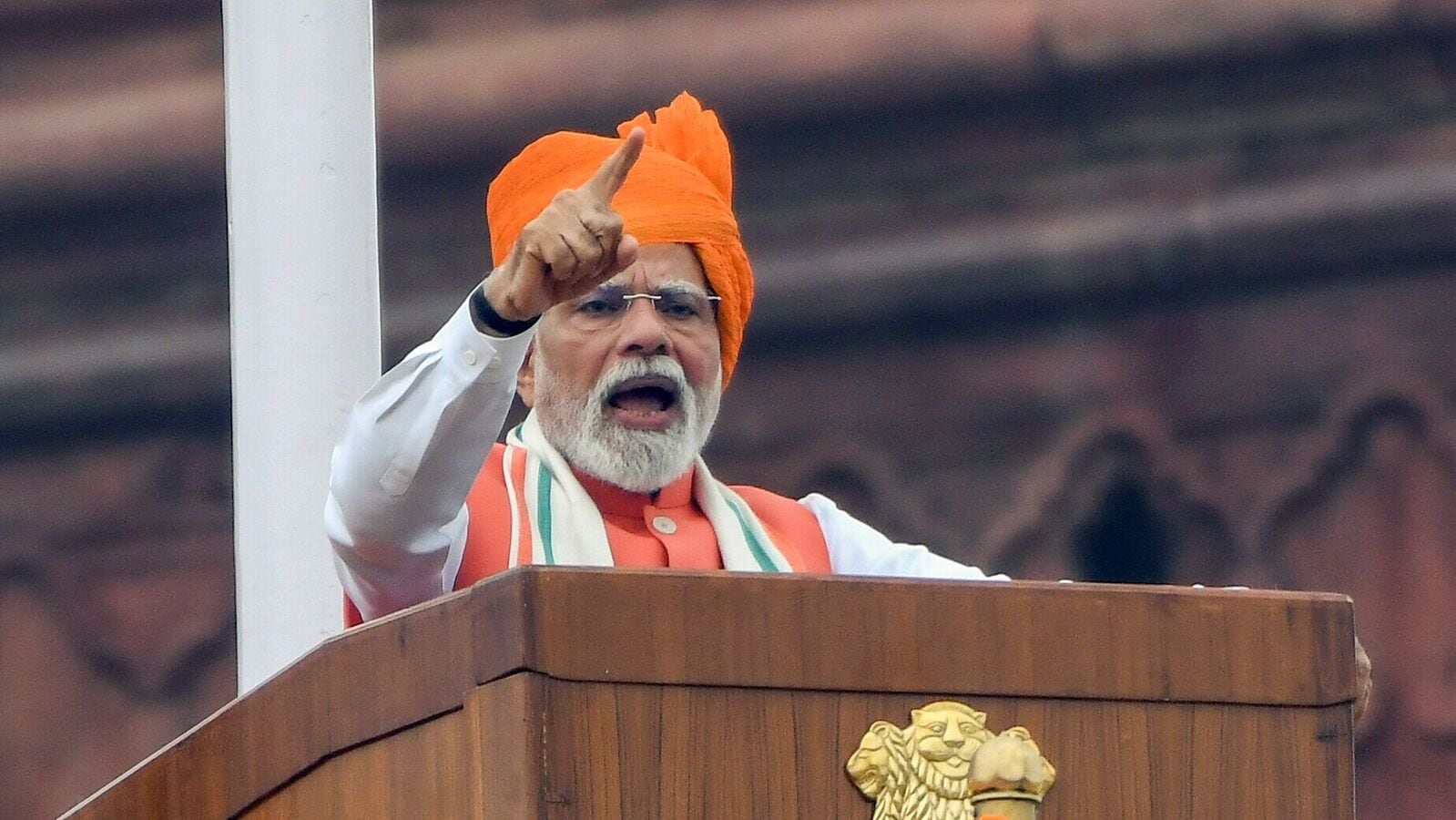
In his 79th Independence Day address, Prime Minister Narendra Modi highlighted the urgency of addressing outdated laws that can lead to incarceration for relatively minor offenses. “In our country, there are such laws that can put people in jail for very small things-you would be shocked. I have been pursuing this, as these unnecessary laws should be abolished. We had introduced a Bill in Parliament earlier, and we are bringing it back this time,” Modi stated.
One of the core features of the Jan Vishwas 2.0 bill is the introduction of the “improvement notice,” which would serve as a warning for first-time offenders instead of imposing immediate penalties. This was outlined in the 2025 Budget announcement by Union Finance Minister Nirmala Sitharaman, who noted that the government plans to decriminalize over 180 legal provisions through this new legislation.
Under Jan Vishwas 1.0, enacted in 2023, more than 180 legal provisions were already decriminalized. Sitharaman stated, “Our government will now bring the Jan Vishwas Bill 2.0 to decriminalize more than 100 provisions in various laws.”
The new bill marks a notable shift in the government’s approach to enforcement from a “penalize on first detection” strategy to an “inform–correct–penalize” framework. This evolution seeks to promote an environment of trust while ensuring that deterrents remain in place for repeat offenders. A source familiar with the bill explained that this change is designed to foster smoother business operations while encouraging compliance.
Notably, the proposed legislation stipulates that first-time offenders will not face any penalties but will instead have the opportunity to rectify their non-compliance within a designated timeframe. This leniency aims to facilitate compliance rather than punish individuals for minor infractions.
Subsequent violations, however, will incur increasing penalties beginning with the second offense. The penalties will mirror the fines established under Jan Vishwas 1.0 but will escalate with repeated offenses, capped according to the specific legal provisions involved.
The Jan Vishwas Act 2023 had already made significant strides in decriminalizing offenses across various legal frameworks. For instance, it abolished the penalty under Section 41 of the Food Corporations Act, 1964, which prescribed imprisonment for up to six months or a fine for unauthorized use of FCI’s name. Similarly, it removed the prison sentence for tree felling or damage caused by cattle in protected forests while retaining a fine of ₹500.
As the government plans to present the Jan Vishwas 2.0 bill, it is clear that this initiative aims to remove unnecessary legal hurdles and promote a more business-friendly regulatory environment, aligning with the broader goals of economic reform. The bill will be a critical step in reshaping India’s legal landscape and enhancing its position in the global business arena.
Original Source: https://www.livemint.com/news/india/jan-vishwas-2-0-centre-set-to-table-decriminalisation-bill-in-lok-sabha-here-are-five-things-to-look-out-for-11755360744745.html
Category :
Tags:
Publish Date: 2025-08-16 23:15:00