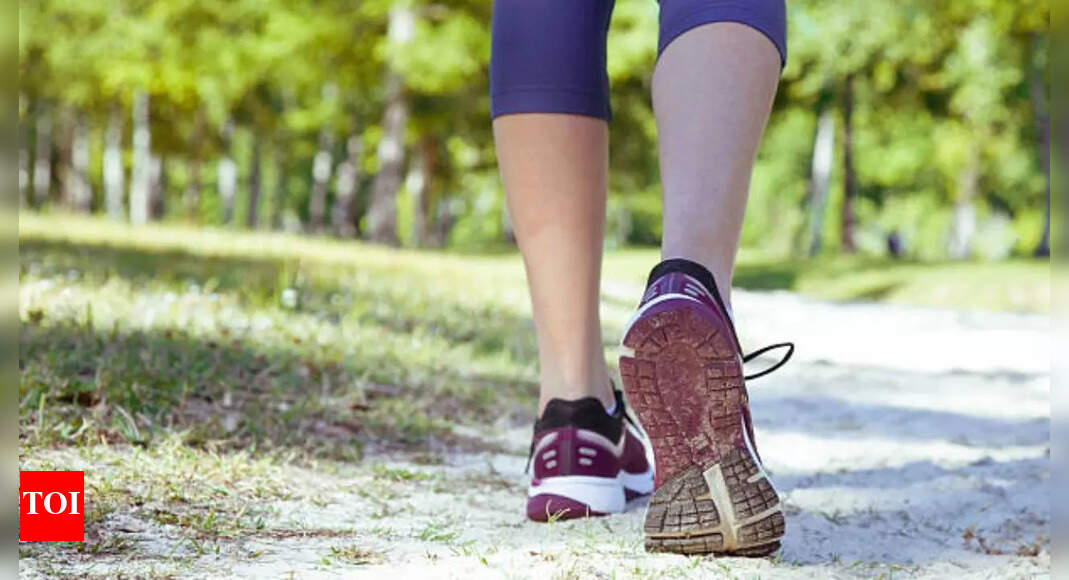

Knee osteoarthritis occurs when the cartilage within the knee joint deteriorates, resulting in the bones rubbing together. This friction leads to pain and swelling, affecting millions. The Osteoarthritis Action Alliance reports that this is the most prevalent type of arthritis, impacting 32.5 million adults in the United States. Recently, a study published in The Lancet Rheumatology on August 12 revealed that making slight adjustments to one’s walking style can significantly alleviate knee osteoarthritis pain. Participants who were trained to angle their feet either slightly inward or outward from their natural alignment demonstrated a reduced rate of cartilage degeneration and reported noticeable decreases in pain and improved knee function after a year.
Valentina Mazzoli, co-lead researcher and assistant professor of radiology at NYU Grossman School of Medicine, emphasized that helping patients discover the optimal foot position may present a simple and cost-effective method for managing early-stage osteoarthritis. In the study, 68 individuals suffering from knee osteoarthritis were recruited, and their walking patterns were recorded on a treadmill. A computer program analyzed the maximum stress exerted on their knees during walking.
Researchers also created computer models of four foot positions tilted inward or outward by 5 to 10 degrees, identifying the most beneficial angles for minimizing knee stress. The participants were split into two groups: one that received training over six sessions to walk with a personalized foot angle, and another that continued with their usual gait. The results indicated that those who adjusted their walking style reduced the maximum load on their knees by 4%, whereas those who maintained their normal walking increased the load by 3%. Moreover, participants who learned the new foot position reported a 2.5-point decrease on a 10-point pain scale, comparable to over-the-counter pain relief medications like NSAIDs and acetaminophen.
Mazzoli further highlighted the significance of personalized treatment approaches rather than applying a uniform strategy to osteoarthritis management. While this may seem daunting, advancements in artificial intelligence that track body movements may soon make such personalization quicker and more efficient.
Original Source: https://timesofindia.indiatimes.com/life-style/health-fitness/health-news/study-reveals-how-a-small-change-in-your-walking-style-can-relieve-knee-osteoarthritis/articleshow/123286743.cms
Category:
Tags:
Publish Date: 2025-08-14 06:00:00