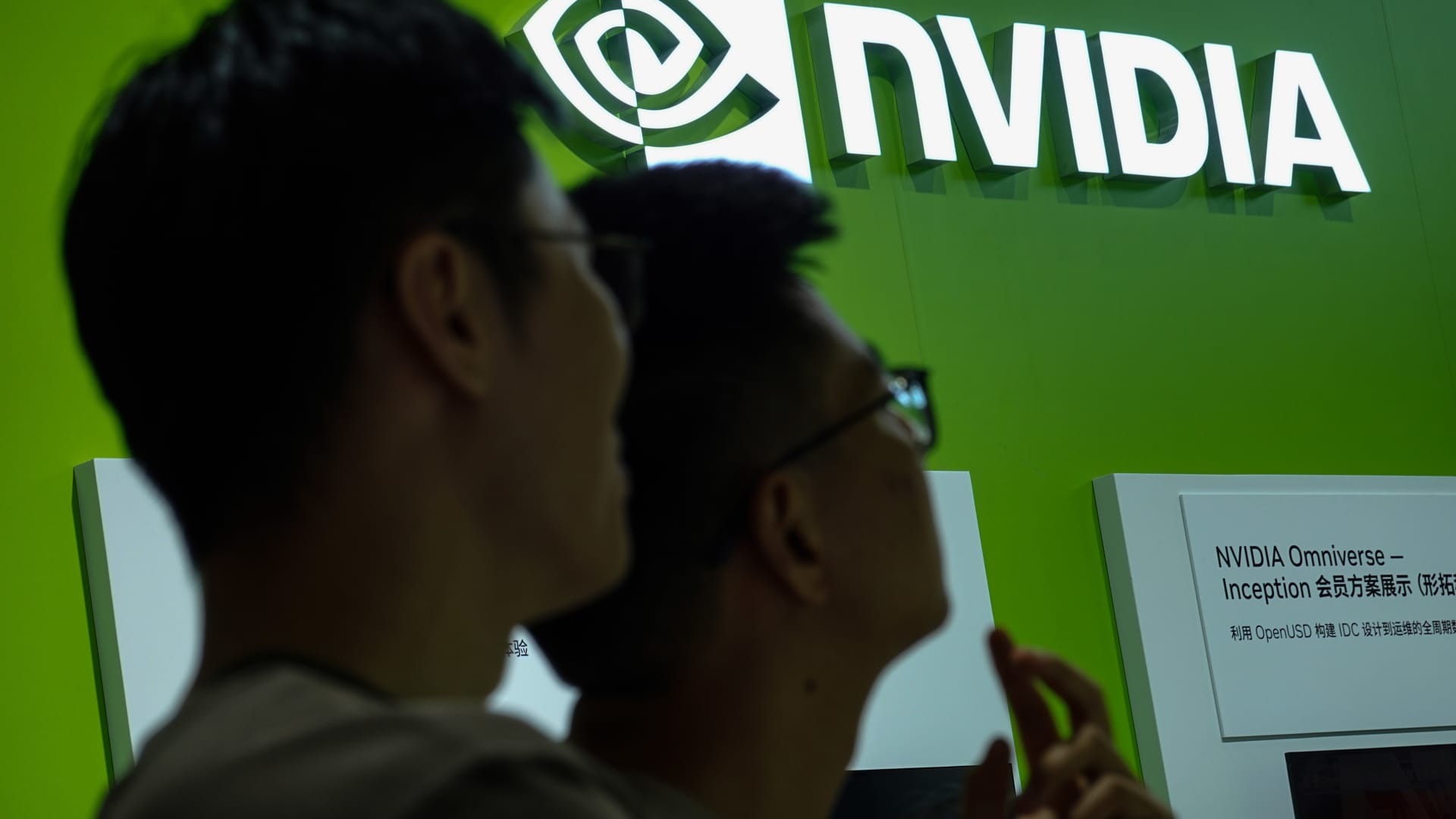

Visitors to the NVIDIA booth at the 3rd China International Supply Chain Expo in Beijing on July 20, 2025, may be unaware of the escalating scrutiny surrounding the company’s H20 chips. A social media channel linked to China’s state media recently expressed significant security concerns regarding these chips, citing potential backdoor access that could compromise user data. The account, Yuyuan Tantian, affiliated with state broadcaster CCTV, raised alarms in an article posted on WeChat, questioning the technological sophistication and environmental impacts of NVIDIA’s products.
Yuyuan Tantian stated, “When a type of chip is neither environmentally friendly, nor advanced, nor safe, as consumers, we certainly have the option not to buy it.” This statement underscores a growing sentiment among Chinese consumers regarding the trustworthiness of foreign technology, especially amidst an environment of heightened geopolitical tensions.
The H20 artificial intelligence chips were specifically tailored for the Chinese market after the U.S. tightened export restrictions on advanced AI technology in late 2023. Initially banned in April under the administration of President Donald Trump due to escalating trade conflicts, the ban was reversed in July. Yet, the shadow of scrutiny remains. China’s cyberspace watchdog summoned NVIDIA for a meeting on July 31, demanding clarity about whether the H20 chips harbor backdoor security vulnerabilities-essentially hidden pathways that could allow unauthorized access to user data.
NVIDIA immediately refuted these claims, asserting that its chips contain no backdoors that would facilitate remote access or control. However, Yuyuan Tantian’s article raises the stakes further, alleging that NVIDIA’s chips could enable functions like “remote shutdown” through a hardware backdoor, amplifying fears among consumers and industry watchers alike.
This scrutiny from state media echoes earlier criticism from another Chinese state outlet, People’s Daily. Earlier this month, the publication urged NVIDIA to provide “convincing security proofs” to mitigate concerns among Chinese users and restore confidence in its products. The heightened anxieties surrounding technology from foreign firms reflect a broader trend in China, where national security considerations increasingly intersect with consumer technology choices.
As the landscape of AI technology evolves, the stakes are high for companies like NVIDIA. The ability to reassure consumers about the security and reliability of their products while navigating complex geopolitical landscapes will be paramount. The next steps for NVIDIA, along with how they choose to engage with the tone of the narrative in Chinese state media, could significantly influence their standing in this vital market. As the situation develops, industry insiders and consumers alike will be closely monitoring NVIDIA’s actions to see if they can turn the tide of skepticism into renewed trust.
In summary, the scrutiny surrounding NVIDIA’s H20 chips exemplifies the intersection of technology and geopolitics, requiring firms operating in China to adeptly manage public perception while ensuring compliance with local regulations and addressing security concerns.
Original Source: https://www.cnbc.com/2025/08/10/chinese-state-media-says-nvidia-h20-chips-not-safe-for-china.html
Category :
Tags:
Publish Date: 2025-08-10 11:50:00