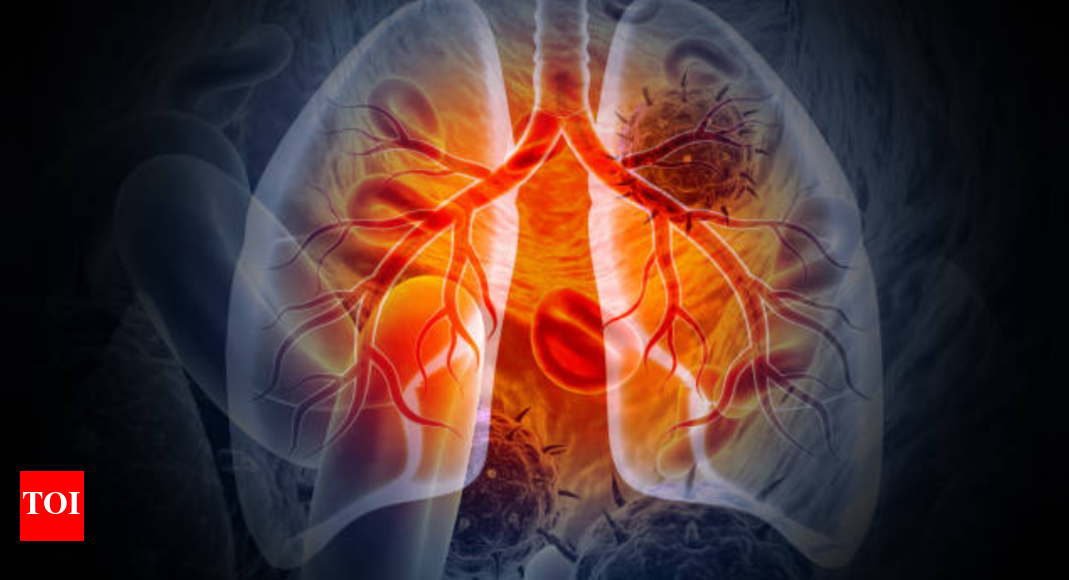

Lung cancer remains a global health crisis, ranking as one of the leading causes of cancer mortality worldwide. It accounts for approximately 20% of all cancer-related deaths, with over 2 million new cases diagnosed each year. Disturbingly, the data illustrates that lung cancer is not limited to smokers; recent studies from countries like India and the United States indicate that up to 25% of lung cancer cases occur in individuals who have never smoked. This emerging data highlights the risks associated with environmental factors such as air pollution, secondhand smoke, radon gas, and occupational exposures.
August 1 marks a significant occasion for lung cancer awareness: World Lung Cancer Day. This event serves as a crucial reminder to educate the public about the realities of lung cancer, mitigate stigma, and advocate for the importance of early detection. The theme for 2025, “Breaking Barriers: Championing Early Detection and Equal Care,” emphasizes the urgency of providing equitable healthcare access, regardless of a person’s geographic or financial circumstances. The day aims to unite patients, caregivers, and medical professionals, all committed to improving outcomes for those affected by this disease.
Dr. Raman Narang, a Senior Consultant and Medical Oncologist at Andromeda Cancer Hospital in Sonipat, emphasizes the predominant risk factor for lung cancer: tobacco use, responsible for nearly 85% of cases. The likelihood of developing lung cancer increases with the duration and intensity of smoking, and even exposure to cigars and pipes poses risks. Secondhand smoke is a particular concern, especially for children and spouses of smokers, as chronic inhalation can severely compromise lung health over time.
Emerging environmental risk factors are also becoming more pronounced. Urban areas, with high traffic and industrial emissions, show a marked increase in lung cancer cases linked to air pollution. Particulate matter, specifically PM2.5, has harmful effects on lung tissue, raising concerns for residents in polluted metropolitan regions. Additionally, radon gas-a colorless, odorless radioactive substance that can infiltrate homes-poses an invisible threat to both smokers and non-smokers alike.
Occupational hazards further contribute to lung cancer risk, particularly in industries like construction, mining, and shipbuilding, where workers are routinely exposed to carcinogenic substances such as asbestos and diesel exhaust. Genetic predisposition also plays a role, particularly in families with a history of lung cancer, and individuals with prior lung conditions like COPD or pulmonary fibrosis face an elevated risk. Past radiation treatment to the chest area for other cancers can inadvertently increase a person’s likelihood of developing lung cancer over time.
World Lung Cancer Day transcends mere statistics; it embodies a message of hope and action. Anyone with lungs is at risk, and the emphasis on early detection and public awareness is vital. On this day, we are reminded to deepen our understanding, break down barriers, and foster a supportive community for those affected by lung cancer. Awareness and action can save lives, and together, we can make a profound difference in the fight against this pervasive disease.
Original Source: https://timesofindia.indiatimes.com/life-style/health-fitness/health-news/world-lung-cancer-day-is-more-than-a-date-its-about-awareness-and-action/articleshow/123023494.cms
Category :
Tags:
Publish Date: 2025-08-01 06:30:00