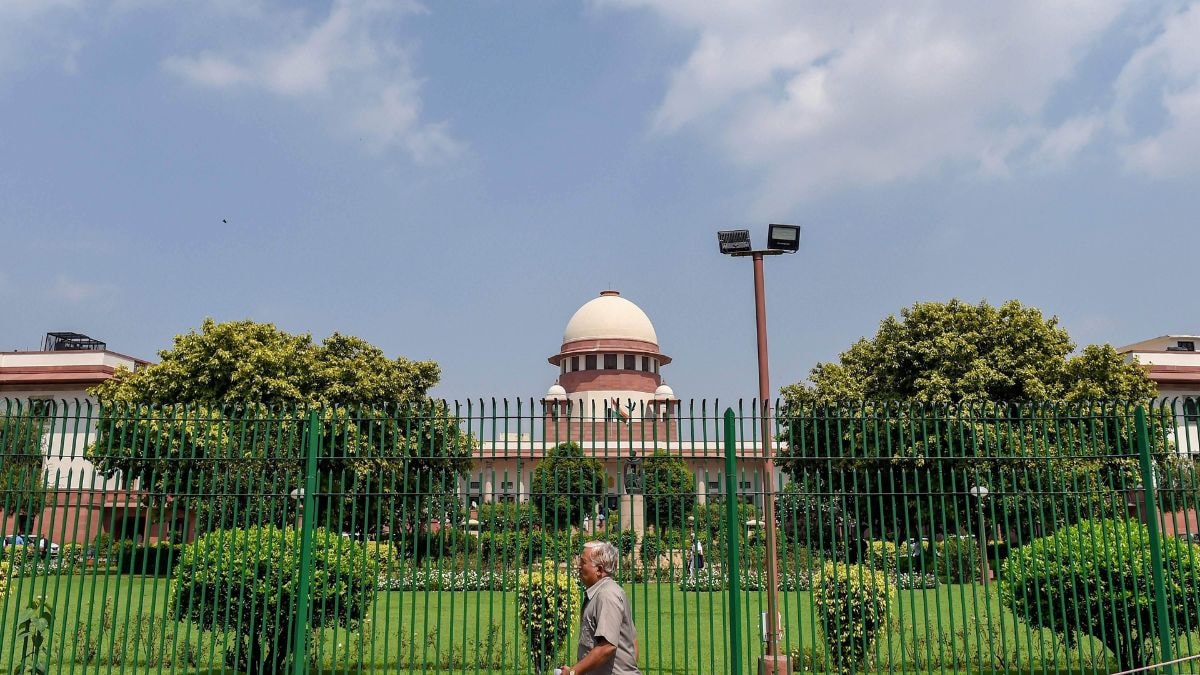

In a significant move to address the rising concern of student suicides in India, the Supreme Court has issued a set of 15 comprehensive guidelines aimed at educational institutions, which include schools, colleges, coaching centers, universities, and hostels. The court underscored that academic stress, intense exam pressure, and insufficient institutional support are major factors leading to these tragic outcomes among students.
These guidelines mandate crucial measures, such as the implementation of mandatory mental health counseling, effective grievance redressal systems, and stringent regulatory oversight across all educational environments. The court has directed that dedicated mentors or counselors be assigned to smaller groups of students, particularly during critical examination periods and transitions in their academic journey, to provide reliable, informal, and confidential support.
Moreover, all educational staff, both teaching and non-teaching, are required to undergo mental health training at least twice a year, facilitated by certified professionals. This training will cover a range of topics, including psychological first aid, recognizing signs of distress, responding to self-harming behaviors, and the referral process. Additionally, institutions must ensure that staff interact sensitively with students from marginalized communities, promoting inclusivity and a non-discriminatory approach.
The court has also mandated the establishment of internal committees to address complaints related to sexual harassment, ragging, and other grievances, while offering psycho-social support for affected individuals. Institutions are tasked with integrating mental health literacy, emotional regulation, and essential life skills into student activities. Furthermore, they should conduct parental sensitization programs and maintain anonymized wellness records for students.
Emphasizing the need for transparency, the court requires that suicide helpline numbers, including resources like Tele-MANAS, be prominently displayed in hostels, classrooms, and other common areas, ensuring that the information is presented clearly and accessibly.
These directives are based on alarming statistics from the National Crime Records Bureau (NCRB), which reported 13,044 student suicides in 2022 out of a total of 170,924 suicides in the country, with 2,248 linked to exam failure. This represents a striking increase from 5,425 student suicides in 2001, highlighting that students now account for approximately 8% of all suicides. The court noted these figures as indicative of systemic failures necessitating immediate intervention.
Justices Vikram Nath and Sandeep Mehta, part of the bench addressing this issue, emphasized the urgent need for institutional safeguards to protect students from psychological distress caused by academic pressures and lack of support. By invoking Article 32 of the Constitution, the court established these guidelines, granting them legal authority under Article 141 until relevant legislation is enacted by Parliament or state assemblies. The guidelines will align with ongoing efforts by a national task force on student mental health, led by retired Supreme Court judge Justice Ravindra S. Bhat.
If you or someone you know needs assistance for mental well-being, please seek help from professionals or contact a suicide prevention hotline through the available resources.
Original Source: https://www.firstpost.com/india/amid-rising-student-suicides-in-india-sc-issues-15-guidelines-for-educational-institutions-13913218.html
Category: India
Tags:
Publish Date: 2025-07-26 14:27:00