Unleashing Potential: India’s Game-Changing GCC Revolution in Building a Future-Ready Workforce

Bengaluru’s global capability centers (GCCs) are experiencing a transformative shift, evolving from mere back-office support to hubs of innovation. With nearly 2,000 GCCs in India employing around 1.9 million people in FY24-a notable increase from 1.66 million in FY23-these centers are now pivotal in spearheading artificial intelligence initiatives for their parent organizations. This sector is also generating significant revenue, amounting to approximately $24.6 billion, reflecting a 40% year-on-year growth. Analysts predict that the market could reach a staggering $100-110 billion by 2030, with workforce projections soaring to 2.5-2.8 million.
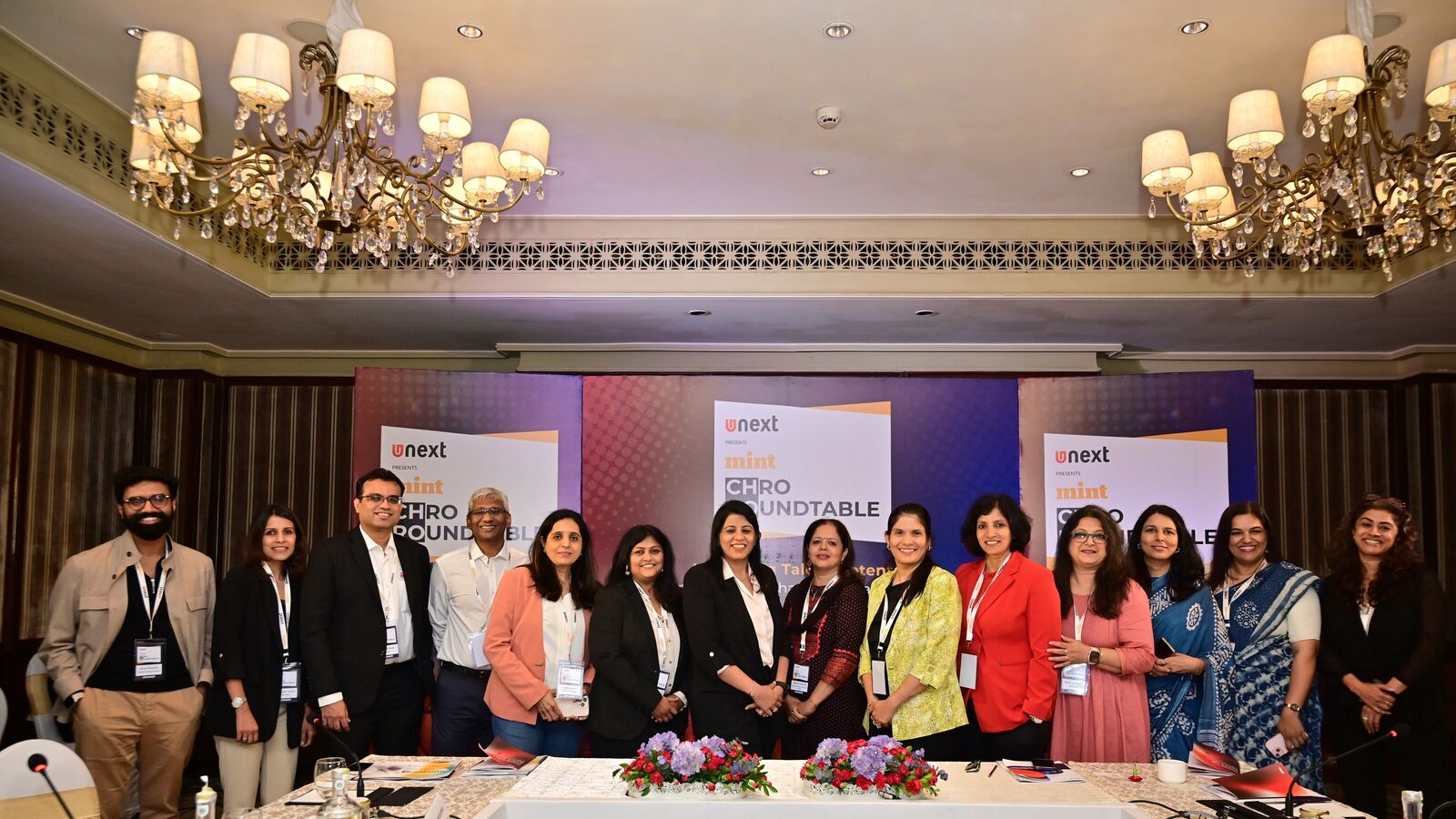
To effectively manage this burgeoning talent pool, HR departments must adapt to the complexities of retaining high-caliber employees amid stiff competition. A recent roundtable, “Unlocking Talent Potential: How HR Innovation is Shaping India’s GCC Revolution,” hosted by Mint in partnership with UNext, brought together industry experts to explore these pressing challenges. Aatash Shah, Senior Vice President and Business Head at UNext Learning, emphasized that HR is now a driving force behind business strategies, focusing on unlocking the full potential of talent across global locations.
In a market where GCCs and traditional IT companies tap into the same talent reservoir, innovative strategies for recruitment and retention are critical. According to Seetha Rani K.P., Head of HR at Philips Innovation Campus, today’s employees seek more than just financial incentives; they crave purpose and a meaningful connection to their work. Philips’ mission to improve 2.5 billion lives through healthcare innovations illustrates how companies can create a compelling environment for talent.
Complex interview processes are becoming a means of drawing in top talent. Mino Thomas, Senior Director of Talent at Adobe Systems India, noted that greater challenges attract higher-quality candidates, aligning with the need for stronger employee engagement within organizations. As GCCs increasingly tailor their approaches, Neha Ahluwalia, Chief Human Resources Director for Hitachi Energy in India and South Asia, highlighted the importance of reflecting the parent organization’s values while considering individual motivations ranging from career advancement to family stability.
Creating transparency around career paths and work design is crucial for long-term retention, as various organizations-from IT services to startups-occupy unique positions in the job market. Priyanka Gupta, Partner at EY India, remarked that distinct policies and processes create valuable differentiation in retaining talent, even amid market volatility.
Investing in role-based training and offering clear mobility options, including job rotations, is also vital, particularly at large organizations. Vidya Gothe, Director of Learning and Development at DXC Technology, mentioned that a robust focus on training is necessary to build internal talent in an age dominated by AI. Many companies are now implementing internal gig programs, allowing employees to temporarily work across different teams to expand their skill sets.
As the workforce becomes more multigenerational, HR policies are evolving to meet diverse needs. Kavita Mehra, Senior Director at Dell Technologies, shared insights into unexpected demands, such as pet insurance, which reflect changing priorities among younger employees. In this context, the emerging skill of ‘prompt engineering’ signifies the necessity for adaptability in workforce training.
Experts also highlighted the importance of bridging the skills gap between academic training and job market demands. Shah pointed out that many organizations act as a crucial intermediary, equipping candidates with the specific skills needed for success. As GCC revenues continue to soar, HR’s strategic role is becoming increasingly essential, demanding a shift from facilitation to core business contributions.
In conclusion, as India’s GCCs navigate this return revolution, their focus on talent acquisition, retention, and continuous skill development is paramount for future success. With an eye towards the talent pool of tomorrow, organizations are investing in skill-building initiatives that will empower their workforce and drive innovation across the industry.
Original Source: https://www.livemint.com/news/indias-gcc-revolution-a-close-look-at-hiring-and-retaining-a-future-ready-workforce-11751462655166.html
Category :
Tags:
Publish Date: 2025-07-08 06:00:00