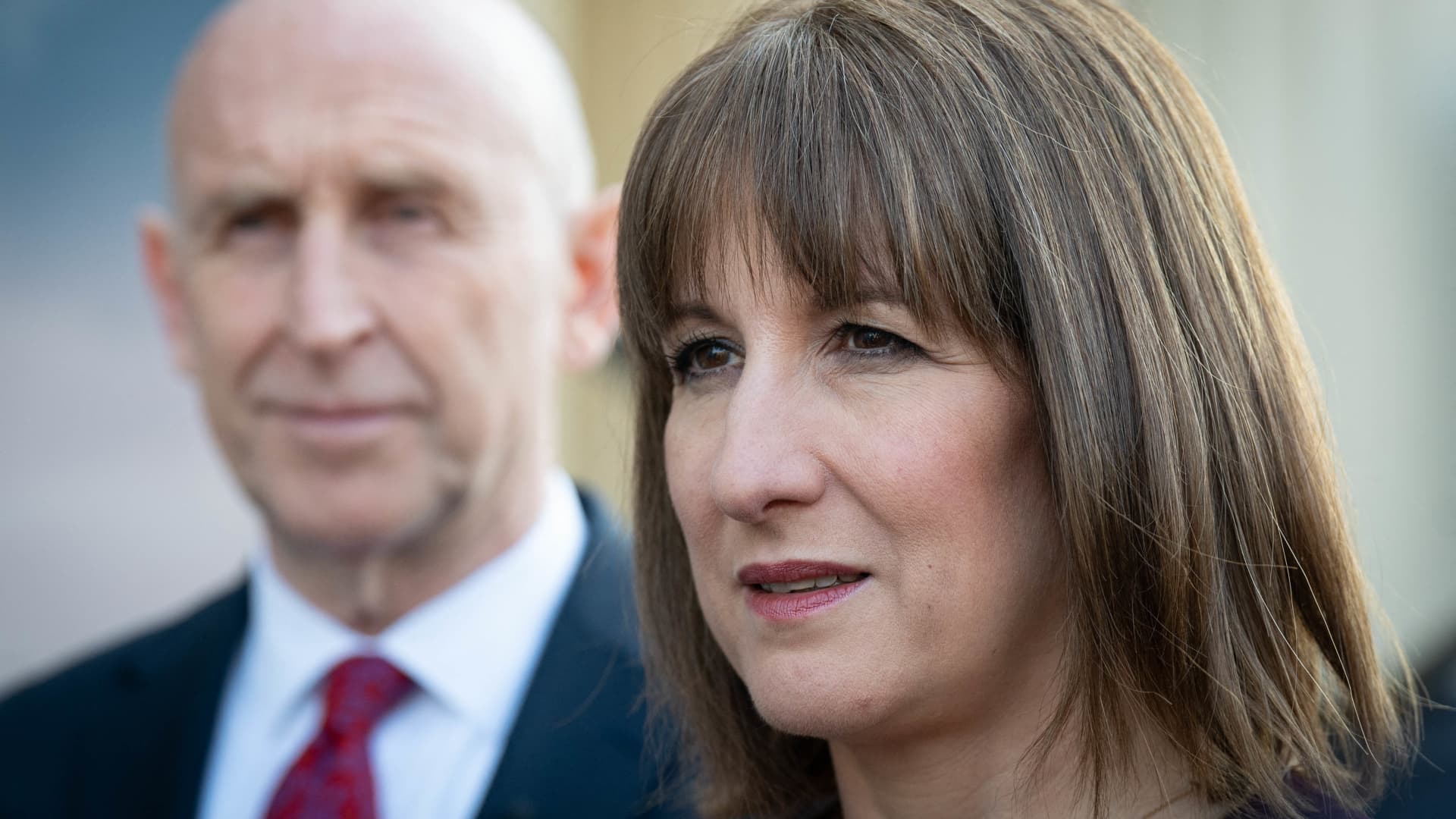

Britain’s political landscape stands on shaky ground following an emotional moment in the House of Commons when Chancellor of the Exchequer Rachel Reeves was seen visibly distressed during a parliamentary session. The incident has sparked intense scrutiny of the ruling Labour Party as traders reacted sharply, causing a spike in U.K. bond yields and a decline in the value of the pound against the dollar and euro.
During questions posed to Prime Minister Keir Starmer, he notably failed to offer public support to Reeves, who, as tears streamed down her face, appeared to be grappling with overwhelming pressure from her role. Market analysts interpreted this lack of backing as a sign that Reeves might be on the verge of losing her position, which could jeopardize her established fiscal framework focused on spending and borrowing.
Simon Pittaway, a senior economist at the Resolution Foundation, emphasized the importance of maintaining fiscal discipline, stating, “With the next Autumn Budget looming, whoever the Chancellor is will face tough choices. Adhering to current fiscal rules will be critical to restoring market confidence.” As the situation unfolded, the government attempted to mitigate growing concerns by labeling Reeves’s emotional moment as stemming from a “personal matter,” while Starmer assured the public that he was “in lockstep” with the Chancellor. His statement seemed to stabilize markets somewhat, as the FTSE 100 index rose nearly 0.5% and the pound regained strength against both the euro and dollar.
Reeves has faced escalating challenges since the last Autumn Budget, where she unveiled plans for substantial public spending primarily funded through increased taxes on corporations and employers. She outlined two key fiscal rules: daily government operations funded by tax revenues rather than borrowing and a commitment to reducing public debt’s share of economic output by 2029-2030. However, recent adjustments in welfare policies have diminished her Treasury’s fiscal flexibility, making it increasingly difficult to balance spending and debt requirements.
Following another policy reversal regarding disability benefits, Reeves is now tasked with identifying cost savings while adhering to her recently announced public spending increases. This precarious balancing act places her at risk of violating her own fiscal rules or breaching Labour’s campaign promises by raising taxes on workers later this year.
In light of these developments, the Labour Party leadership faces an emboldened group of backbench lawmakers eager to challenge government priorities and reforms. Crisis management expert Max Wilson from Whitehouse Communications characterized the situation as dire, noting that the government has “very little wiggle room” due to previous decisions. He expressed concern that Reeves’s ambitious proposals lack support, complicating matters further.
As the dust settles, the Labour Party finds itself entangled in a web of political and economic uncertainty, forcing Reeves into a precarious position where the need for financial solutions is more urgent than ever. With essential strategies hanging in the balance, all eyes will remain on Westminster as the government navigates this tumultuous period and its implications for the country’s economic future.
Original Source: https://www.cnbc.com/2025/07/03/uk-in-dire-straits-after-finance-ministers-tears-in-parliament-send-markets-into-a-panic.html
Category :
Tags:
Publish Date: 2025-07-03 12:47:00