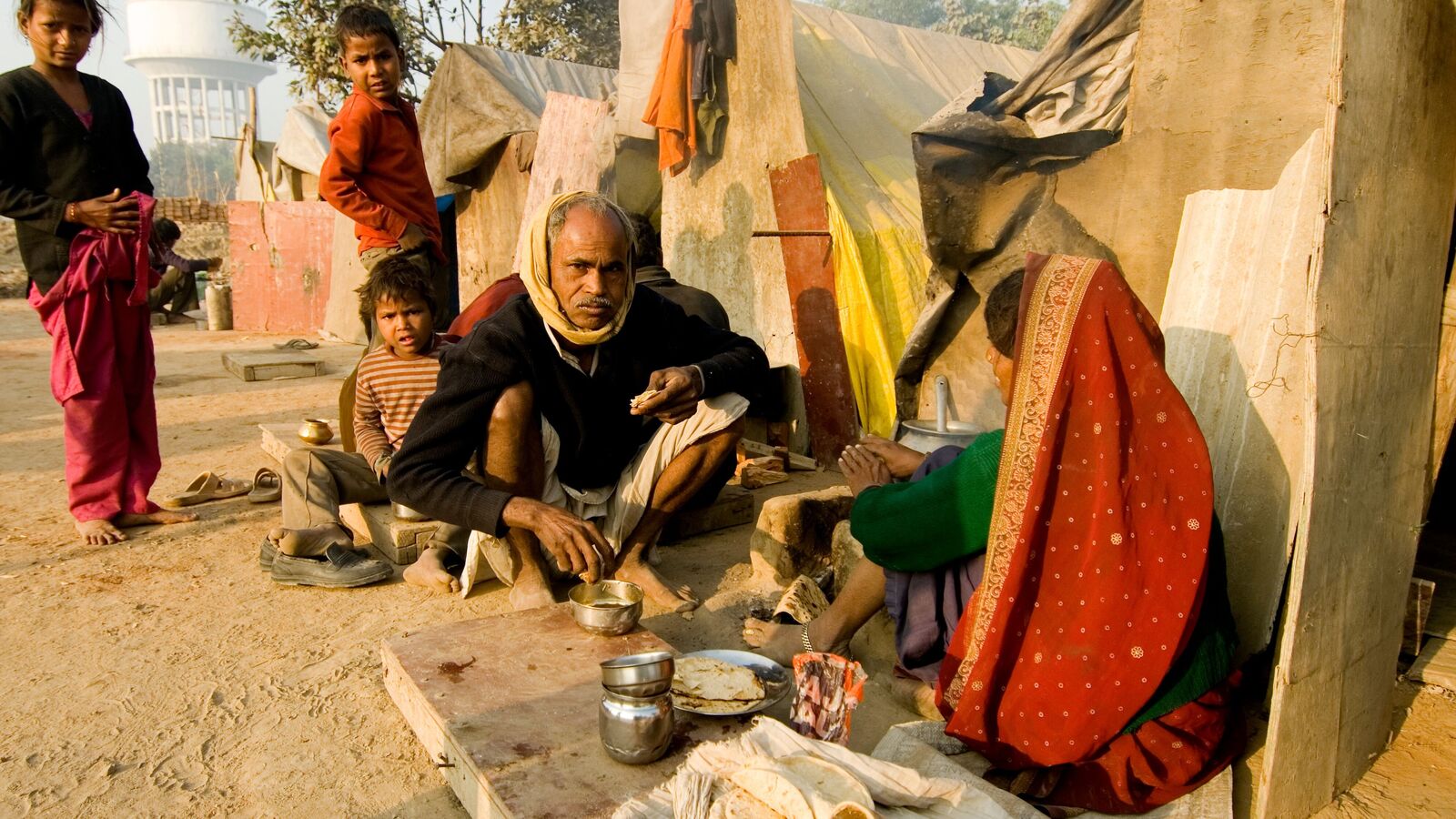

In a promising development, the daily calorie intake of India’s poorest households has seen an improvement in both rural and urban areas during the 2022-24 period, according to new data from the government. The statistics ministry, referencing household consumption expenditure surveys, reported that the per capita daily calorie intake for the bottom 5% of the population-defined by their spending-rose from 1,607 Kcal in 2022-23 to 1,688 Kcal in rural areas. In urban regions, this figure also increased, moving from 1,623 Kcal to 1,688 Kcal, indicating enhanced access to food and nutrition for vulnerable populations.
In contrast, the calorie intake for the wealthiest households, comprising the top 5% by expenditure, diminished during the same timeframe. Rural calorie consumption for this group decreased significantly from 3,116 Kcal to 2,941 Kcal, while urban intake similarly moderated from 3,478 Kcal to 3,092 Kcal. This data suggests a slight narrowing of the nutrition gap between the rich and the poor in India, a welcomed shift in the context of ongoing poverty alleviation efforts.
Under the PM Garib Kalyan Anna Yojana, the government provides 5 kg of free food grains monthly to economically disadvantaged households. This initiative complements the subsidized ration allocated under the National Food Security Act (NFSA) to families enrolled in the Public Distribution System (PDS). Additionally, the Centre implements a rural employment guarantee scheme aimed at supporting households financially.
Despite these advancements, stark disparities in calorie intake remain. As of 2023-24, those in the poorest rural households consumed only 57% of the calories enjoyed by their wealthiest counterparts, while the figure stood at 55% in urban settings. Additionally, a slight decline in per capita daily calorie intake was noted in both rural and urban areas between July-August 2022-23 and the following period, although protein intake remained relatively stable. Notably, fat consumption increased slightly in rural areas but dropped marginally in urban environments.
According to NITI Aayog, approximately 25 crore people have escaped multidimensional poverty during the last nine years, attributing this significant change to various welfare schemes. The policy think tank highlighted that the country has achieved a reduction in multidimensional poverty-from 29.17% in 2013-14 to 11.28% in 2022-23-a marked decline of 17.89 percentage points.
Nevertheless, considerable work remains to achieve the Sustainable Development Goal (SDG) of ‘zero hunger’ by 2030. The SDG dashboard from NITI Aayog shows India with an all-India score of 52 as of 2023-24, indicating that much progress is still necessary to close the gap towards the target of 100.
This mixed landscape of progress and ongoing challenges emphasizes the imperative for continued focus on food security and poverty alleviation efforts in India, aiming to ensure that all citizens have access to adequate nutrition and opportunities for a better quality of life.
Categories: Food Security, Poverty, Nutrition
Tags: India, Caloric Intake, Poverty Alleviation, Food Security, NITI Aayog, Sustainable Development Goals
Original Source: https://www.livemint.com/news/calorie-intake-of-the-poorest-improved-during-2022-24-statistics-ministry-11751470419705.html
Category :
Tags:
Publish Date: 2025-07-02 23:36:00