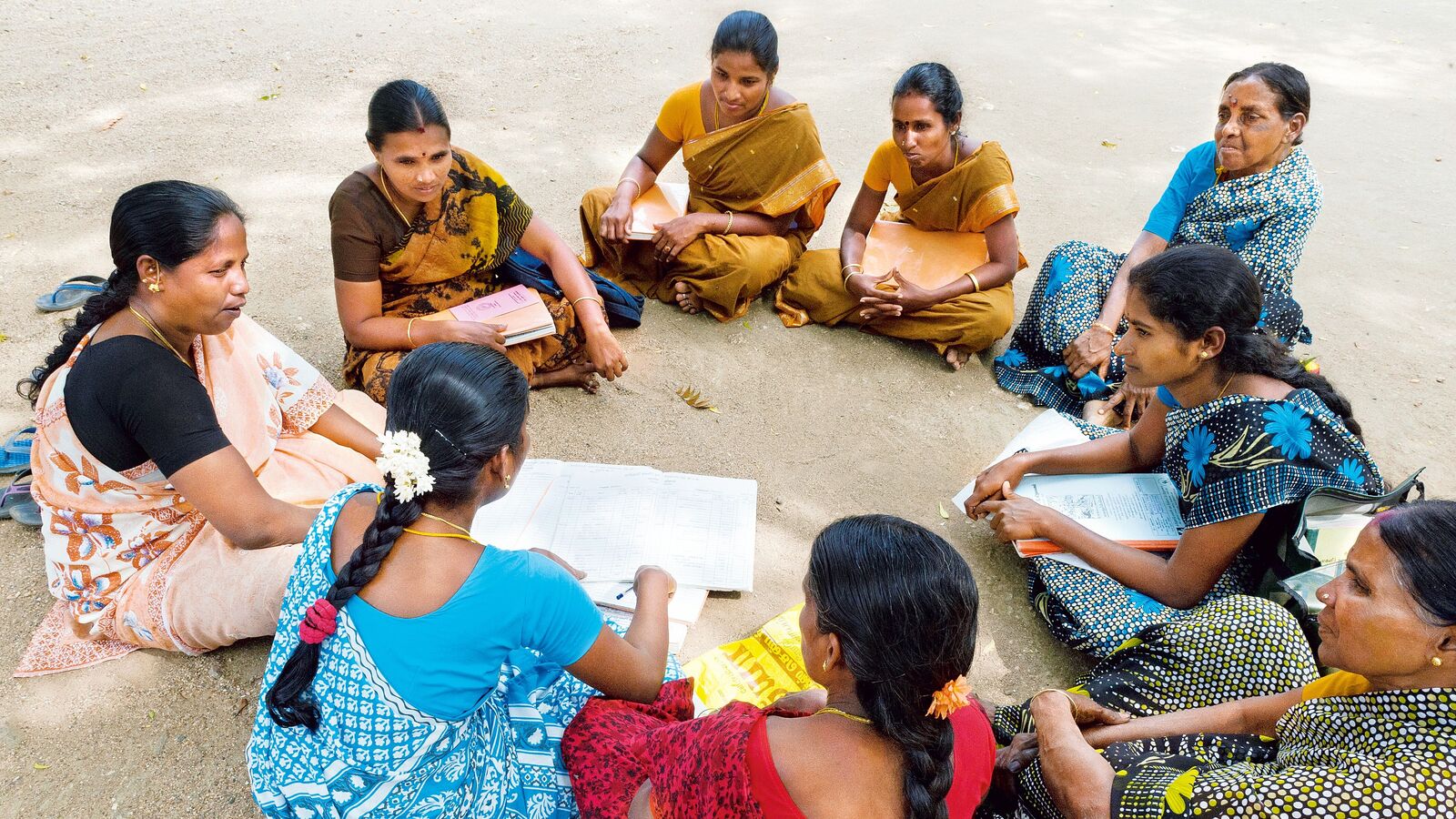

The recently released Global Gender Gap Report 2025 by the World Economic Forum ranks India at an alarming 131 out of 148 countries in its Gender Gap Index. A striking metric in this report is the gender disparity in the labour force participation rate (LFPR), which stands at 76.4% for males compared to just 35.1% for females-a gap of 41.3 percentage points. While government data indicates a gradual increase in women’s participation in the labour market over the past decade, serious concerns remain regarding job quality and earnings.
India’s female LFPR trails behind neighboring countries such as Sri Lanka and even less affluent nations like Bangladesh, which has recently surpassed India’s rate. Despite increased participation in the workforce, the quality of jobs available for women has not improved significantly. This rise is predominantly noted in rural areas rather than urban centers, and while participation in non-domestic work is on the upswing, the types of employment and their crux- economic sustainability are telling.
A significant aspect of this trend is the growing number of self-employed women. This category ranges from those starting their own businesses to women managing family-run shops. However, a critical concern arises as this segment now comprises a considerable number of unpaid contributors to household enterprises. In the fiscal year 2023-24, self-employed women accounted for approximately 66% of the female workforce, rising from 49% in 2017-18. Conversely, the absolute number of salaried female workers increased by about 10 million during the same period; however, their share of total female employment fell from 24.3% to 18.7%.
While self-employment often garners praise for encouraging female entrepreneurship, the stark reality is that many women engaged in self-employment experience low earnings. The average monthly income for self-employed women in 2023-24 was even lower than that of those in casual labor, and significantly less than their salaried counterparts. It’s evident that when it comes to income, salaried positions yield higher security and better financial stability. The world of ‘entrepreneurship’ for both genders frequently means insecure and poorly paid work, further exacerbated in the gig economy. Many jobs, such as food delivery and courier services, are classified as ‘self-employed’, yet they lack adequate labor protections and benefits.
In 2023-24, only 18.7% of women held salaried jobs. This figure varied significantly across states, exceeding 30% in only eight regions, including Chandigarh, Delhi, and Kerala. Contrastingly, states like Bihar and Uttar Pradesh reported alarming low percentages of salaried female workers-5.5% and 7.9%, respectively. Alarmingly, these states, among others, have seen a decline in the proportion of women in salaried roles since 2017-18, while some regions like Andhra Pradesh and Goa have experienced an uptick.
The pressing challenge for India’s labour market is not only to enhance the absolute number of jobs but also to elevate the quality of employment available for women. While salaried positions may seem less enticing, they offer essential stability and a more promising future compared to the alternatives currently available. Addressing these disparities is critical for advancing gender equality in the workforce and ensuring women have access to quality employment opportunities.
For more on India’s labour market dynamics, visit www.howindialives.com, a comprehensive resource for public data.
Original Source: https://www.livemint.com/news/india/global-gender-gap-report-2025-gender-gap-index-world-economic-forum-lfpr-jobs-salaries-for-women-gender-disparity-11750421254446.html
Category :
Tags:
Publish Date: 2025-06-22 06:00:00