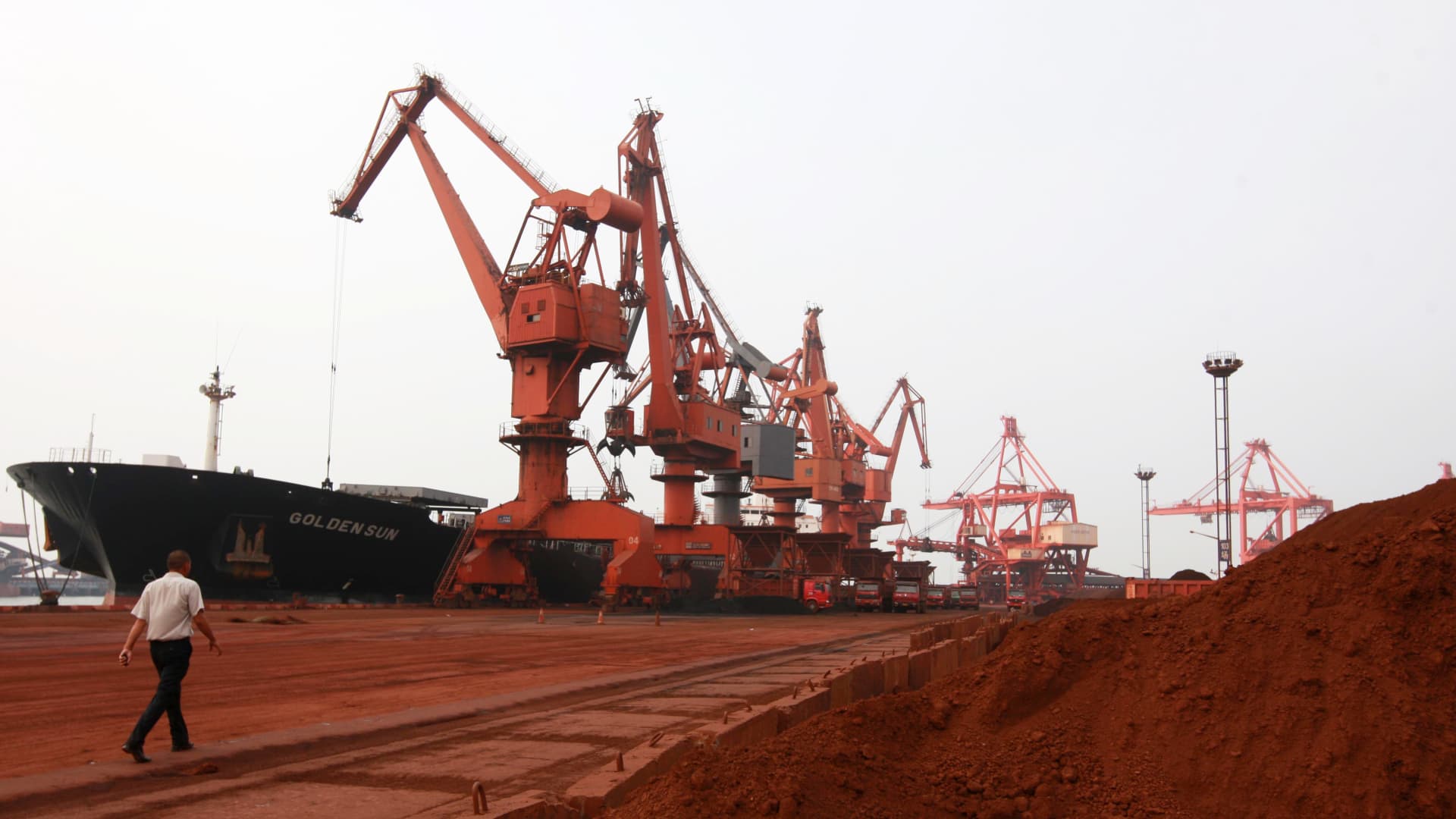

Japan is leading a significant shift in its approach to rare earth supply chains, aiming to reduce dependence on China amid rising global concerns over mineral dominance. This move comes in the wake of Beijing’s recent export bans on several rare earth elements and magnets, used extensively in the automotive, robotics, and defense industries. Japan’s proactive measures began over a decade ago during a similar crisis when China imposed an export ban on rare earths, primarily targeting Japan following a territorial dispute.
The 2010 embargo lasted only two months but alarmed Japan, prompting it to reassess its supply chain vulnerabilities. This has led to increased stockpiling, investment in recycling technologies, and a strategic push toward non-Chinese rare earth projects. A notable investment has been in Australia’s Lynas, the largest rare earth producer outside of China. According to Argus Media, Japan has successfully reduced its reliance on Chinese rare earths from over 90% in 2010 to below 60% today.
Jonathan Rowntree, CEO of Niron Magnetics, which specializes in rare earth-free permanent magnets, emphasized Japan’s preparedness compared to other nations. “Japan’s efforts to stockpile, invest in Lynas, and secure Western supplies demonstrate a robust strategy to mitigate risk,” he stated. The Japanese government plans to further decrease its Chinese dependency below 50% within the year.
China remains the dominant player in the rare earth market, producing nearly 70% of the world’s supply and performing almost 90% of the processing. This heavy reliance has raised alarms in Western nations, particularly as demand for critical minerals surges in light of the ongoing clean energy transition.
Japan’s example is now serving as a blueprint for Western countries, highlighting the challenges in breaking away from Chinese mineral dependency. Despite significant strides, experts like Nils Backeberg from Project Blue caution that Japan still faces hurdles, especially concerning heavy rare earth elements, which are less abundant and more valuable. “Most heavy rare earths still go to China for refinement,” he explained, underlining the need for continued investment in processing capabilities.
Recent export restrictions from China have added urgency to the situation, coinciding with heightened tensions, such as the tariff wars initiated under former U.S. President Donald Trump. Eldur Olafsson, CEO of Amaroq, noted that these trade dynamics have palpable effects on Western industries, particularly in the automotive sector, where production has been hindered. For instance, Japanese automaker Suzuki suspended production of its popular Swift model due to supply constraints linked to China’s export controls.
Besides direct impacts on production, companies like Nissan are actively exploring strategies to mitigate these pressures. “We need to find alternatives while maintaining flexibility,” said Nissan CEO Ivan Espinosa. Looking ahead, experts stress that a coordinated approach between governments and industries is essential to reduce reliance on Chinese minerals, with some advocating for tax incentives to bolster non-Chinese rare earth projects.
Efforts to develop a robust rare earths industry outside of China are still in nascent stages, particularly in Europe and the U.S., where imports remain a primary source. Companies like Belgian Solvay aim to meet rising demands for processed rare earths but underscore the necessity for subsidies to ensure viability. As global demand for critical minerals continues to rise, the spotlight is on Japan and its evolving strategies as a potential model for Western nations navigating the complex landscape of rare earth dependencies.
Original Source: https://www.cnbc.com/2025/06/20/rare-earths-japan-more-prepared-than-most-for-chinas-mineral-squeeze.html
Category :
Tags:
Publish Date: 2025-06-20 14:26:00