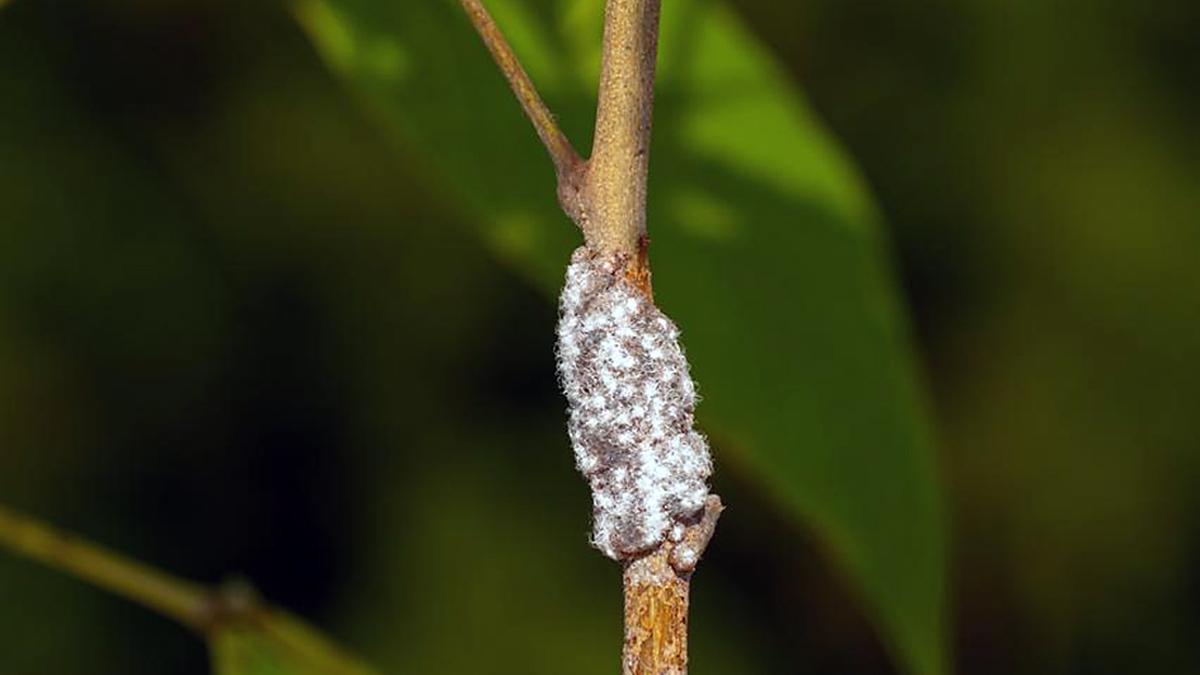

Researchers at the Indian Institute of Science (IISc) have made significant strides in understanding how the lac insect produces laccaic acid, a crucial component in the creation of lac pigment, which is widely used in food coloring, textiles, dyes, handicrafts, and folk art. The lac insect feeds on the sugary sap of certain trees, such as the flame of the forest, and secretes a sticky resin known as shellac. Until now, the precise mechanisms behind the production of the bright red laccaic acid have been shrouded in mystery, with scientists struggling for decades to identify genes responsible for its synthesis within the insect’s genome.
The IISc researchers have discovered that the colorful pigment is likely produced by a symbiotic yeast-like organism that resides within the lac insect. This organism possesses specific genes crucial for the pigment synthesis process, a finding that marks a significant breakthrough in the field. Shantanu Shukla, an assistant professor in the Department of Developmental Biology and Genetics at IISc, emphasized that India has been a traditional producer of lac pigment for thousands of years, though the production process has remained poorly understood.
One essential ingredient for the synthesis of laccaic acid is the amino acid tyrosine, which the lac insect cannot produce independently or extract from tree sap. Typically, such vital nutrients are provided by symbiotic bacteria or fungi, which inhabit the bodies of insects and release these substances in exchange for shelter. The research team sequenced the complete bacterial and fungal microbiome of the lac insect and identified two potential candidates: a Wolbachia bacterium and a yeast-like fungus. Previous studies had hinted at the existence of the fungus but had failed to isolate or analyze its genome.
In their current study, the researchers found that neither the insect nor the bacterium contained the genes necessary for producing tyrosine or other components required for pigment synthesis. In contrast, the yeast-like organism was found to hold the entire genetic toolkit needed for the production of laccaic acid. This includes genes that encode various enzymes that facilitate the formation of aromatic molecules-essential building blocks of laccaic acid.
Interestingly, the yeast-like fungus resides in the insect’s oocyte (egg cell). Floating in the insect’s haemolymph, akin to blood in animals, the fungus attaches to the maturing egg cell, allowing it to be passed on to the offspring that emerges from the oocyte. This research not only sheds light on a long-standing biological enigma but also reinforces India’s significance as a leading producer of lac pigment.
Original Source: https://www.thehindu.com/news/national/karnataka/iisc-researchers-unravel-the-mystery-behind-how-lac-insect-produces-pigment/article69704152.ece
Category:
Tags:
Publish Date: 2025-06-18 00:02:00