
On a quiet May afternoon in Pahalgam, Nadeem Ahmed, a toll operator, finds himself dozing in his cabin at the toll plaza, the once-bustling tourist spot now eerily quiet. Located 90 kilometers south of Srinagar, this popular destination in Anantnag has seen a dramatic decline in visitors following a tragic incident on April 22, when a terrorist attack claimed 26 lives, primarily targeting tourists in Baisaran, a scenic meadow just seven kilometers away.
“Today, as the day is about to end, four cars from Kolkata have entered Pahalgam. We have been waiting for tourists since April 22,” Ahmed shared on May 20, starkly illustrating the shift from the pre-attack normalcy when up to 4,000 taxis would traverse the toll daily. Now, even the familiar sound of engines is absent, replaced by an unsettling stillness.
The vibrant energy of Pahalgam has dissipated, underscoring the profound impact of the attack, one of the deadliest on Indian civilians in recent history. The region has been a hot spot for tourism since the Indian government’s revocation of Jammu and Kashmir’s special status in 2019, drawing visitors seeking respite from the heat of summer. However, the aftermath of violence has cast a long shadow over the sector.
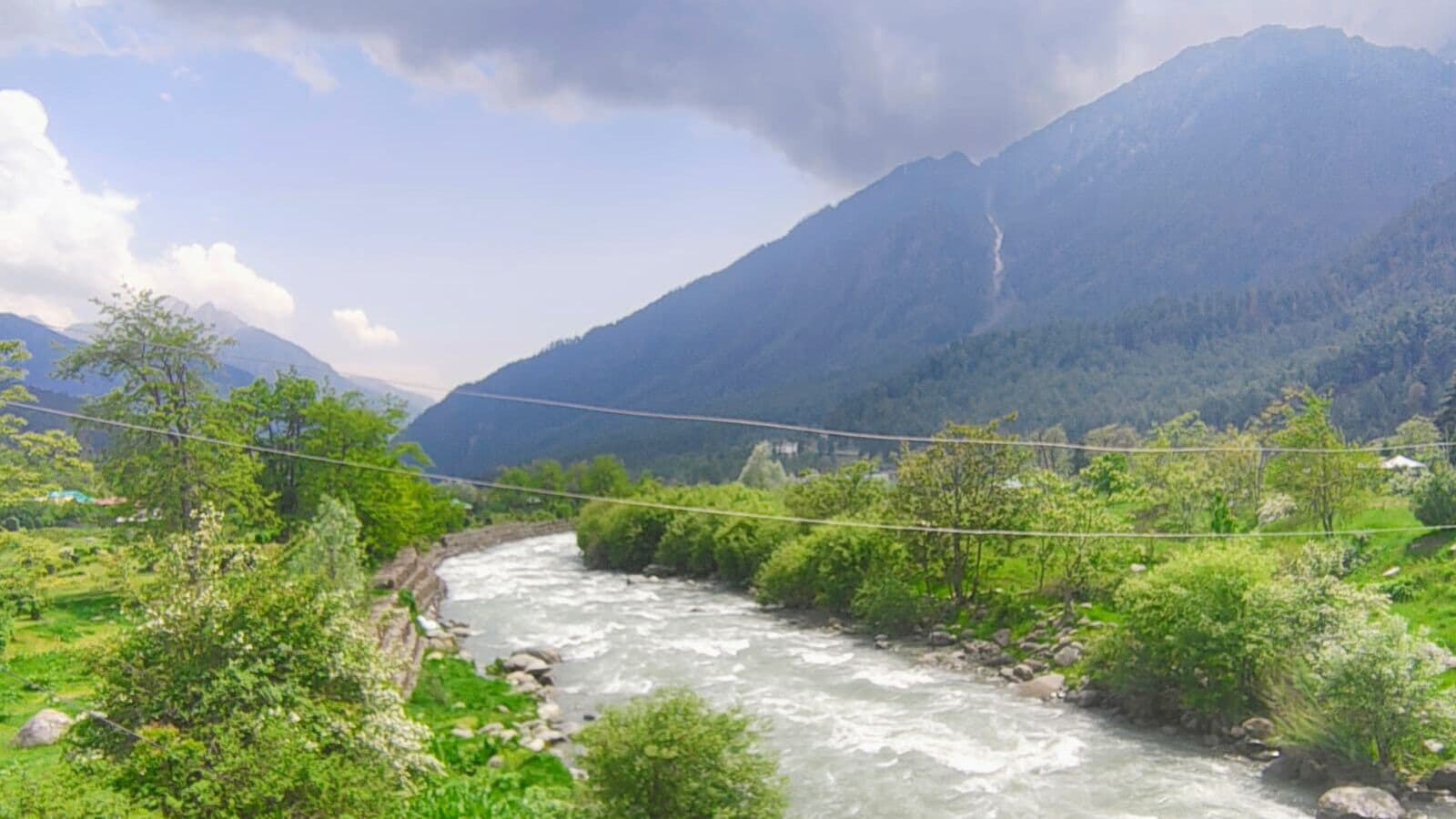
Driving past the toll gate reveals remnants of the former tourist haven: lush green pine trees lining the road, the tranquil flow of the Lidder River, and a deserted main market typically alive with activity. A selfie spot, boasting an ‘I Love Pahalgam’ sign, stands as a stark reminder of how quickly circumstances can change. “We thought it through and decided to come. We had not imagined that it would be deserted. The silence around brings a strange fear,” admitted Ankit, a tourist from Delhi.
In 2024, Jammu and Kashmir welcomed approximately 3.5 million tourists, up from 2.7 million in 2023 and 2.6 million in 2022. However, the recent attack has caused widespread cancellations that have hampered future bookings. The historic main market, named for ‘Valley of Shepherds,’ usually brimming with shoppers, now exhibits closed signs and empty parking lots.
Local business owners express frustration and apprehension. Asad Kak, a hotel caretaker, lamented, “Absolutely no occupants,” reflecting a stark contrast to bustling scenes of previous years. Records indicate that the last tourist checked in on April 22, the day of the tragedy. His sentiments echo those of others in the hospitality industry, with around 2,500 hotels and guesthouses in Pahalgam struggling following the attack.
“There were some tourists who visited Pahalgam shortly after the attack, but when popular sites were closed, the fear multiplied,” noted Nisar Ahmad, another hotel caretaker. The situation worsened with ongoing military tensions at the borders and the resulting operational disruptions, leading to a complete standstill.
Tourism, though not the mainstay of Jammu and Kashmir’s economy, contributes significantly, with estimates of around ₹10,000 crore annually bolstering the local economy. Mushtaq Chaya, chairman of the Jammu and Kashmir Hoteliers Club, highlighted that about 3 million Kashmiris rely on this sector for their livelihoods. He has urged Prime Minister Narendra Modi to encourage tourists to visit the valley once more.
As Pahalgam remains shrouded in uncertainty, it becomes clear that rebuilding trust and restoring the vibrancy of this cherished destination may take more than just a single season. “Tourism is dead. It is dead for a long time,” Nisar laments, emphasizing the long road to recovery ahead. The chilling silence that now grips Pahalgam serves as a potent reminder of the fragility of peace and prosperity in this picturesque region.
Original Source: https://www.livemint.com/news/india/pahalgam-a-month-after-terror-attack-one-season-is-too-little-to-heal-11747785896822.html
Category :
Tags:
Publish Date: 2025-05-21 07:54:00