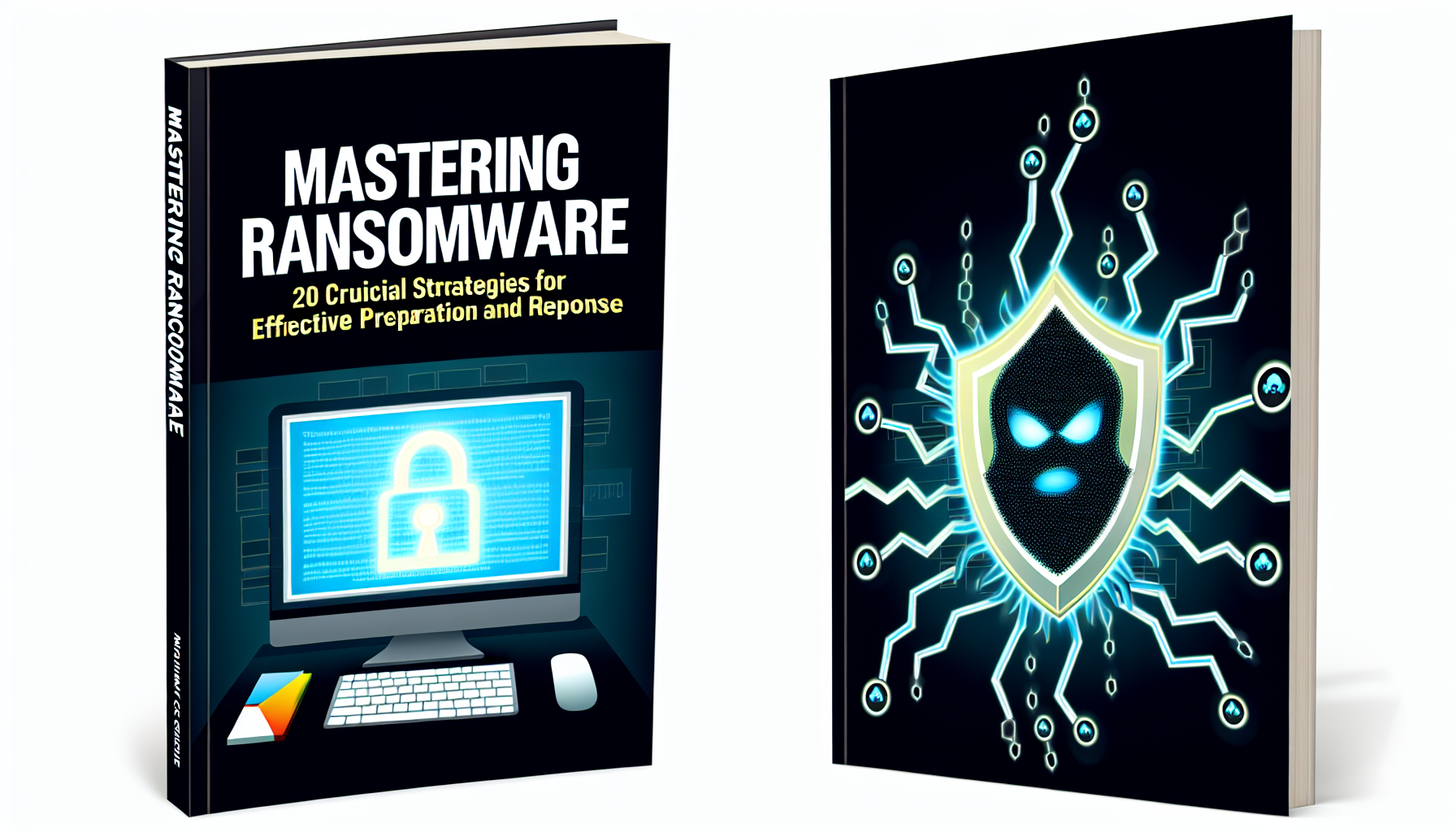
Mastering Ransomware: 20 Crucial Strategies for Effective Preparation and Response

In the quiet moments of a bustling workday, when the hum of productivity fills the air, it’s easy to forget the lurking shadows of the digital world. I remember a day not too long ago when a colleague shared a story about a local business that had fallen victim to a ransomware attack. Their data was held hostage, and the aftermath was not just financial; it was a blow to their reputation and trust within the community. This incident was a stark reminder that, in our increasingly interconnected lives, cybersecurity isn’t just a technical issue—it’s a human one.
Ransomware attacks have become alarmingly common, with businesses of all sizes facing the threat. Understanding how to prepare for and respond to these attacks is crucial. Here are 20 essential considerations that can help navigate this treacherous landscape.
First, recognize that prevention starts with awareness. Regular training for employees about phishing scams and suspicious links can be the first line of defense. An informed team is a vigilant team. Second, maintain regular backups of your data. It’s a simple yet often overlooked strategy that can save a business from devastating losses. Ensure these backups are stored offline to prevent them from being compromised.
Third, keep your software updated. Vulnerabilities in outdated systems are like open doors for attackers. Fourth, implement strong access controls. Not everyone needs access to everything; limiting permissions can minimize potential damage. Fifth, consider employing multi-factor authentication. This adds an extra layer of security that can deter even the most determined intruders.
Now, let’s talk about the human element. Cybersecurity isn’t just about technology; it’s about culture. Foster an environment where employees feel comfortable reporting suspicious activity without fear of reprimand. Encourage open dialogue about security concerns, making it a shared responsibility.
When an attack does occur, response time is critical. Have an incident response plan in place. This plan should outline roles and responsibilities, ensuring everyone knows what to do when the alarm bells ring. Communication is key—internally and externally. Keep stakeholders informed, but also be mindful of how you communicate with the public. Transparency can build trust, even in crisis.
Consider the emotional toll of a ransomware attack. The stress and anxiety it brings can ripple through a team. Providing support and resources for affected employees can help them cope and recover. After all, technology may be the target, but it’s the people who feel the impact.
Reflecting on a well-known case, the Colonial Pipeline attack serves as a cautionary tale. The company paid a hefty ransom, but the fallout extended far beyond financial loss. It disrupted fuel supplies, causing widespread panic. This incident underscores the importance of not just preparing for an attack but also understanding the broader implications of a breach.
As we navigate this complex landscape, here are a few takeaways to ponder: First, think of cybersecurity as an ongoing journey rather than a destination. Second, invest in relationships with cybersecurity experts who can provide guidance tailored to your specific needs. Finally, embrace a mindset of resilience. The digital world is fraught with challenges, but with preparation and a proactive approach, we can emerge stronger.
In a world where technology intertwines with our daily lives, the question isn’t if a ransomware attack will happen, but when. Are we ready to face it? The answer lies not just in our technology, but in our collective commitment to safeguarding our digital future.
About the Author:
Sanjeev Sarma is an IT enthusiast with over 20 years of experience in enterprise software development. As the Director of Software Services and Chief Software Architect at Webx Technologies Private Limited, he explores the intersection of technology and everyday life through a human-centered lens. With a passion for cybersecurity, AI, and digital transformation, Sanjeev aims to empower others with insights that blend intellectual curiosity and grounded wisdom.