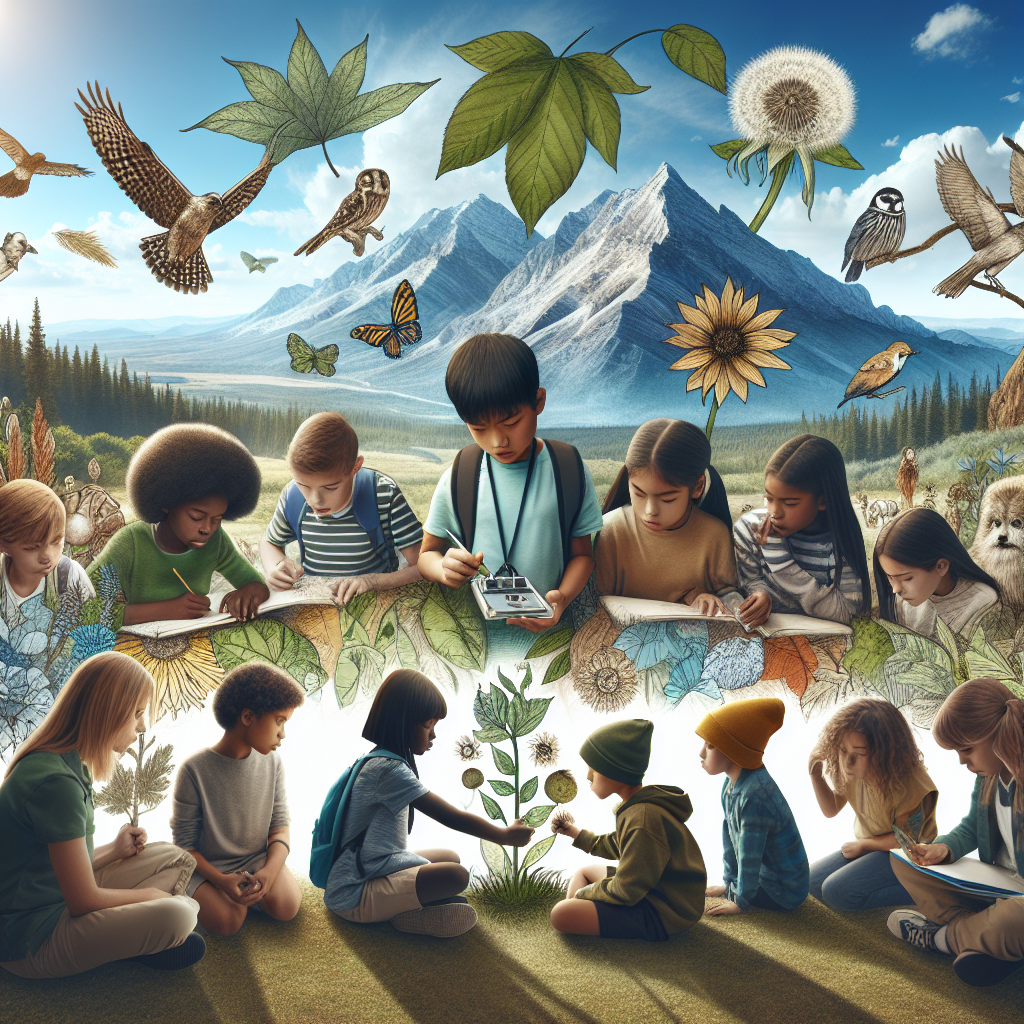

Picture this: a sun-drenched afternoon, a group of children running barefoot in a green expanse, laughter harmonizing with the rustle of leaves. They’re not just playing; they’re discovering the world, weaving connections between experiences and unlimited elements of nature. This scene, simple yet profound, illustrates a truth often overshadowed by the structured confines of classrooms: nature plays an essential role in child development.
As an IT enthusiast and occasional outdoor adventurer, I have seen firsthand the creativity that blooms when we let our minds and bodies roam freely. In today’s tech-driven world, we sometimes overlook how essential these unstructured play moments are for our kids, but research increasingly supports this notion. A study by the University of Illinois found that outdoor play significantly boosts children’s attention spans. When kids engage with nature, they aren’t just exploring the environment; they’re sharpening their cognitive skills and improving emotional regulation.
Let’s consider a practical example. A few weekends ago, I took my daughter to a local park. She was initially drawn to the swings, but soon after, her curiosity led her to a small frog hopping among the reeds by a nearby pond. Instead of simply observing, she grabbed a stick and began to sketch the froggy creature in the dirt. In that moment of playful inquiry, not only was she enhancing her artistic skills, but she was also learning about ecosystems, empathy for living beings, and the beauty of spontaneity. It was a classroom without walls, richer than any lesson plan could offer.
The benefits of learning outside four walls are numerous and scientifically backed. A report by the American Academy of Pediatrics highlights how outdoor time fosters physical health, reduces stress, and promotes creativity. In nature, children are encouraged to think critically, solve problems, and build resilience—skills that are increasingly valuable in our rapidly evolving world, especially as technology shapes our lives.
Why does this matter today? As we cling tightly to schedules packed with digital learning and screen time, it’s important to ask: Are we missing opportunities for holistic growth? Are we undervaluing the lessons hidden in the wild? Nature isn’t just a backdrop to childhood; it’s a vital ingredient in the recipe for developing well-rounded, innovative individuals.
So, as parents, educators, or simply as adults who care about the next generation, what can we do? First, consider integrating nature into daily life. This doesn’t require grand expeditions to national parks—start small. Perhaps it’s as simple as a weekend hike, or planting a garden. Encourage exploration: let the kids lead the adventure. You might be surprised by where their curiosity takes them.
Second, allow for unstructured play. Kids need space to be kids, to stumble, to explore, and to question the world around them. The more they can experiment and experience freely, the better equipped they will be as adults facing an increasingly complex landscape.
Lastly, challenge the status quo of conventional learning. Advocate for schools to prioritize outdoor classrooms and nature-centric curricula. When children learn to appreciate the beauty and complexity of the world around them, they leave with a sense of wonder—a foundation for lifelong learning.
As we continue to navigate this digital age, let’s not forget the essential wisdom in the trees and streams. Our children are the stewards of tomorrow, and they need to learn not just from screens, but from the earth itself. Because, in the end, it is in the embrace of nature where the most profound insights and innovative ideas often spring forth.
Author Profile:
Sanjeev Sarma is the Director of Software Services and Chief Software Architect at Webx Technologies Private Limited. With a passion for technology and a love for the outdoors, he explores the intersection of innovation and daily life. Always seeking to inspire with his insights, Sanjeev believes in the power of curiosity-driven learning.