Unveiling the Hidden Costs: The Heart-Pounding Price of Experiencing Films on the Big Screen in Bengaluru

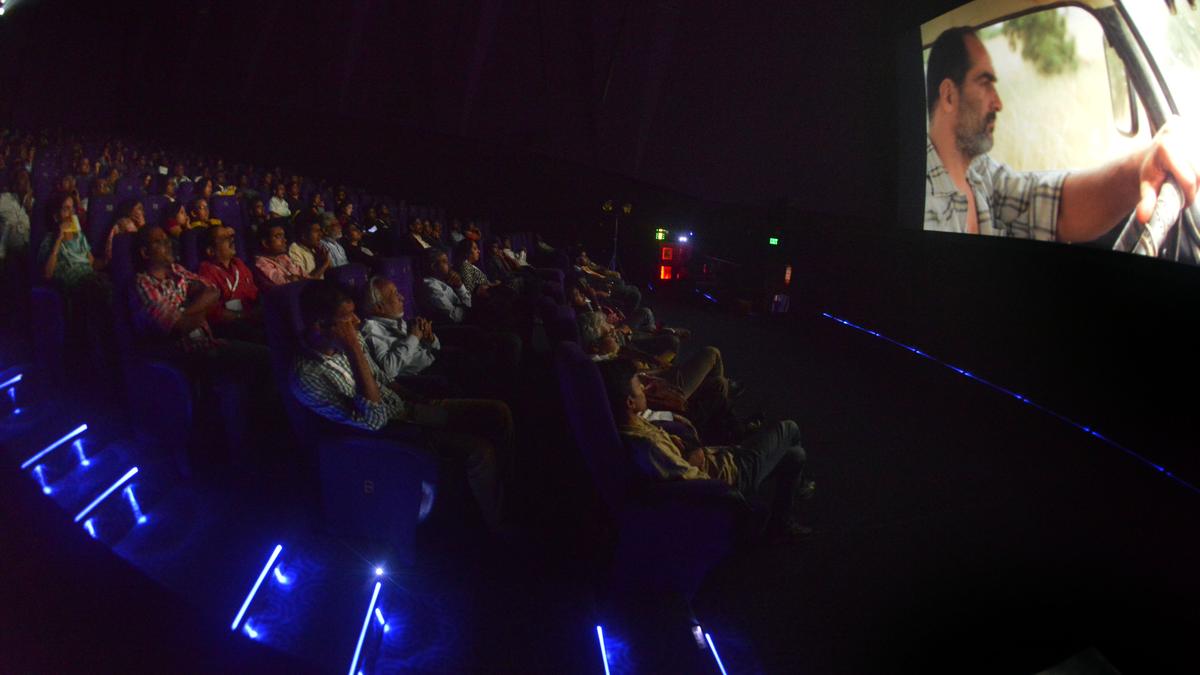
Harish Mallya, an avid film enthusiast from Bengaluru and a curator for the Bengaluru International Film Festival (BIFFes), has noticed a marked decrease in his theatre visits post-pandemic. For decades, he had a ritual of watching a film every Friday, yet recent trends reveal a stark shift in audience behavior. “I used to book seats in advance due to the rush for marquee movies on opening weekends. Nowadays, I find tickets readily available at multiplexes, even for highly anticipated films,” he notes.
The reality is that theatres are grappling with unprecedented challenges, including the rise of streaming services and escalating ticket prices. In 2024, PVR Inox Ltd. closed 85 underperforming screens, followed by the shuttering of 70 more in 2025. Single-screen theatres are also struggling, with the active count in Karnataka plummeting from 650 to 500 post-pandemic.
Bollywood actor Aamir Khan addressed these challenges during the recent World Audio Visual and Entertainment Summit in Mumbai. Despite suffering a setback with his film Laal Singh Chaddha, Khan expressed concern over the dwindling number of theatres. “In India, we have only around 10,000 screens for a population of over a billion. By comparison, the U.S. has 40,000 screens for a much smaller population, and China boasts 90,000. Numerous regions in India lack even a single-screen theatre. We need to invest in increasing our screen count,” he warned.
Compounding the issues are the rising costs associated with multiplexes. Bengaluru, in particular, is notorious for high ticket prices. Recently, the state government proposed capping film ticket prices at ₹200, a throwback to a similar promise made by Chief Minister Siddaramaiah in 2017 that stalled after legal pushback from the Multiplex Association of India (MAI). Film critic S. Shyam Prasad argues that while the Chief Minister’s intentions resonate with the public, implementing such a cap may face resistance from market dynamics.
Ticket prices for major releases can skyrocket, reaching ₹1,500 in premium screens. Films featuring major stars have commanded even higher prices; for instance, KGF: Chapter 2 had a maximum ticket rate of ₹2,500. In response to the demand for special pricing, some states, like Andhra Pradesh, allow theatre owners to adjust prices temporarily for the first ten days following a film’s release. This flexibility aims to maximize early box office revenue but risks alienating audiences if the films don’t meet expectations.
While some regions maintain fixed rates like ₹200 in Tamil Nadu and Kerala, dynamic pricing strategies remain controversial. Producers argue this model allows them to quickly recover costs, but critics warn that it could deter audiences if movie buzz diminishes.
Moreover, the preference for OTT platforms continues to gain traction, with services like Amazon Prime and Netflix offering subscriptions that can be more cost-effective than a night out at the movies. High concession prices further dissuade audiences; a mediocre theatre experience can easily lead to spending upwards of ₹3,000 for a family outing, prompting some to voice their frustrations online.
In this context, discussions around affordability and access to cinema have intensified. The MAI has frequently organized National Cinema Day, offering tickets at a reduced rate of ₹99 to encourage attendance. Even as multiplex chains introduce promotions to combat rising discontent, the sentiment on the ground reflects a growing divide between the traditional cinema experience and the convenience of at-home viewing.
As the movie industry navigates these turbulent waters, industry leaders acknowledge the need for a comprehensive approach to engage the audience while addressing both pricing and accessibility issues in this rapidly evolving landscape.
Original Source: https://www.thehindu.com/entertainment/movies/the-big-cost-of-watching-a-film-on-the-large-screen-in-bengaluru/article69574301.ece
Category : Movies
Tags:
Publish Date: 2025-05-16 07:20:00