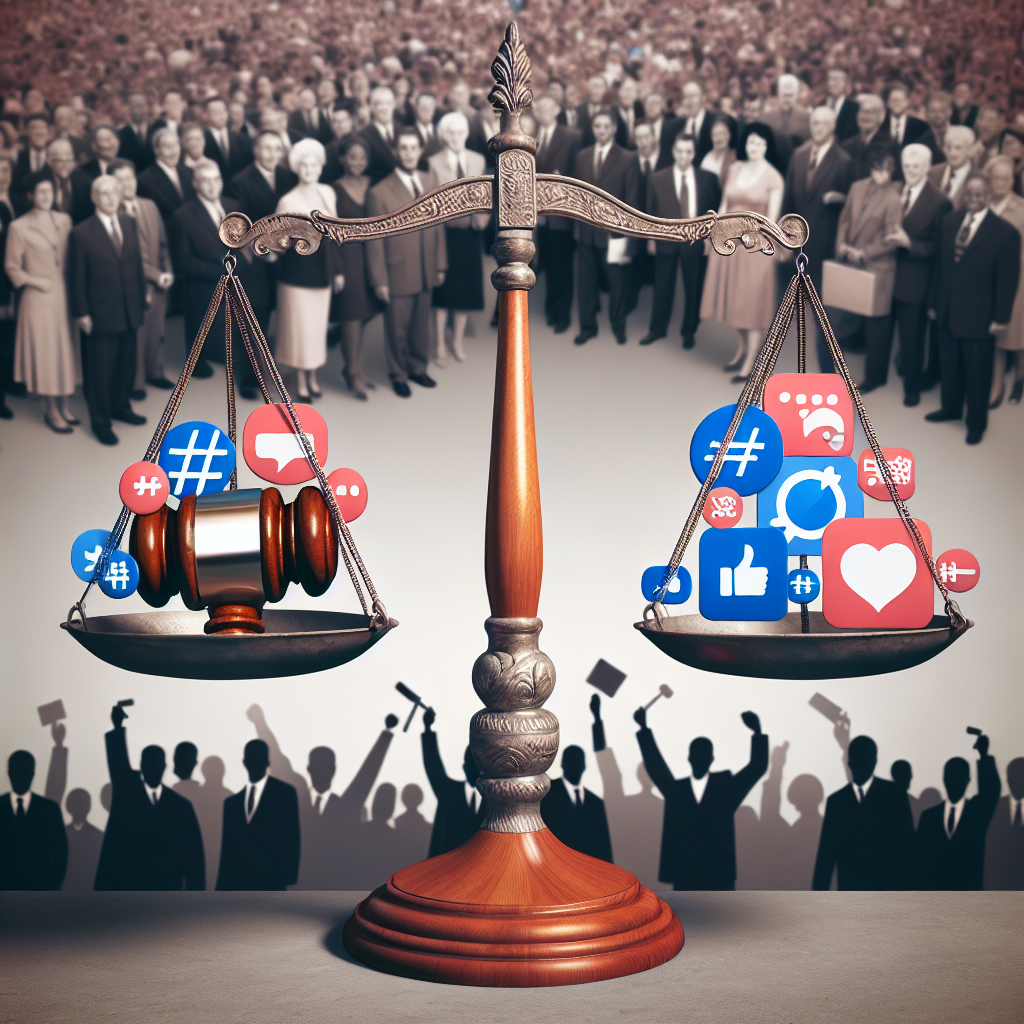
Transforming Governance: The Impact of Social Media on Democracy

Imagine it’s a Thursday night, and you’re scrolling through your social media feed. Amid the cat videos and memes, you stumble upon a live stream of a town hall meeting happening miles away. But instead of just observing, you realize you can cast your vote on a local policy initiative—how’s that for a 21st-century twist?
Social media has transformed from just a platform for sharing brunch pics to becoming a powerhouse of modern governance. You might think that’s just a reflection of our digital age, but it runs deeper. The dynamics between social media and governance are reshaping how we view power, communicate with leaders, and even participate in democracy. Just look at how the Arab Spring unfolded: a series of protests across the Middle East ignited primarily through social platforms, showing not just the power of grassroots activism but also how swiftly information can travel and empower citizens.
Now, let’s examine this evolution through a couple of lenses. First, there’s engagement. Remember when you could only voice concerns through snail mail or during town meetings? Fast forward to now, people tweet their grievances, post stories, and create hashtags that can trend worldwide. This digital dialogue allows for real-time feedback. If you think about it, a tweet can help shape policy discussions within hours. It’s like carrying a megaphone into a room full of decision-makers who are now expected to listen, thanks to the pressure that public scrutiny brings.
Then there’s access. Social media has leveled the playing field. For instance, when the COVID-19 pandemic hit, governments worldwide had to communicate essential information quickly and efficiently. Some used platforms like Twitter and Facebook to share information directly with citizens, essentially bypassing traditional media filters. This provides an opportunity for citizens to remain informed without waiting for the next day’s newspaper or a news broadcast. It’s a game-changer!
But let’s face it, technology doesn’t come without its pitfalls. Misinformation can spread as fast as useful information. Just think about the chaos surrounding public health discussions or even election processes. Cambridge Analytica is a prime example—a reminder of how data can be misused and how fragile our trust in these platforms can become. When your government is just a scroll away, the stakes are high.
So, what practical takeaways emerge from these reflections? First, governments and citizens alike need to foster digital literacy. If our public discourse is happening online, understanding how social media operates is critical. That goes beyond just using it; we need to be literate about who curates our feeds and how algorithms can both empower and manipulate us.
Second, there’s a growing necessity for transparency. Citizens have a right to know how their data is used and how decisions are made. Encouraging a dialogue around this is essential. After all, a government that is attuned to its citizens on social platforms must equally be willing to shed light on its digital interactions.
Lastly, let’s not forget our shared responsibility. Each post, tweet, or comment can be a piece of the larger narrative. Choosing to engage responsibly is as vital as participating at the polls. So the next time you’re biting your nails over a government decision, remember you have a voice, and sometimes, it’s just a tweet away.
In this ever-evolving landscape, let’s remain vigilant and engaged. The digital revolution isn’t just about technology; it’s about how we interact with the very essence of governance. As we continue to navigate these changes, staying informed, critically analyzing what we see, and holding our leaders accountable will ensure that the digital realm serves us all—rather than a select few.
Author Profile:
Sanjeev Sarma is the Director of Software Services and Chief Software Architect at Webx Technologies Private Limited. Passionate about the intersection of technology and daily life, he offers insights into the realms of AI, cybersecurity, and digital transformation. A lifelong learner and advocate for digital literacy, Sanjeev believes that understanding technology is key to empowering individuals in a rapidly changing world.