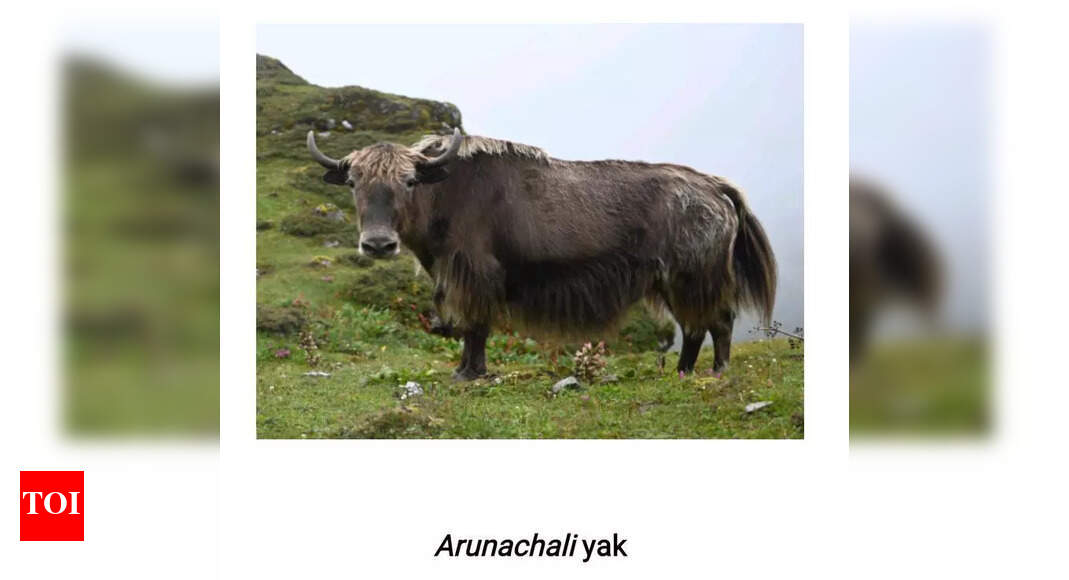

Guwahati: In a major breakthrough for yak genomic science, researchers have successfully assembled the first chromosome-level genome of the Indian yak (Bos grunniens) through a collaborative effort involving four Indian Council of Agricultural Research (ICAR) institutions. This milestone is expected to revolutionize yak breeding programs, enhance conservation strategies, and deepen scientific understanding of the genetic complexities and ecological roles of this species in the Himalayan region.
The effort was led by Dr. Martina Pukhrambam, Dr. Vijay Paul, and Dr. Mihir Sarkar, director of ICAR-NRC on Yak in Dirang, Arunachal Pradesh. They worked alongside teams from ICAR-IIAB in Ranchi and ICAR-CIRC in Meerut, with guidance from their directors Dr. Sujay Rakshit and Dr. AK Mohanty, and Dr. YG Prasad and his colleagues at ICAR-CICR in Nagpur. This project received funding from ICAR-NEH.
According to the scientists, the findings from this research will play a crucial role in identifying and conserving genetically diverse yak populations, improving desirable traits such as milk yield and disease resistance, and shedding light on the genetic mechanisms that allow yaks to thrive in harsh environments. Furthermore, the genome assembly is now accessible to the global scientific community, fostering collaboration and encouraging further studies on this unique animal.
Dr. Mihir Sarkar highlighted the development as a “major breakthrough for yak research,” emphasizing its significance for conservation and sustainable practices. Dr. Martina Pukhrambam noted that the genome resource will aid in developing targeted breeding programs and identifying genetic markers related to cold tolerance, disease resistance, and improved milk production, thereby supporting the long-term sustainability of yak populations and benefiting the livelihoods of yak herders.
The Indian yak is vital for high-altitude communities, providing meat, milk, and transport while showcasing remarkable resilience to extreme weather conditions. Populations primarily exist in Ladakh, Sikkim, Arunachal Pradesh, and Himachal Pradesh but face challenges from shrinking grazing areas, climate change, diseases, and genetic erosion.
The research team employed advanced long-read sequencing technology and bioinformatics tools to create the chromosome-level assembly, mapping genes to their specific locations on chromosomes for a clearer and more comprehensive view. Dr. Sujay Rakshit commented on the collaboration as a unique opportunity to effectively utilize budgets for targeted development of important commodities in the northeastern region. He added that comparative genomics with other bovine species will facilitate allele mining for beneficial genes linked to both biotic and abiotic stresses.
The availability of this detailed genome is set to enhance both scientific research and local livestock management practices. Dr. AK Mohanty expressed optimism, stating that this genome will enable better strategies for maintaining yak populations, crucial for both biodiversity and rural economies in the Himalayas.
Original Source: https://timesofindia.indiatimes.com/city/guwahati/researchers-of-4-icar-institutions-unlock-indian-yaks-genetic-secrets/articleshow/121169793.cms
Category:
Tags:
Publish Date: 2025-05-15 04:15:00