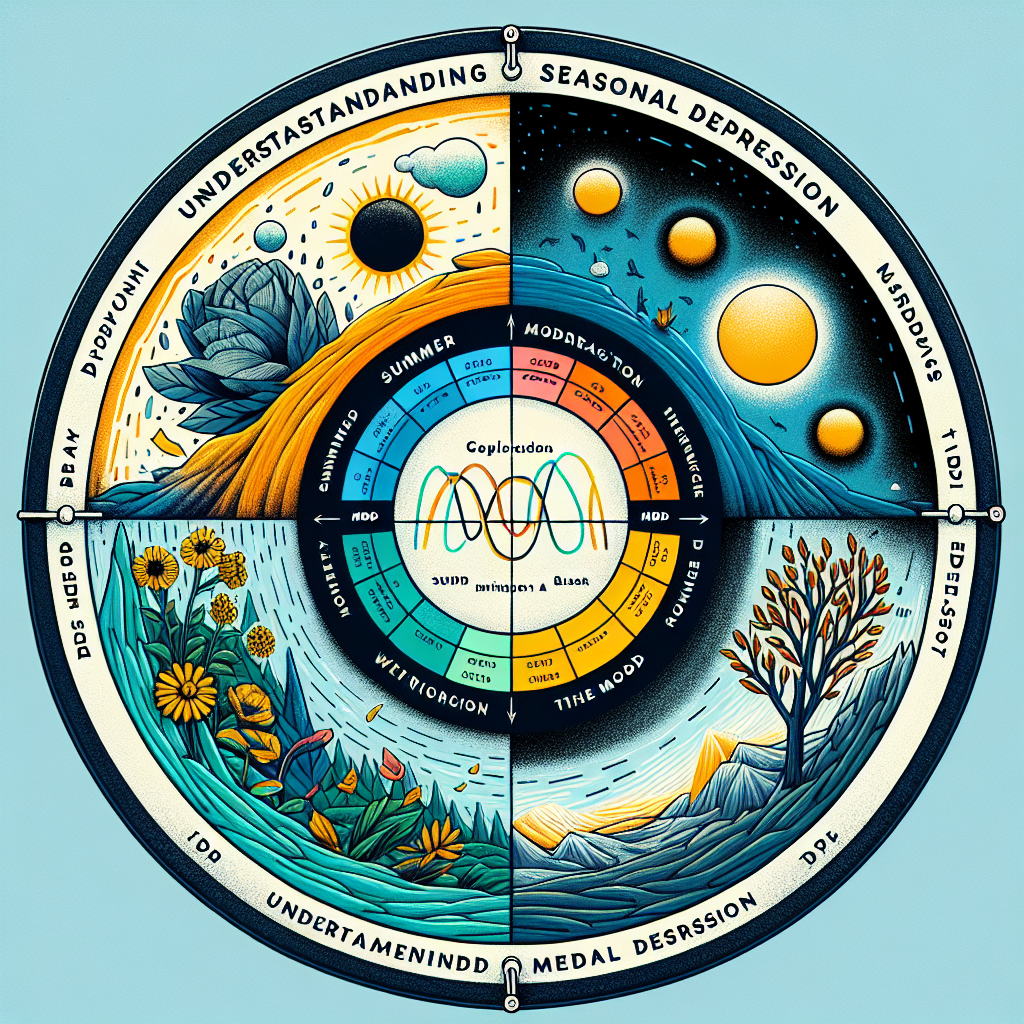
Understanding Seasonal Depression Trends: Key Findings from the RADAR-MDD Study

Picture this: the leaves are turning vibrant shades of amber, and the cool breeze carries whispers of change. But as enchanting as autumn is, it’s also the harbinger of that creeping gloom known as seasonal depression. You know—the kind that sneaks in when the days get shorter and the sun decides to play hide and seek. Turns out, this isn’t just our romanticized quest against winter blues; it’s a real phenomenon backed by science, and recent insights from the RADAR-MDD study bring it into sharper focus.
RADAR-MDD, which stands for “Remote Assessment of Disease and Relapse in Major Depression Disorder,” takes a thorough digital dive into how seasonal patterns influence mental health. Picture it as a kind of detective, using digital footprints—like daily mood self-reports and physical activity data—to unravel the complexities of depression that seem to fluctuate with the seasons. It’s kind of wild to consider technology playing a role in pinpointing why some people feel like they’re trudging through molasses in cold months while others bounce around like it’s the Fourth of July, even as snowflakes fall.
One intriguing finding is that variations in lifestyle can significantly affect how we experience these seasonal shifts. In the study, people living in urban settings with accessible mental health resources reported they managed better than those in rural areas, where our trusty sun may not shine as brightly or as often during dreary months. This goes to show how context matters—the coffee shop with cozy corners or the community center hosting events can work wonders. I had a friend who took up pottery during winter months. Knocking clay around proved cathartic, allowing her to kick seasonal gloom to the curb, one bowl at a time. It’s not just about battling the blues; it’s about actively engaging with life in ways that resonate personally.
What’s more striking is that the symptoms of depression can vary wildly depending on geographical and climatological factors. You might think seasonal depression would hit everyone the same, but that’s not the case. For instance, folks in sun-soaked places like Kerala might experience a different spectrum of mood shifts compared to someone in the chilly Himalayas. It’s a reminder that our internal landscapes are as diverse as the terrains we inhabit. Among those in colder areas, many reported an uptick in irritability and anxiety, suggesting a need for local community support systems that recognize these unique challenges.
So, what does this mean for you or someone in your circle? First off, understanding that seasonal depression isn’t a “one size fits all” can empower us to seek tailored solutions. For some, that might mean getting close to nature—however difficult that might feel during drab winters. Local parks often become underrated heroes as places to walk and breathe. It’s worth making that trek even when your couch is calling your name.
Second, advocate for mental well-being in your community. Whether that’s creating local art groups, yoga classes, or even just a regular coffee meet-up—having a collective space to share experiences can make a world of difference. You never know; your initiative might light up someone else’s winter.
Lastly, embrace technology. Apps are no longer just about tracking workouts; many mental health apps now offer mood tracking and community forums. If RADAR-MDD has taught us anything, it’s that sometimes, the best way to combat the mental fog is through awareness and active engagement, even when it feels like it’s easier to just scroll through endless feeds.
As we head deeper into this season, let’s remember those little stories—the friend who found solace in pottery or the community that thrived together. These glimpses remind us that while the sun may set earlier, we have the power to ignite warmth through creativity, connection, and a sprinkle of curiosity. So the next time you feel that chill creeping in, ask yourself: what small step can I take today to flick a switch on the gray?
Author Profile
Sanjeev Sarma is the Director of Software Services and Chief Software Architect at Webx Technologies Private Limited. An IT enthusiast and emerging thought leader, he blends a keen understanding of technology with relatable narratives, exploring the intersections of technology and daily life through practical insights. When he’s not tinkering with code, he loves sharing stories infused with curiosity and grounded wisdom. Follow his journey through the ever-evolving tech landscape as he dives into AI, entrepreneurship, and beyond.