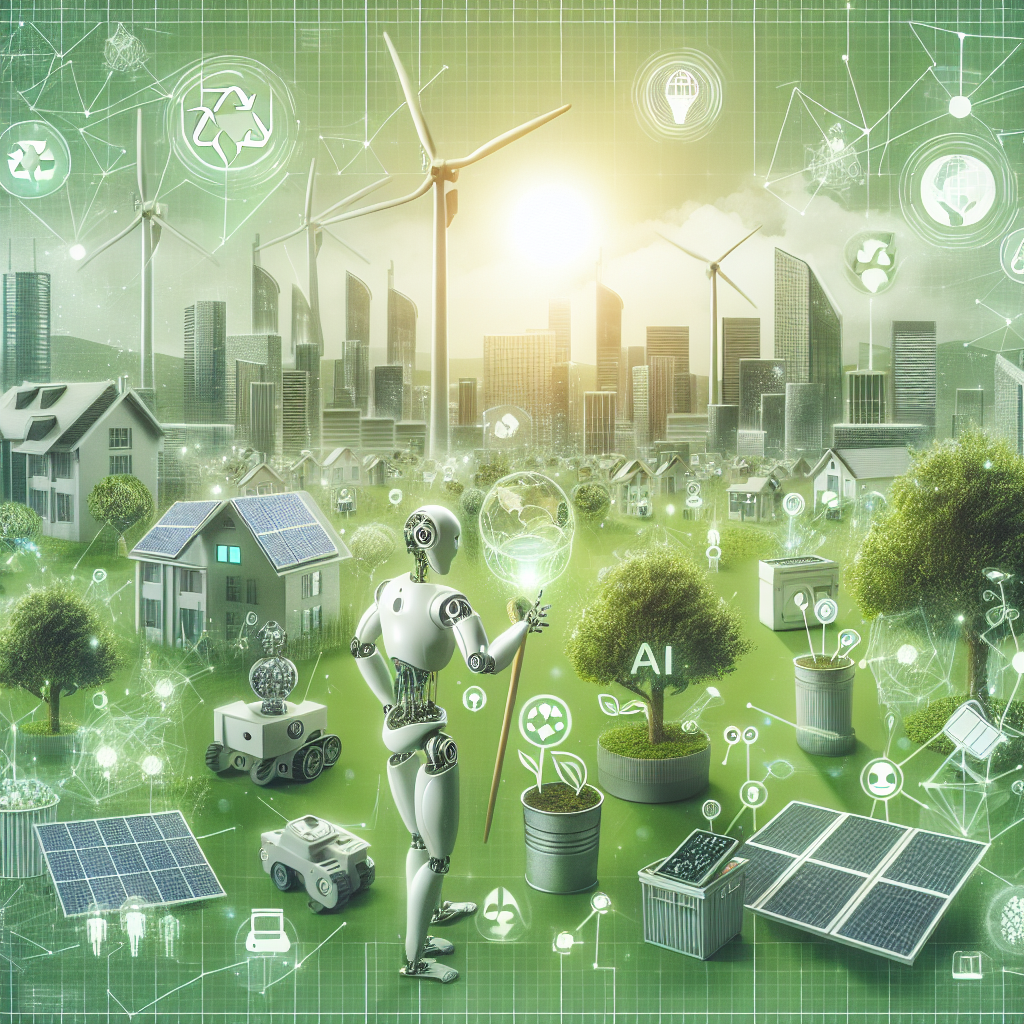
Revolutionizing Environmental Management: Empowering Sustainability through AI and IoT

Imagine waking up one morning to find that the air in your city is crisp and clean—not just a fleeting moment for an Instagram post, but a tangible reality brought about by intelligent technology. This isn’t a sci-fi dream; this is where we’re heading with the fusion of artificial intelligence (AI) and the Internet of Things (IoT) in environmental management. This marriage of tech and sustainability isn’t just a novel concept; it’s a pressing necessity for our climate and our health.
Let’s take a quick detour. Picture a bustling market in Guwahati, teeming with life and energy, but also plagued by pollution. One day, a government initiative rolls out an array of sensors throughout the city. These sensors, part of an IoT network, measure air quality, temperature, and even noise levels in real-time. Data streams into a central AI system that analyzes it, providing actionable insights—like alerting authorities when pollution levels rise above safe thresholds. Suddenly, local governments can act quickly, deploying cleaner buses or closing down roads during peak pollution times. It’s not just tech for tech’s sake; it’s tech saving lives and enhancing well-being.
This kind of smart environmental management isn’t just a theoretical concept; it’s already unfolding in cities around the world. In Singapore, for example, the "Smart Nation" initiative employs sensor networks and AI to manage everything from waste collection to water usage. The result? A more sustainable urban ecosystem that’s more responsive to its inhabitants’ needs. But while these examples are compelling, the real question is: how can we leverage these technologies in our own communities?
First, consider this: we all have a role to play in adopting tech solutions that can improve our environments. Smart home devices—like connected thermostats and energy-efficient appliances—not only reduce our carbon footprints but also provide valuable data. What if those devices could collectively inform a city’s energy strategy? When thousands of homes report energy usage patterns, city planners can better design infrastructure to accommodate solar energy or improve grid resilience.
Additionally, as we embrace IoT, there’s a growing need for cybersecurity measures to protect the data flowing between devices. Think about it: your refrigerator knows when you’re out of milk or your smart meter tracks your energy consumption; this data is gold to hackers. Ensuring that these systems are secure is paramount, creating what I like to call “trust in the tech.” A savvy product in this arena is Cisco’s IoT Threat Defense that creates a protective barrier around connected devices, empowering users to feel safe and confident in the benefits of interconnected tech.
So, what’s the takeaway here? First, we can harness technology to bring immediate benefits to our surroundings, leading to actionable insights that improve our quality of life. Second, as consumers and citizens, we need to actively participate in tech solutions that promote sustainability—not just by adopting smart technology but also by advocating for policies that integrate these practices into urban planning. Lastly, cybersecurity must remain at the forefront of our tech discussions; securing our data is essential to ensure that we can operate in a connected ecosystem without fear.
In a world constantly buzzing with innovation, it’s easy to overlook how these advances can bridge the gap between tech and environmental stewardship. Yet here we stand, on the precipice of a new era where AI and IoT can offer solutions to some of our most pressing issues. Remember, as we push for smarter cities and cleaner air, it’s not merely about tech; it’s about nurturing a sustainable future for everyone. This technology can bring about a transformation, but it’s our willingness to adopt and adapt that will truly drive change.
Author Profile: Sanjeev Sarma is a tech enthusiast and thought leader, currently serving as Director of Software Services and Chief Software Architect at Webx Technologies Private Limited. With a rich background in IT, AI, and digital transformation, he blends insight with relatable narratives that aim to inspire responsible tech adoption for a sustainable future. When he’s not immersed in code, you can find him exploring the vibrant culture and beauty of Northeast India.