
Imagine a high school student named Anya, who pours countless hours into her studies, tackling advanced calculus and cramming for the SATs. Yet, when she receives her report card, she can’t shake the feeling that something’s missing. Despite her solid grades, Anya feels unprepared for the challenges ahead—socially, emotionally, and academically. This disconnect between what grades measure and actual readiness for life is becoming increasingly difficult to ignore.
As we navigate this rapidly changing world, driven by technology and unexpected challenges, the need for a holistic approach to student success has never been more critical. Grades, while important, are only part of the puzzle. The focus has slowly begun shifting toward nurturing well-rounded individuals equipped with essential skills for tomorrow’s world.
Take a look at modern education models that prioritize emotional intelligence, creativity, and practical skills alongside traditional academia. Consider the Educause Review, which discusses the Imperative of holistic education in today’s tech-driven landscape. This paradigm shift advocates for the integration of soft skills—like collaboration, communication, and adaptability—into the educational framework.
One inspiring example comes from Finland, often heralded as a leader in progressive education. Finnish schools blend academic rigor with student well-being, emphasizing equal opportunities for all. They incorporate various activities—ranging from outdoor experiences to arts and crafts—into their curriculum, fostering creativity and interpersonal skills. As a result, Finnish students not only excel academically but also develop emotional resilience and social consciousness.
This comprehensive viewpoint isn’t solely for educators or policymakers. Parents and stakeholders must embrace the idea that success isn’t just about GPA; it’s about preparing students to think critically, solve complex problems, and adapt to new situations. One potent strategy is investing in extracurricular activities—sports, arts, volunteer work—that enable students to explore their interests and grow beyond the confines of a classroom setting. Programs like the Learning for a Sustainable Future initiative encourage student engagement in community projects, blending academic learning with real-world applications.
As we reflect on these dimensions, let’s consider how we define success. Are we equipping our children to memorize information, or are we fostering their capacity to innovate and empathize? A pivotal takeaway is to encourage students to find their passions and develop a growth mindset—something Harvard’s Center for the Developing Child emphasizes is crucial for lifelong learning.
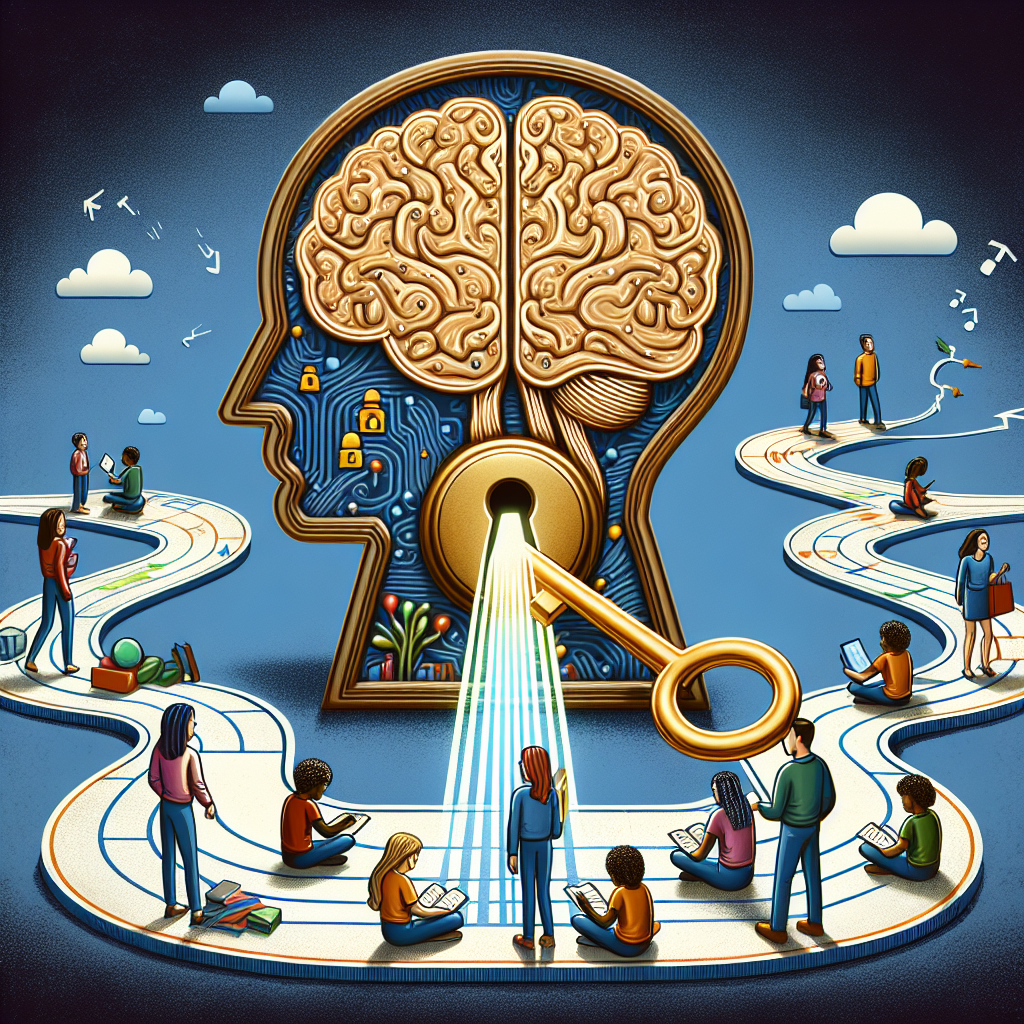
Moreover, integrating technology smartly can advance this holistic education model. Tools powered by AI can help personalize learning experiences—tailoring them to individual strengths, weaknesses, and interests. For instance, platforms like Khan Academy offer adaptive learning pathways that cater to different learning styles, ensuring every student is engaged according to their individual needs.
In this rapidly evolving educational landscape, it’s imperative for all of us to champion methods that prioritize holistic development over rote memorization. The next generation deserves an education that empowers them—one that prepares them for the complexities of life, inspires curiosity, and sparks a passion for continuous learning.
As we think about Anya’s journey, let’s remember that true success is multifaceted. It’s about fostering resilience, nurturing creativity, and developing the ability to navigate the challenges that lie ahead. The grades may fade, but the skills and values cultivated through a holistic approach will endure, unlocking a future of possibility and growth.