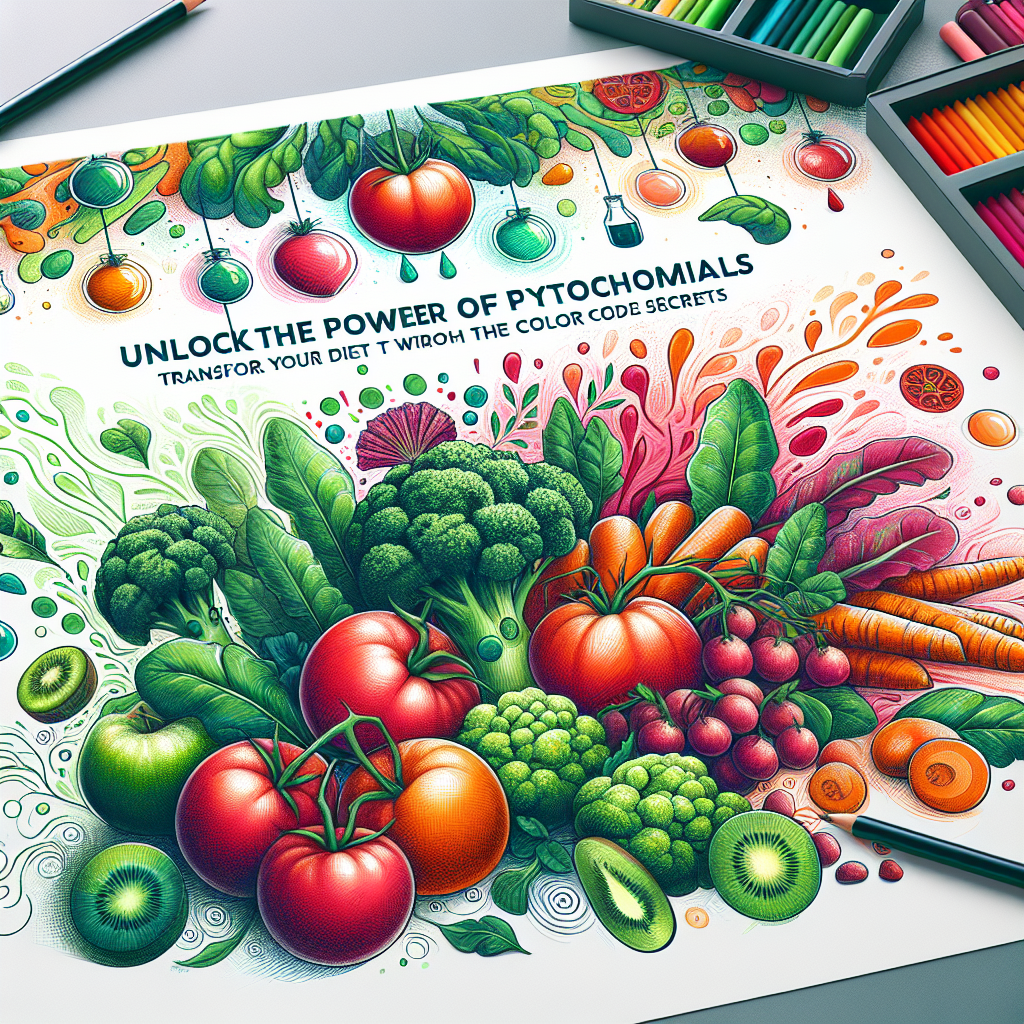
Unlock the Power of Phytochemicals: Transform Your Diet with the Color Code Secrets

In recent years, a vibrant field of nutritional science has gained traction—phytochemicals. While often overshadowed by vitamins and minerals, these naturally occurring compounds found in fruits, vegetables, grains, and legumes form the colorful essence of our diets and promise a wealth of health benefits. Understanding the color code of our food not only makes our plates visually appealing but also acts as a guide to selecting nutrient-rich options that foster well-being.
Phytochemicals are classified into various color-based groups, each associated with distinct health benefits. For instance, the pigments giving red, orange, yellow, green, blue, and purple hues to foods are often directly linked to their specific phytochemicals. Take the deep reds of tomatoes and watermelon; they carry a high concentration of lycopene, a powerful antioxidant known to reduce the risk of certain cancers and heart diseases. Similarly, the vibrant orange of carrots is enriched with beta-carotene, which the body converts into vitamin A, essential for vision and immune health.
The greens belong to another powerhouse category. Spinach, kale, and broccoli are rich in chlorophyll and other antioxidants that enhance inflammation reduction and bolster metabolic health. Eating a salad packed with various greens can connect you to these benefits while providing your body with essential nutrients. A great, accessible way to incorporate this into a busy lifestyle is by blending greens into smoothies, adding a delicious pop of color alongside fruits like berries and bananas.
Blue and purple foods, such as blueberries and eggplants, contain anthocyanins, which are linked to improved memory and cognitive function. Research has even suggested that these compounds can delay the onset of neurodegenerative diseases. Simply snacking on a handful of blueberries or adding them to breakfast oatmeal can provide a flavorful and health-focused choice to your weekly menu.
The appeal of eating a colorful diet extends beyond individual benefits; it connects to wider societal issues, including sustainability and environmental impact. The diversity of these foods encourages rotation within local produce markets, which can significantly reduce carbon footprints. For a tangible example, consider the farm-to-table movement: local restaurants that emphasize seasonal, colorful fruits and vegetables often find their dishes not only taste better but also attract health-conscious customers eager for fresh, nutrient-dense options.
However, not all phytochemicals are created equal, and the RDA for these compounds remains largely undefined, leading to questions about how to consume them effectively. A key takeaway is to focus on variety rather than quantity. Instead of obsessing over specific phytochemical counts, aim to fill your plate with a spectrum of colors. Try a weekly challenge of incorporating a “new color” into your meals—perhaps a vibrant purple cabbage or bright orange sweet potato.
It’s important to recognize that these phytochemicals are best absorbed through whole foods rather than supplements. While dietary supplements may seem convenient, they often miss out on the synergistic effects of these compounds when consumed in their natural state. For example, the fiber found in whole grains and legumes not only aids digestion but also helps with the absorption of phytochemicals, framing them within a broader context of whole nutrition.
As we dig deeper into the nutritional renaissance fueled by phytochemicals, it’s crucial to stay informed. Reputable sources such as the American Dietetic Association and the Food and Drug Administration have been producing extensive research on optimal diets filled with vibrant foods. Engaging with their resources can enrich your understanding of phytochemicals and help you curate your meals more effectively.
When you next fill your grocery cart, think beyond the price tag and nutritional label. Consider the colors—those radiant reds, brilliant greens, and striking purples. By unlocking the secrets of phytochemicals, you’ll not only elevate your culinary experience but potentially chart a course toward better health and wellness.
—
### Author Profile
Sanjeev Sarma is the Chief Software Architect at Webx Technologies, where his passion for technology intersects with a keen interest in health and wellness trends, particularly in the realm of artificial intelligence and its transformative implications for everyday life. With an extensive background in IT, he channels his curiosity into exploring how technology can enhance personal finance, education, and overall well-being. A thought leader in the field, he seeks to democratize access to cutting-edge nutritional insights, making them approachable and relatable for busy professionals. In his quest for balance, Sanjeev is committed to inspiring others to harness technology’s power for a healthier, more vibrant life through informed dietary choices.