Revealed: Elon Musk’s Secret Struggles at His Texas Mansion – Uncovered Emails Stir Controversy

In a quiet neighborhood of West Lake Hills, Texas, a high-profile resident has stirred controversy over property renovations. Elon Musk, the tech titan known for his work with Tesla and SpaceX, sought to keep details of his residential upgrades and security arrangements out of the public eye. Emails obtained by The New York Times reveal that Musk’s team lobbied city officials to privatize discussions about a $6 million mansion he owns, invoking his past cooperation with the Trump administration to argue for exemptions from public record laws.
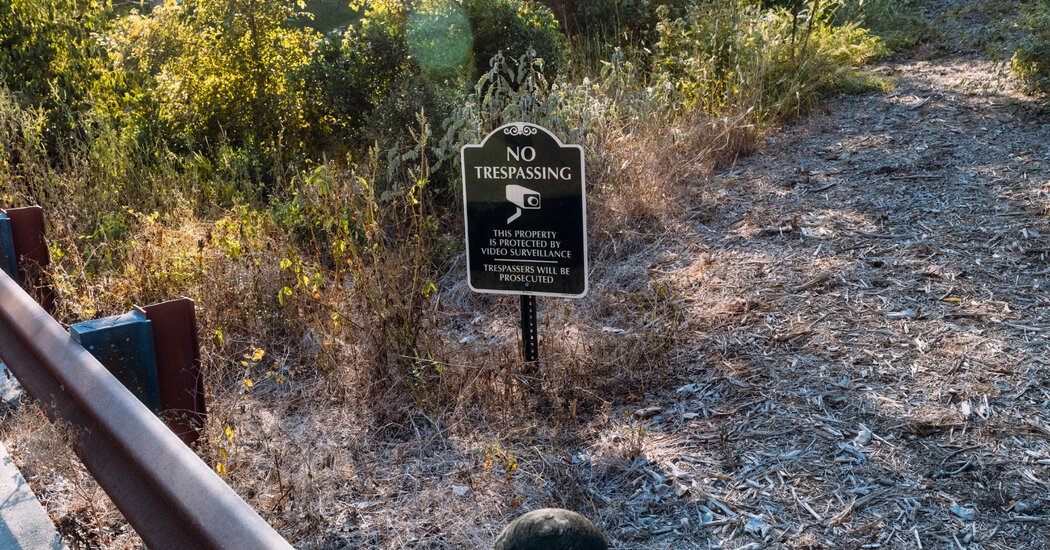
This effort centered on a neighborhood dispute regarding Musk’s unauthorized construction of a 16-foot chain-link fence and a metal gate equipped with security cameras. These additions, made without necessary permits, violated numerous city ordinances. In a bid to rectify the situation retroactively, Musk’s team requested a private hearing, claiming Musk’s status as a “federal public official” justified this exclusion, with promises to furnish federal clearance documentation if necessary.
West Lake Hills’ attempt to shield the details of Musk’s mansion from public scrutiny was ultimately unsuccessful. The city attorney dismissed the request for a closed meeting, citing the Texas Open Meetings Act, a law ensuring transparency in government discussions. As a result, the public Zoning and Planning Commission meeting went ahead, where the commission denied Musk’s appeal to keep the unauthorized fence and gate. The issue is now slated for a City Council review, originally set for May 14 but rescheduled to June 11 at Musk’s request.
Located in an upscale cul-de-sac, Musk’s 6,900-square-foot residence is one of three properties he acquired in recent years. Purchased through a limited liability company in 2022, the mansion serves as his base during visits to Austin and supports growing security operations. The erection of the fence and gate had become a point of contention with neighbors, who registered complaints about increased traffic and the imposing structures.
In March, the prospect of city documentation becoming public prompted Tisha Ritta, representing Musk’s interests, to urge city officials to keep related hearings private. Similarly, attorney Inna Kaplun argued that given the presence of security personnel, including federal marshals, a public discourse could compromise security protocols. Nonetheless, this argument was overruled, reinforcing the necessity of open civic processes.
At the ensuing public meeting, city staff recommended conditional approval for Musk’s constructions, suggesting minor modifications. However, resignation to precedent and protocol spurred the commission to advise the City Council against granting exceptions to Musk’s projects.
The situation highlights ongoing tensions between privacy concerns and civic transparency, particularly when influential figures are involved. As Musk and his estate await the City Council’s decision, the case exemplifies how zoning, construction compliance, and public records intersect with high-profile residential developments. The matter continues to attract attention, reflecting broader themes of accountability and transparency within local governance, especially as digital platforms drive heightened public interest in stories involving prominent tech figures.
Original Source: https://www.nytimes.com/2025/05/06/technology/elon-musk-texas-neighbors.html
Category : Zoning,Computers and the Internet,Fences and Property Barriers,Freedom of Information Act,Real Estate and Housing (Residential),Building (Construction),City Councils,Musk, Elon,West Lake Hills (Tex)
Tags:
Publish Date: 2025-05-07 06:17:00