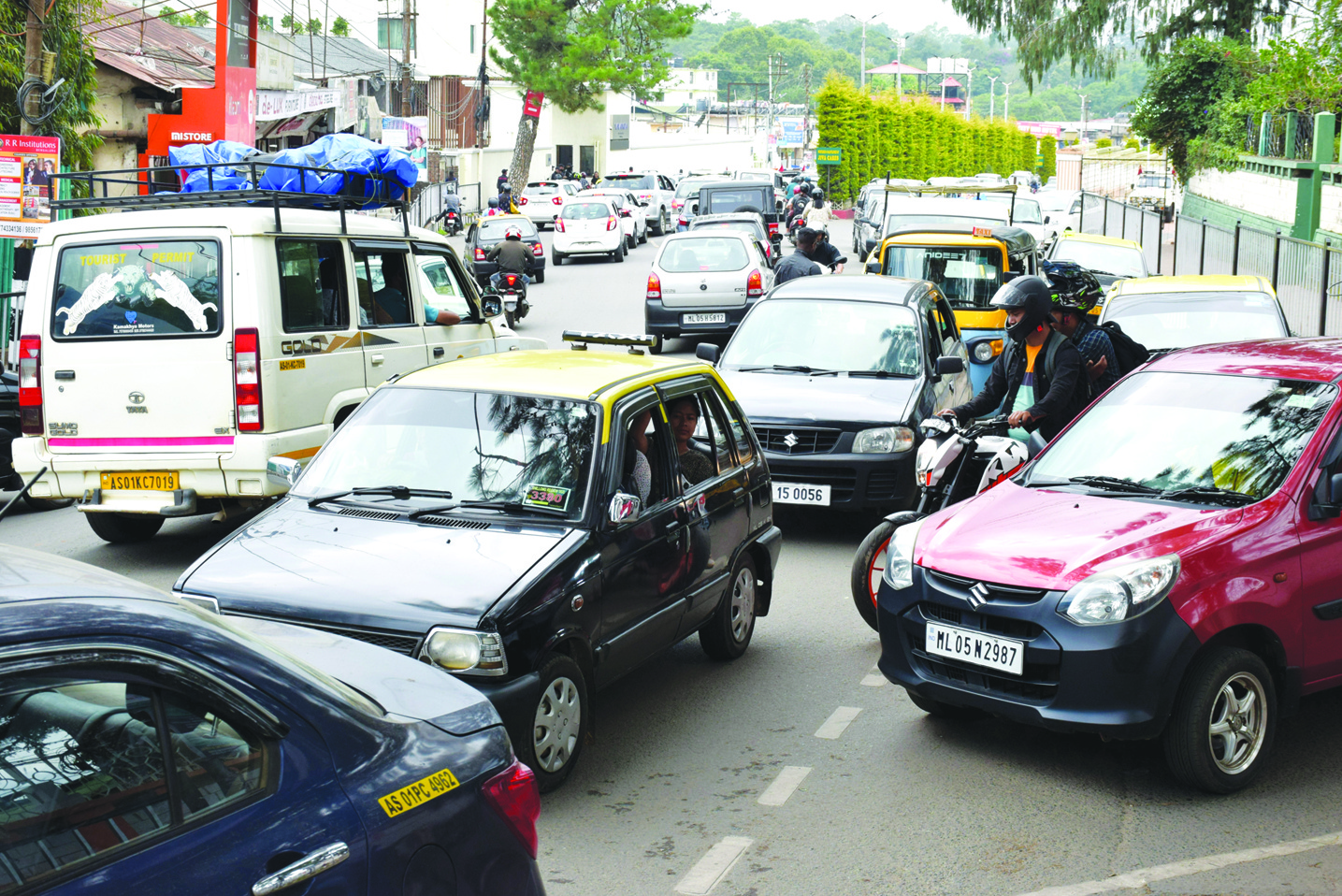

In Meghalaya, where jeeps are cherished and vintage buses symbolize cultural heritage, the government’s recent Vehicle Scrappage Policy has ignited widespread discontent. The initiative aims to phase out around 13,000 vehicles—5,000 belonging to the government and 8,000 privately owned—targeting those over 15 and 35 years old, respectively. However, for many residents, these vehicles represent not just mobility but aspirations and hard-earned achievements.
Ashoke Lyngdoh, a vintage car enthusiast with a collection spanning over six decades, expressed the collective sentiment: the policy feels like an ultimatum to purchase new vehicles that many can’t afford. “Taxes have skyrocketed, and with increased car taxes, sales are plummeting. This seems like a maneuver to push people into buying new cars,” he lamented. While Lyngdoh’s own vintage cars are safe from being scrapped, he empathizes with others who may lose their vehicles, even if they pass emissions tests. For many in Meghalaya, owning a car is a once-in-a-lifetime dream, painstakingly achieved.
The policy’s implementation has brought feelings of injustice, particularly regarding what some view as selective targeting. Lyngdoh questioned, “Why are private cars being targeted while trucks are not?” His point highlights a broader frustration among enthusiasts who believe that well-maintained vehicles should not be scrapped if they adhere to pollution standards.
Echoing this sentiment, Khamjam Charmang, president of Café Racers Shillong, discussed the legacy of iconic Indian manufacturers like Maruti and Hindustan Motors. “Scrapping such cars means erasing a part of our heritage,” he said, emphasizing the importance of preserving these vehicles that have historical significance. Charmang criticized the government for losing sight of cultural roots in its pursuit of modernization.
Practical concerns also emerge within the debate. The rugged terrain of Meghalaya often necessitates older vehicles that are easier to repair than the newer, complex models. “What about the livelihoods of those who depend on their old cars and pick-ups?” he asked, spotlighting the socioeconomic implications of this policy.
Maxwell V Nongbri, another car enthusiast, criticized the perceived double standards, noting the higher emissions from industrial pollutants compared to the older vehicles being targeted. He suggested that scrapping should focus on vehicles failing to meet basic registration and pollution standards rather than well-preserved classic cars.
Adding to the frustrations, Harrison F Dhar highlighted the irony of Byrnihat being labeled the most polluted city in the world while the government targets older cars. “The government needs to address the serious pollution issues first before implementing policies that affect responsible vehicle owners,” he urged, outlining pressing local concerns like pollution, traffic congestion, and deteriorating infrastructure.
In a state grappling with poverty, where vehicles are lifelines rather than status symbols, the Vehicle Scrappage Policy is seen not as an environmental measure but as a bureaucratic imposition that threatens dignity and memory. As Lyngdoh poignantly stated, “It is sad. You are taking away the dreams of many to own a car.” This rising discontent highlights the complexities of balancing environmental concerns with the socio-economic realities faced by many in Meghalaya.
Original Source: https://theshillongtimes.com/2025/05/05/vehicle-scrappage-policy-sparks-emotional-backlash/
Category : MEGHALAYA
Tags:
Publish Date: 2025-05-05 04:55:00