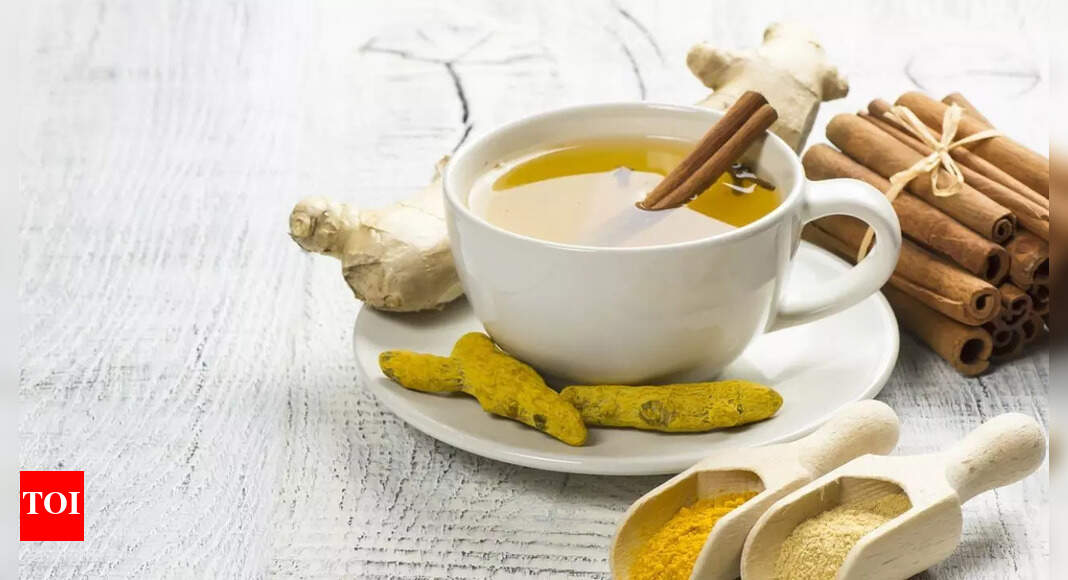
Turmeric to Cinnamon: Powerful Herbs You Must Avoid Mixing with Medicines for Optimal Health

Herbs and spices have traditionally been celebrated for their culinary appeal and health benefits, often aiding digestion and bolstering the immune system. While these natural flavor enhancers are integral to many diets and are believed to help prevent chronic ailments—such as arthritis, Alzheimer’s, and cardiovascular diseases—it’s crucial to approach their use with caution, especially when combined with various medications. Certain spices, particularly in high doses or concentrated forms, can interact negatively with prescription drugs, particularly for individuals on blood thinners, antihypertensives, and cardiac medications.
Cinnamon, for example, is a popular spice for enhancing dishes but should be used judiciously. A recent study in Food Chemistry: Molecular Sciences indicates that concentrated forms of cinnamon, such as supplements and essential oils, can interfere with the metabolism of certain medications. Researchers at the University of Mississippi’s National Center for Natural Products Research found that key components of cinnamon, like cinnamaldehyde and cinnamic acid, activate drug-processing receptors in the body. This activation can accelerate the breakdown of medications, reducing their efficacy, particularly for those requiring stable blood concentration levels.
Similarly, ginger, which is often praised for its anti-nausea properties and ability to reduce inflammation, should also be consumed cautiously. While small amounts are generally safe, excessive ginger can pose risks, especially for those on anticoagulants. Individuals taking blood thinners like warfarin or aspirin should consult with healthcare professionals regarding their ginger intake, as large quantities could lead to heightened bleeding risks or disrupt insulin levels, thereby lowering blood sugar.
Licorice root—a herbal alternative often mistaken for its sugar-laden counterpart—presents another potential hazard when mixed with medications. This powerful herb has implications for various health issues, including hypertension, as it can elevate blood pressure and interfere with both heart medications and common pain relievers like ibuprofen and diclofenac. Women using oral contraceptives should be particularly cautious, as licorice has been linked to elevated blood pressure and reduced potassium levels. Furthermore, it may enhance the effects of certain antidepressants and corticosteroids, warranting a consult with healthcare providers for those on such treatments.
St. John’s Wort, widely used for managing mild depression, also holds the potential for significant drug interactions. It can diminish the effectiveness of antidepressants, posing risks for individuals struggling with mood disorders. Its impact extends to contraceptive effectiveness, increasing the likelihood of unintended pregnancies, and it can hinder the efficacy of blood thinners and immunosuppressants by hastening the metabolic breakdown of these medications in the liver.
Lastly, turmeric, a staple in many cuisines, should be approached with similar caution when considered in supplement form. While turmeric is generally safe as a culinary ingredient, curcumin—the active component—can increase bleeding risks when combined with anticoagulants. Consulting a healthcare provider is essential for individuals on blood thinners or preparing for surgery.
As holistic wellness trends continue to rise, the message is clear: while herbs and spices offer myriad health benefits, they are not without risks, particularly in conjunction with prescription medications. It’s vital for individuals to seek medical advice before significantly altering their intake of these natural substances. Awareness and caution can ensure that the benefits of these culinary staples do not come at the cost of health.
Original Source: https://timesofindia.indiatimes.com/life-style/health-fitness/health-news/turmeric-to-cinnamon-common-herbs-and-spices-you-shouldnt-mix-with-your-medicine/articleshow/120879406.cms
Category :
Tags:
Publish Date: 2025-05-05 00:50:00