Mastering Crowd Control: Unlock the Secrets to Anticipation, Preparation, and Prevention for Unstoppable Success

In 1997, historian Ranajit Guha described how Mahatma Gandhi, India’s “foremost ideologue of self-discipline,” implemented strict rules during his travels to avoid the chaos of an unmanaged crowd. To Gandhi, disordered crowds equated to “mobocracy,” viewing discipline as a pathway to modern responsibility. Fast forward to recent times, and crowd management failures in India have proven devastating.
On July 2, 2024, a tragic crowd crush in Mughal Garhi village, Uttar Pradesh, claimed 121 lives during a conclave led by spiritual guru Suraj Pal Singh. Reports highlighted that local authorities approved only 80,000 attendees, yet around 250,000 appeared, leading to chaos as people surged towards Singh’s car. Similarly, on December 4, 2024, an incident at a film premiere in Hyderabad involving actor Allu Arjun resulted in a woman’s death and injuries to her child, prompting legal action against Arjun and the event organizers.
The horrific crowd crushes continued with the 2025 Maha Kumbh Mela in Prayagraj, where at least 50 people died. Prime Minister Narendra Modi’s promises of AI-enhanced safety measures fell short, despite the festival being under the surveillance of thousands of cameras. A judicial inquiry was commissioned after the tragedy. Moreover, on February 15, a stampede at New Delhi Railway Station ended with 18 fatalities, illustrating the dire consequences of inadequate planning.
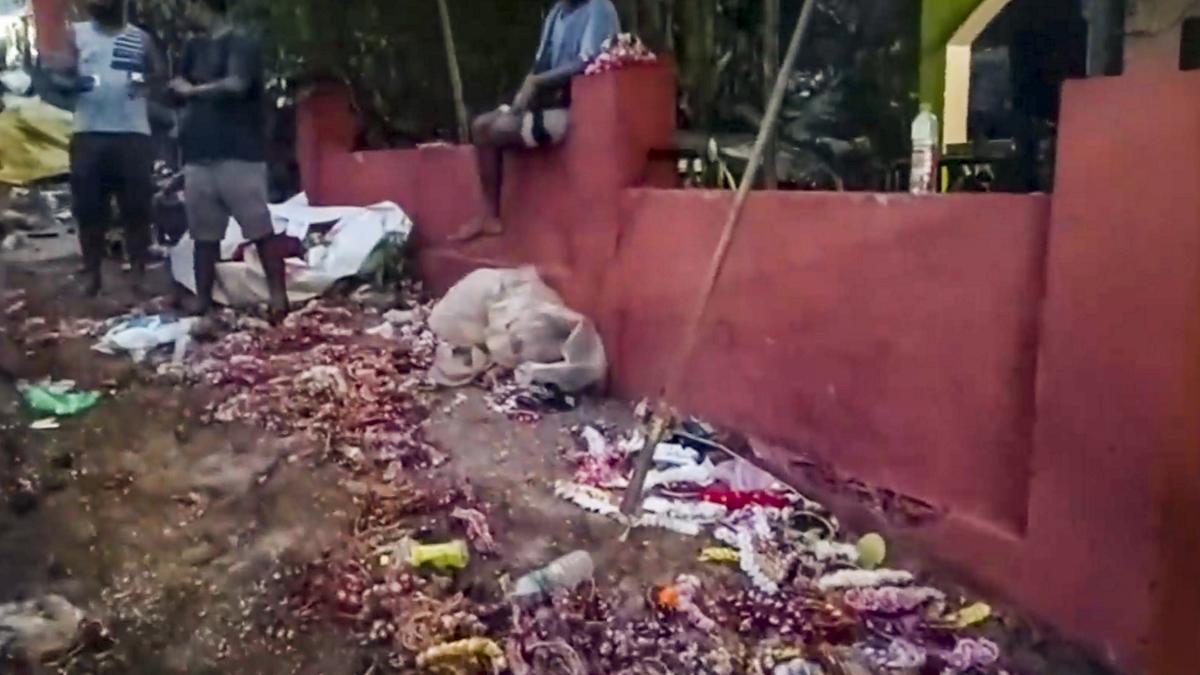
Goa saw a similar disaster on May 3, with seven deaths during a religious festival stampede. Expert Edwin Galea critiques the term “stampede,” arguing it unjustly blames victims for panic-driven deaths when systemic issues often play a bigger role. Researchers emphasize that crowd crush incidents often stem from overcrowding, where densities surpass eight people per square meter, leading to suffocation and collapses.
Infrastructure plays a significant role in crowd safety, yet VIP arrangements at events like the Kumbh Mela highlighted disparities in space allocation. Despite ample area, larger, denser gatherings often receive lower priority, leading to potential mishaps. Similar parallels emerge in Indian cities, where public resource gaps lead to crowded, unsafe conditions, exacerbated by socioeconomic disparities.
Research underscores the importance of scientifically informed crowd management. Studies suggest well-placed obstacles can ease evacuation processes, and multiple exits positioned strategically can alleviate congestion. The evolution of crowd behavior, especially in dense settings, remains under scientific scrutiny. Discoveries about rotational movements within dense crowds offer new insights but highlight the urgent need for robust infrastructure and planning.
Ultimately, the crowded conditions at events and in urban areas spotlight persisting gaps in public service and infrastructure, demanding comprehensive policy changes. Solutions require more than waiting for scientific consensus—decisive action towards reliable, inclusive urban planning and responsive disaster management is critical to safeguarding lives.
Original Source: https://www.thehindu.com/sci-tech/science/the-mechanics-of-crowd-control-anticipation-preparation-prevention/article69536976.ece
Category : Science
Tags:
Publish Date: 2025-05-04 10:33:00