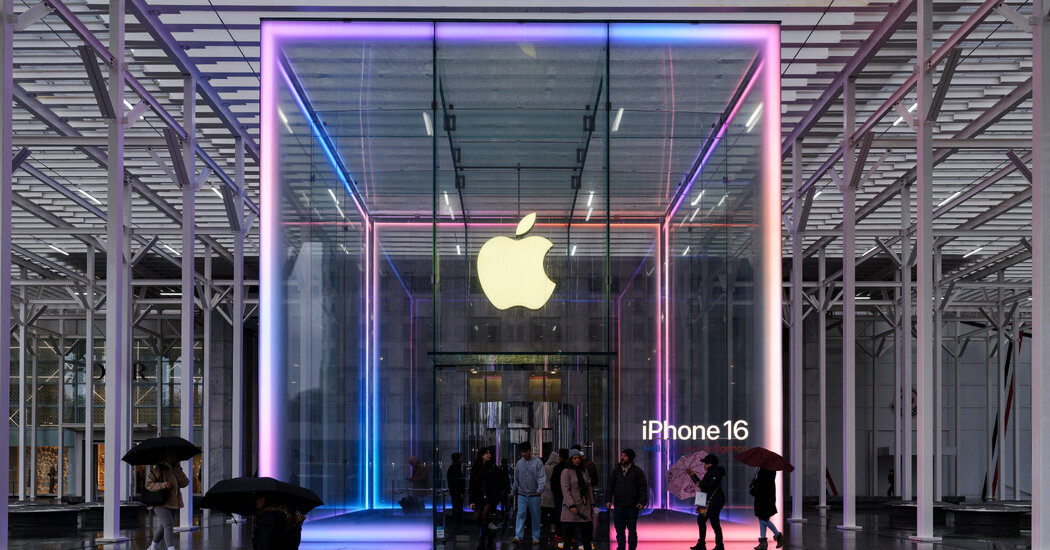

Apple has long been synonymous with innovation, but recent strategic shifts highlight its adept maneuvering in global diplomacy. CEO Tim Cook recently secured tariff exemptions for Chinese-manufactured iPhones, which has allowed Apple to concentrate on its core business. The company introduced a lower-priced iPhone in February, contributing to a stellar $24.78 billion quarterly profit—a 4.8% increase compared to last year. Total sales surged by 5% to $95.36 billion, surpassing Wall Street expectations. Despite these strong figures, shares fell over 3% in after-hours trading.
Apple’s performance is noteworthy given the current global challenges. It faces internal hurdles, such as setbacks with its artificial intelligence initiatives, and external pressures from tariffs under the previous U.S. administration. Cook reported an estimated $900 million hit from current tariffs, assuming these remain unchanged without additional fees.
The situation escalated last month when the U.S. imposed a 145% tariff on Chinese exports, denting Apple’s market value by approximately $770 billion within days. Predicted price hikes could soon push iPhone costs to $1,600 from $1,000, spurring some consumers to purchase devices ahead of increases, potentially boosting sales for the June-ending quarter. Cook’s strategic diplomacy resulted in temporary tariff relief after a significant donation to a presidential inauguration fund.
In response, Apple is overhauling its supply chain, planning to assemble most U.S.-sold iPhones in India and producing Macs, iPads, and AirPods in Vietnam. “We will manage the company the way we always have, with thoughtful and deliberate decisions,” Cook stated confidently.
iPhone sales, Apple’s cornerstone, rose 2% to $46.84 billion. Growth was particularly strong in Japan, India, and the Middle East, where the brand secured the top spot for smartphone sales globally, as noted by Counterpoint Research. In contrast, China remains a challenging market, with a sixth consecutive quarter of declining sales, dropping 2% to $16 billion.
Ben Bajarin of Creative Strategies warns, “Everything is OK for right now because no prices have been raised. The question is: If more tariffs hit, then what happens?”
Apple’s services segment, encompassing apps, Apple Music, and Apple Pay, saw a robust 11.6% revenue increase to $26.65 billion. Yet, future prospects face uncertainties. A federal judge’s ruling could slice a 27% commission off app sales beyond the App Store, potentially cutting into a substantial revenue stream. Apple plans to appeal this decision.
The services division may also lose $20 billion in Google payments if antitrust actions restrict partnerships. With regulators scrutinizing Google’s search monopoly, this critical source of revenue for Apple may diminish.
Meanwhile, Apple’s hardware segment encounters delays. Its generative A.I. system, heralded for enhancing user experience, remains incomplete. Marketing these features is paused until quality benchmarks are met, Cook confirmed, expressing patience and ongoing progress.
Apple continues to navigate a complex landscape of tariffs, competition, and shifting market conditions, maintaining focus on innovation and strategic adjustments. As it adapts to these challenges, the spotlight remains on its ability to leverage diplomacy alongside technological advancement.
Original Source: https://www.nytimes.com/2025/05/01/technology/apple-earnings-profit.html
Category : Company Reports,Mobile Applications,Prices (Fares, Fees and Rates),Computers and the Internet,Customs (Tariff),iPhone,Artificial Intelligence,Apple Inc,Cook, Timothy D,China
Tags:
Publish Date: 2025-05-02 04:05:00