
European companies are poised to increase prices for American consumers, driven by U.S. import tariffs that are impacting profitability across industries ranging from luxury goods to industrial manufacturing. Companies from France, Sweden, Switzerland, and Germany have announced plans to hike prices to counter tariff-related costs. This strategy was highlighted in recent earnings calls analyzed by CNBC, following the trade policy changes implemented under U.S. President Donald Trump.
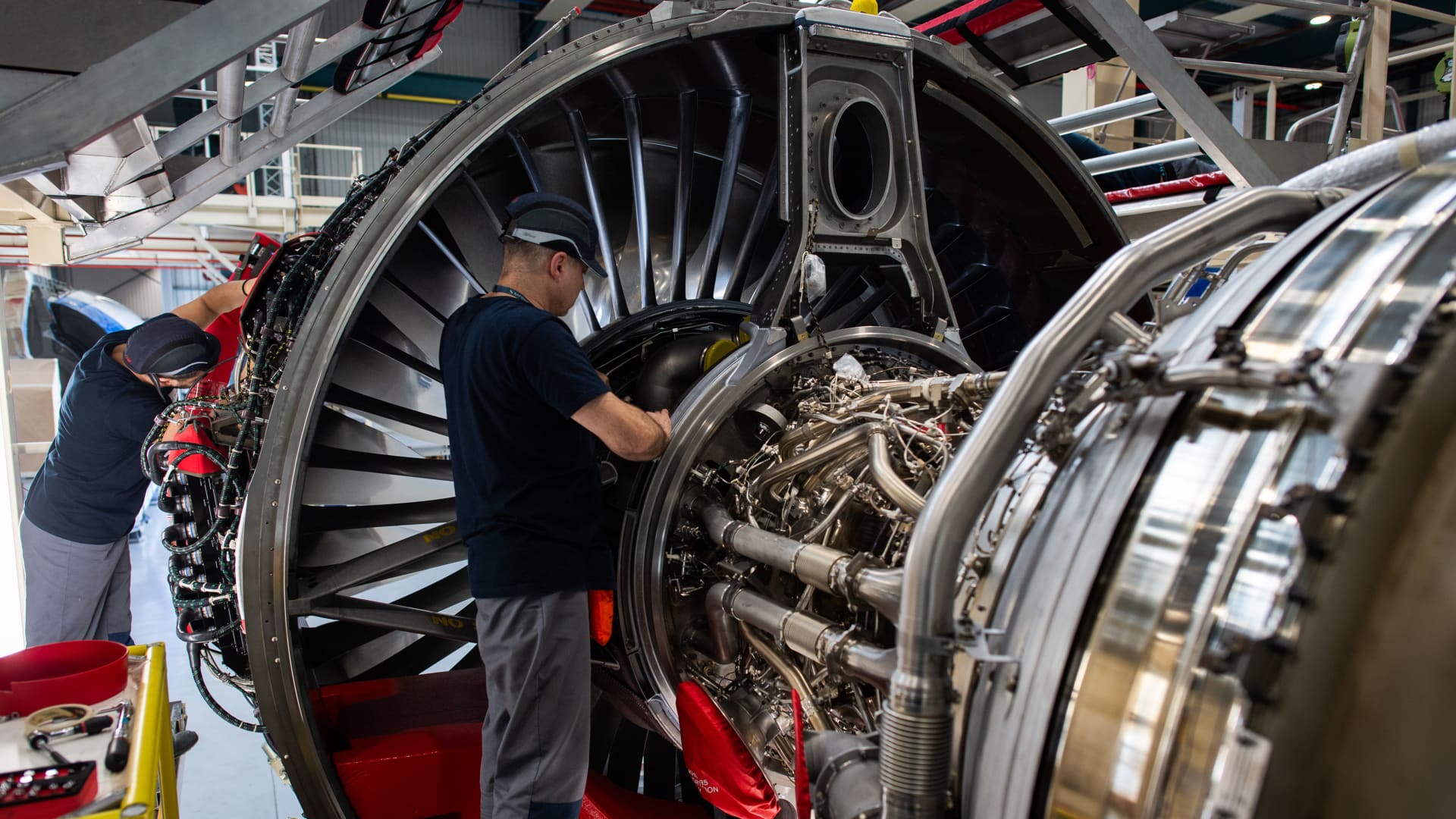
French jet engine maker Safran, which generates over 25% of its revenue from the U.S., has stated its intention to impose a tariff surcharge on its airline customers. CEO Olivier Andriès emphasized the unavoidable nature of these price hikes due to the inflationary effects of tariffs. Safran, which partners with General Electric in CFM International, supplies engines for popular aircraft models used by American airlines, such as the Boeing MAX 737 and Airbus A320neo.
EssilorLuxottica, known for its Ray-Ban eyewear, will adjust prices across its U.S. product lines in response to the tariffs affecting its China-manufactured frames. CEO Stefano Grassi indicated that price increases in the single-digit range are expected, but left room for further adjustments if necessary due to the significant 145% tariffs imposed on these products.
French multinational Air Liquide is also adapting by leveraging its pricing expertise, which has allowed it to achieve a 30% price increase over the past four years. CEO François Jackow and North American operations leader Adam Peters discussed their approach to managing the impact of tariffs effectively, indicating a readiness to continue raising prices as needed.
Swedish lockmaker Assa Abloy plans a 10% price increase for its U.S. market, attributing this move to the steep tariffs applied to its China-manufactured goods. CEO Nico Delvaux described the tariffs as nearly tantamount to an embargo, reinforcing the necessity of significant price adjustments to maintain profitability.
Thule, a producer of auto cargo carriers, also announced a 10% price hike. Despite having U.S.-based manufacturing facilities, the company is affected by tariffs on imported raw materials like steel and aluminum. CEO Mattias Ankarberg noted that the adjustments would begin in June, impacting products not manufactured locally.
Electrolux, which mostly manufactures in North America for the regional market, is raising prices to offset tariff-related costs. Yannick Fierling, the CEO, highlighted the company’s strategy to counter currency fluctuations in Latin America similarly.
Olivier Casanova of SEB SA revealed plans to relocate much of its Chinese production to Vietnam, with the potential to pass some tariff costs onto customers through price increases. Similarly, Kering is taking a cautious approach, considering price adjustments to protect its margins while being sensitive to consumer reactions, according to CFO Armelle Poulou.
Sandvik Group’s CEO, Stefan Widing, indicated the firm has renegotiated commercial agreements to include tariff clauses, while LVMH’s CFO Cécile Cabanis advocated for a calm approach amid uncertainties, with potential price increases as a minor part of a broader mitigation strategy.
These developments reflect a broader trend among European companies seeking to maintain profitability in the face of U.S. trade policies, catalyzing an ecosystem-wide reassessment of pricing strategies and supply chains. This news not only outlines strategic business responses but also offers insights into the complex interplay between global trade policies and corporate decision-making.
Categories: News, Business, Trade, European Companies, U.S. Tariffs
Tags: European Companies, U.S. Tariffs, Price Increase, Import Duties, Trade Policies
Original Source: https://www.cnbc.com/2025/05/01/how-european-firms-are-raising-prices-on-us-customers-over-tariffs.html
Category :
Tags:
Publish Date: 2025-05-01 09:31:00