
In a dramatic twist following last year’s colossal cyberattack on UnitedHealth Group’s Change Healthcare unit, UnitedHealth is aggressively seeking immediate repayment from medical practices that benefited from its temporary funding assistance program. Despite offering no-interest loans to help healthcare providers maintain operations during the cyberattack fallout, the company has shifted gears, demanding quick repayment from borrowers. Various medical groups, already financially strained from the breach, are now grappling with demands to repay hundreds of thousands of dollars. Optum, UnitedHealth’s financial services arm, has informed borrowers that it will exercise its right to offset claims, effectively withholding separate payments until loans are recouped.
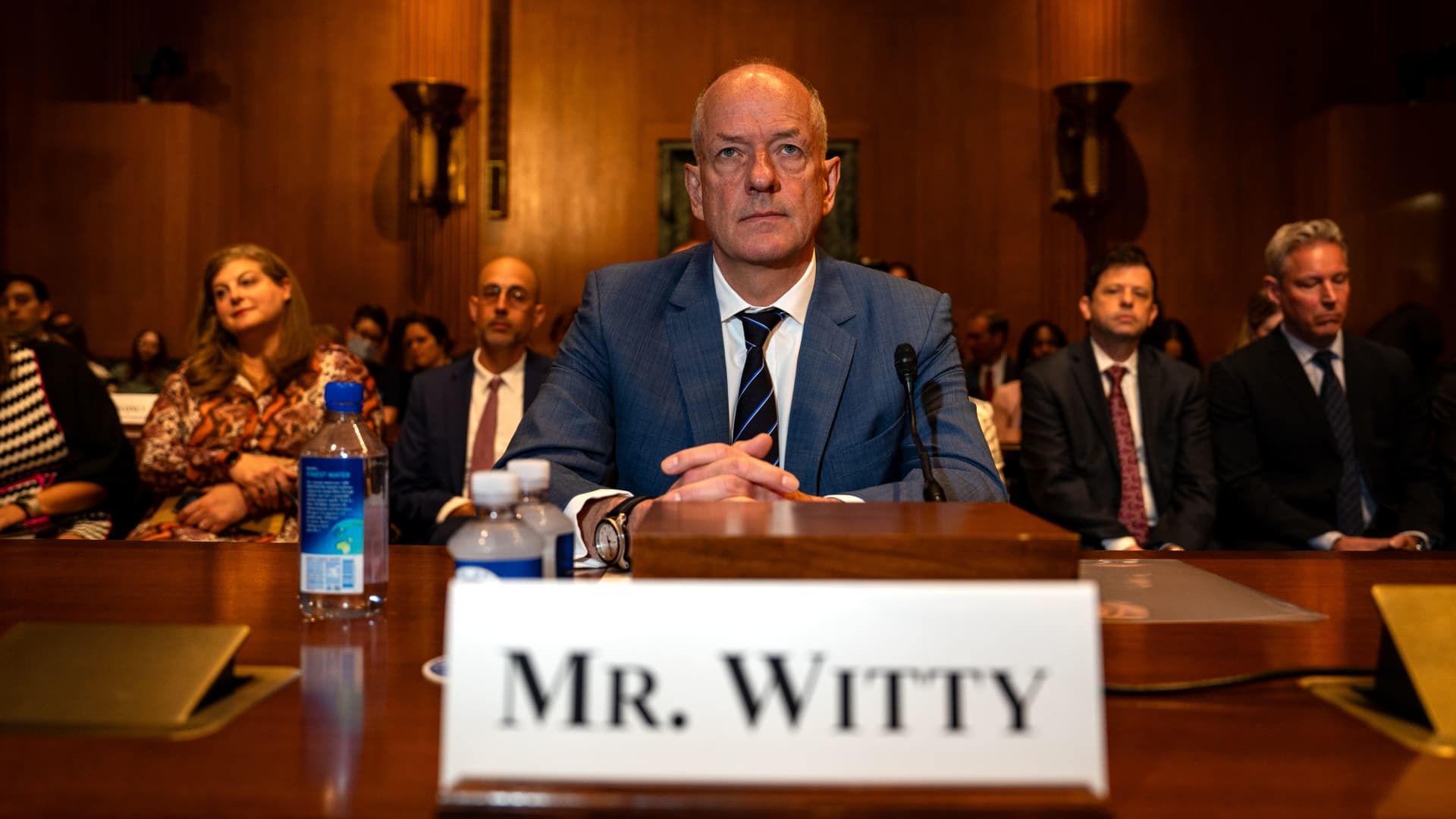
This sudden demand for repayment represents a stark policy change from UnitedHealth, which in February 2024 suffered the largest health-care data breach in U.S. history, affecting the records of approximately 190 million Americans. The breach prompted severe disruptions, temporarily halting many healthcare providers’ revenue streams and forcing some practitioners to tap into personal savings to keep operations running. In a recent Senate hearing, UnitedHealth CEO Andrew Witty stated clearly that repayments would only be expected once providers confirmed their cash flow had stabilized. However, many doctors say that promise has not been upheld.
Dr. Christine Meyer, who directs a practice in Exton, Pennsylvania, expressed her dissatisfaction with UnitedHealth’s approach after receiving a repayment demand. “We are not in any position to start repaying this loan,” Meyer declared, detailing that she owes $750,000 and has limited time to repay it. Meanwhile, Optum has maintained that it is now beginning to recoup the interest-free loans, noting that similar practices had been followed by the U.S. Department of Health and Human Services.
UnitedHealth indicated that providers had been made aware of the possibility of future payment offsets when they signed up for the funding assistance program. Indeed, UnitedHealth’s spokesperson confirmed the difficulty some providers face in repaying, although more than half of the $9 billion distributed last year has already been repaid. Documentation reviewed by CNBC shows providers were warned of these repayment terms when agreeing to the assistance during the cyberattack.
For affected practitioners like Meyer, whose revenue dropped dramatically from a daily range of $60,000 to $80,000 to a mere $150, the return to financial normalcy is sluggish—and the repayment demands exacerbate their woes. Former Senator Bob Casey Jr. spotlighted Meyer’s situation during a congressional hearing, directly questioning Witty on the company’s approach.
In New York, Dr. Purvi Parikh, an allergist, similarly described the repayment push as highly frustrating amidst ongoing financial recovery from the breach. Her practice, which received $440,000 in assistance, has faced threats from Optum about withholding future payments unless loans are repaid.
The American Medical Association (AMA) has also weighed in, penning a letter urging Optum to offer flexible repayment arrangements tailored to individual practices’ circumstances, removing the imposition of a unilateral repayment framework. This plea comes as some practices already face withheld payments due to UnitedHealth’s efforts to reclaim funds.
As Change Healthcare continues to restore services, UnitedHealth faces growing scrutiny over its loan collection approach, leaving many providers questioning the certainty of their financial futures. Discussions between medical providers and UnitedHealth are ongoing as the fallout from the breach continues to unfold.
Original Source: https://www.cnbc.com/2025/04/11/unitedhealth-makes-doctors-repay-loans-issued-after-change-cyberattack.html
Category :
Tags:
Publish Date: 2025-04-12 03:14:00