Cosmic Paradox: The Sterile Space Station Teaches Us to Coexist with Earth’s Tiny World in Harmony

Astronaut Health Raises Concerns About the Risks of Over-Cleaning
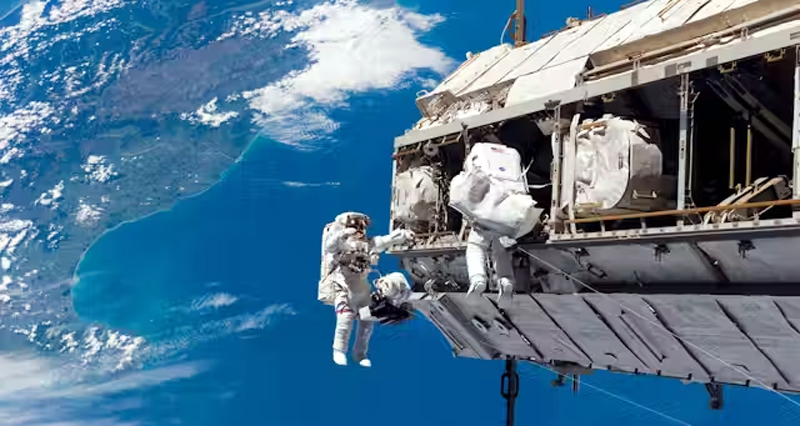
A journey to the International Space Station (ISS) has revealed an unexpected threat to astronaut health: the station’s remarkably clean environment may be causing more harm than good. Researchers have found that the ISS’s sterile conditions are depriving astronauts of the natural exposure to microorganisms that their immune systems need to function properly.
The ISS’s lack of microbial diversity has led to a phenomenon known as a "microbial bubble," where astronauts are only exposed to the microbes they bring with them. This has resulted in a higher incidence of immune-related issues, such as fungal infections, cold sores, and unexplained skin conditions. The solution, experts suggest, is to introduce beneficial microbes into the station to replicate the environmental exposure humans would naturally get on Earth.
This finding has far-reaching implications for our own planet. Modern life has given us remarkable control over our surroundings, but this level of hygiene may be having unintended consequences on our health. Our immune system is a complex network that needs training, and exposure to a broad range of microbes is essential for it to function properly. Without this exposure, our immune system can overreact, triggering allergies, asthma, and autoimmune conditions.
The World Health Organization recommends targeted hygiene practices, focusing on cleaning high-risk areas like toilets and food preparation surfaces, rather than indiscriminately sterilizing all surfaces. This approach acknowledges that not all microbes are enemies, and many play a vital role in keeping us well.
Some scientists are exploring ways to introduce beneficial microbes into our homes and workplaces, using products containing friendly bacteria that can crowd out harmful ones. Others are investigating how to make indoor environments more microbially diverse without compromising safety.
The implications of this research extend beyond the ISS and urban environments. Children raised in more sterile, urban homes with limited exposure to microbes are more likely to develop allergic diseases. In contrast, children who grow up with pets or on farms, with regular contact with soil, animal dander, and a wider variety of bacteria, tend to have lower rates of asthma and allergies.
As we strive for balance in our pursuit of cleanliness, we must also recognize the importance of microbial exposure in maintaining our overall health. It may be time to welcome a little bit of good, clean dirt into our lives, rather than striving for an impossible level of sterility.
Original Source: https://www.dailyexcelsior.com/international-space-station-is-too-clean-what-does-that-tell-us-about-how-to-co-exist-with-bugs-on-earth/
Category :
Tags:
Publish Date: 2025-04-06 05:22:00