Unveiling Injustice: The Heartbreaking Reality of Marginalized Lives in Challakere and Pavagada’s Quest for a Green Future

In the heart of Karnataka, the Chakallere community’s once-flourishing weaving industry has been reduced to a memory. For generations, the Challakere kamblis—water-resistant woolen blankets—were not only essential to the local economy but also woven into the fabric of the community’s cultural life. Traditionally, these blankets accompanied individuals through major life milestones, from the birth of a child to a bride’s dowry, and even in funerary rites. The Indian Army was a notable patron, relying on these durable blankets for both monsoons and winters. However, the past is starkly different from the present, where the industry languishes due to drastic land-use changes.
The transformation began when the government acquired 13,000 acres of grasslands in Challakere for Science City’s development, stripping villagers of grazing and water resources essential for sheep rearing. This move precipitated the sale of livestock and a significant decline in traditional livelihoods. These grasslands, known as kavals, were historically vital, having been designated in the 18th century for raising the robust Amrit Mahal cattle by rulers such as Hyder Ali and Tipu Sultan. Today, the effects of these changes and India’s ambitious net-zero emission target by 2070 have intensified debates over land use and renewable energy.
India is one of the fastest-growing renewable energy markets, doubling its solar installations in 2024 compared to the previous year. Yet, amidst this push for cleaner energy, concerns have surfaced regarding the disproportionate burdens borne by rural, marginalized communities. Bhargavi S. Rao, an experienced environmental advocate, has highlighted the effects of so-called ‘green grabbing’ in regions like Challakere, Pavagada, and Chamrajnagar. According to Rao, renewable energy projects demand extensive land use, often cutting off farming communities from their livelihoods.
In 2009, the takeover of Challakere’s kavals proceeded with minimal local consultation, allocating land to several national agencies like ISRO and DRDO. This disruption was challenged legally, leading the National Green Tribunal to mandate specific environmental protections and stakeholder consultations. However, compliance has been inconsistent, leaving communities further alienated. The once sprawling grasslands are now blocked by high walls, upending traditional practices and ecologically threatening species like the critically endangered great Indian bustard.
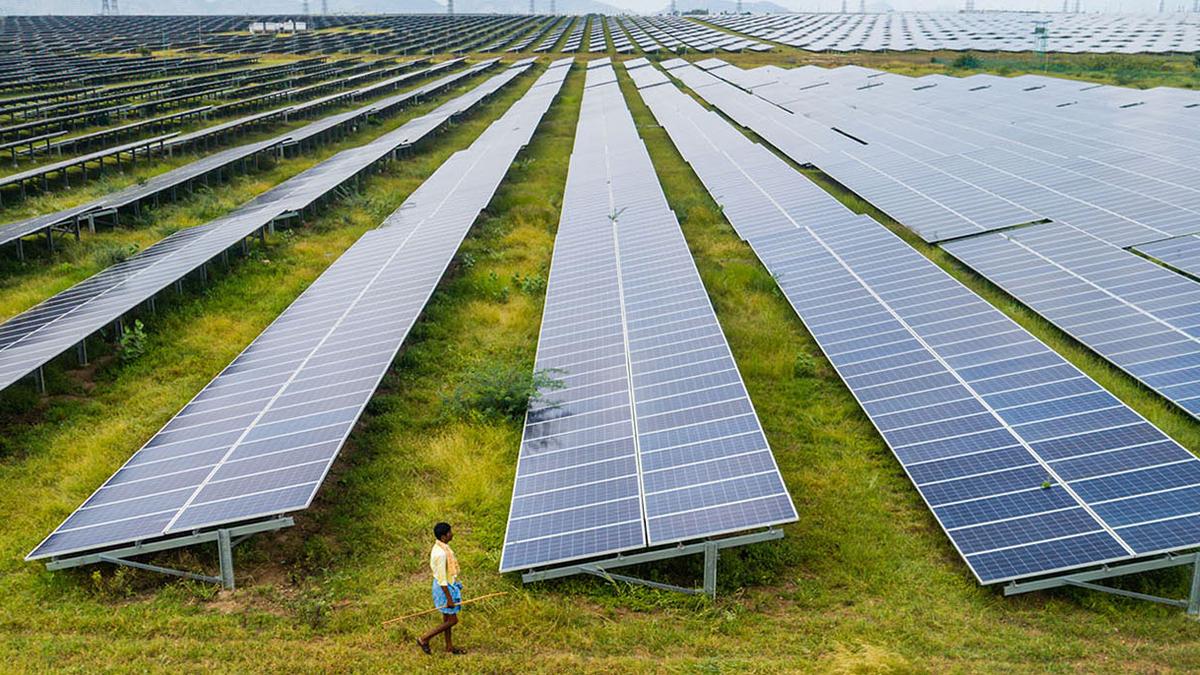
Similarly, in Pavagada, the establishment of a solar park altered socio-economic dynamics. Lands were leased under contested conditions, with promises of jobs and income that have, in reality, furnished limited benefits. Many locals were left with low-wage positions or no employment at all, while others faced the socio-economic fallout of migration and educational disruption, with unintended consequences manifesting in the rise of child marriage and trafficking.
Rao asserts that renewable energy development should integrate local community needs, advocating for decentralized, locally-driven energy solutions that preserve traditional livelihoods and prevent further socio-economic marginalization. Although the development of renewable infrastructure is necessary for combating climate change, the imposition of top-down solutions risks deepening existing inequalities. Local empowerment and resource management could ensure a more inclusive and equitable transition to sustainable energy futures.
Published – April 02, 2025 09:00 am IST
Original Source: https://www.thehindu.com/news/cities/bangalore/green-future-for-whom-revisiting-the-marginalised-lives-of-challakere-and-pavagada/article69399622.ece
Category : Bengaluru
Tags:
Publish Date: 2025-04-02 09:00:00