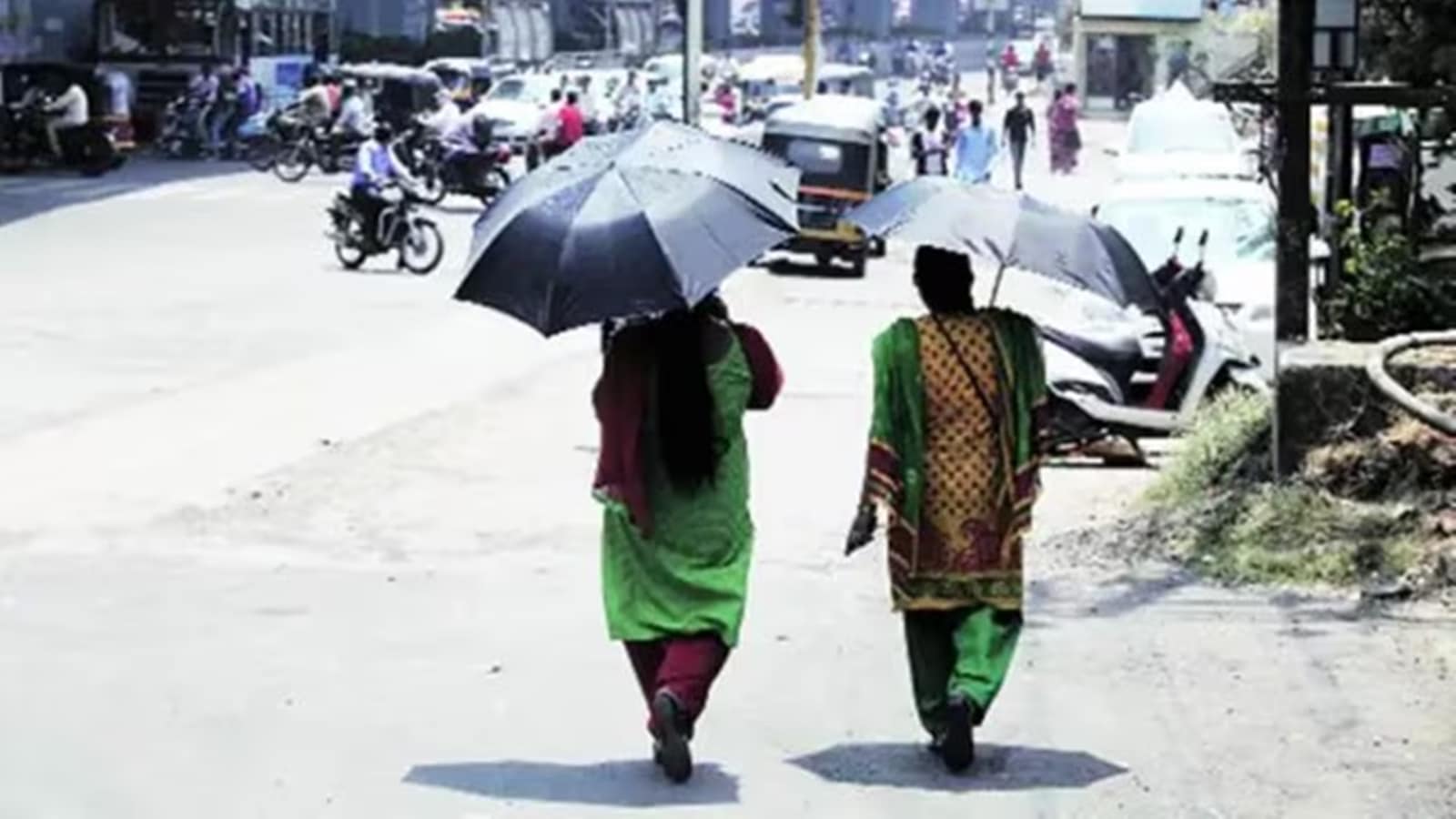

As summer approaches, several Indian states have issued heat advisories, highlighting the country’s struggle to manage rising temperatures. A recent study by Prayas (Energy Group) found that days are getting hotter in traditionally cooler parts of Maharashtra, with nights getting hotter across the state, and an increased number of consecutive hot days. This trend is observed across the country, making it crucial to find effective ways to manage heat.
One popular coping strategy is artificial cooling through appliances like air conditioners, leading to higher electricity demand. However, this comes with its own set of challenges. According to a short-term resource adequacy plan by India’s grid operator, Grid-India, the country could face shortages of over 500 hours in the best-case scenario, mostly in May and June, and over 1,000 hours in the median case, spread over April to October. Peak shortages are expected to touch 30 GW, over 12% of the demand.
To mitigate these shortages, immediate measures can be taken. Preventive maintenance practices and fuel-supply planning are crucial to ensure the entire thermal generation fleet is available and operating as flexibly as possible. Awareness programs encouraging consumers to buy energy-efficient ACs and use them judiciously can lower demand spikes. Additionally, appeals can be made to consumers to shift their appliance usage to daytime, reducing the stress on the grid during evening and nighttime hours. This was successfully trialed in Kerala and Kolkata last summer.
In the long run, a strategic approach is necessary. The addition of significant renewable energy capacity continues to be a key factor, with battery storage needing to be added in a calibrated manner. Thermal generation will continue to play a vital role in balancing the system, with fixed cost payments for thermal power plants weighted to reflect their availability during high-demand months and hours. India’s gas-based generation capacity, currently underutilized due to erratic gas supply, should be streamlined with added gas storage facilities if needed.
As the country continues to add new buildings and appliances with growing cities and population, it is essential to incorporate energy-efficient designs and standards. This includes ratcheting up appliance efficiency standards, incentivizing five-star appliances, and implementing building codes that reduce energy demand while ensuring thermal comfort. A shift towards more sensible and snowballing demand response programs, where large consumers are paid to shift their load at the request of the utility, can also help.
Ultimately, the key to addressing the country’s energy challenges lies in an agile and transparent approach. This requires institutions, such as utilities, system operators, and regulators, to build internal capabilities to take advantage of advanced open-source modeling tools. By doing so, they can make informed decisions that affect the larger public, ensuring that the growing demand is met with the least cost using a variety of supply and demand resources.
Original Source: https://indianexpress.com/article/opinion/columns/on-heat-and-power-stress-act-but-not-in-haste-9917552/
Category : Columns,Opinion
Tags:
Publish Date: 2025-04-01 11:25:00