Exciting Progress: Will the Kailash-Mansarovar Yatra Resume? Key Takeaways from the Impactful India-China WMCC Talks

In a significant diplomatic move, India and China re-engaged in talks to foster better management of their shared border and resume cross-border initiatives, framing a forward path for smoother relations. This marked the 33rd assembly of the Working Mechanism for Consultation and Coordination (WMCC) on border affairs. The primary agenda centered around implementing decisions drawn from a 2024 dialogue between India’s National Security Adviser Ajit Doval and Chinese Foreign Minister Wang Yi, aimed at solidifying effective border management practices.
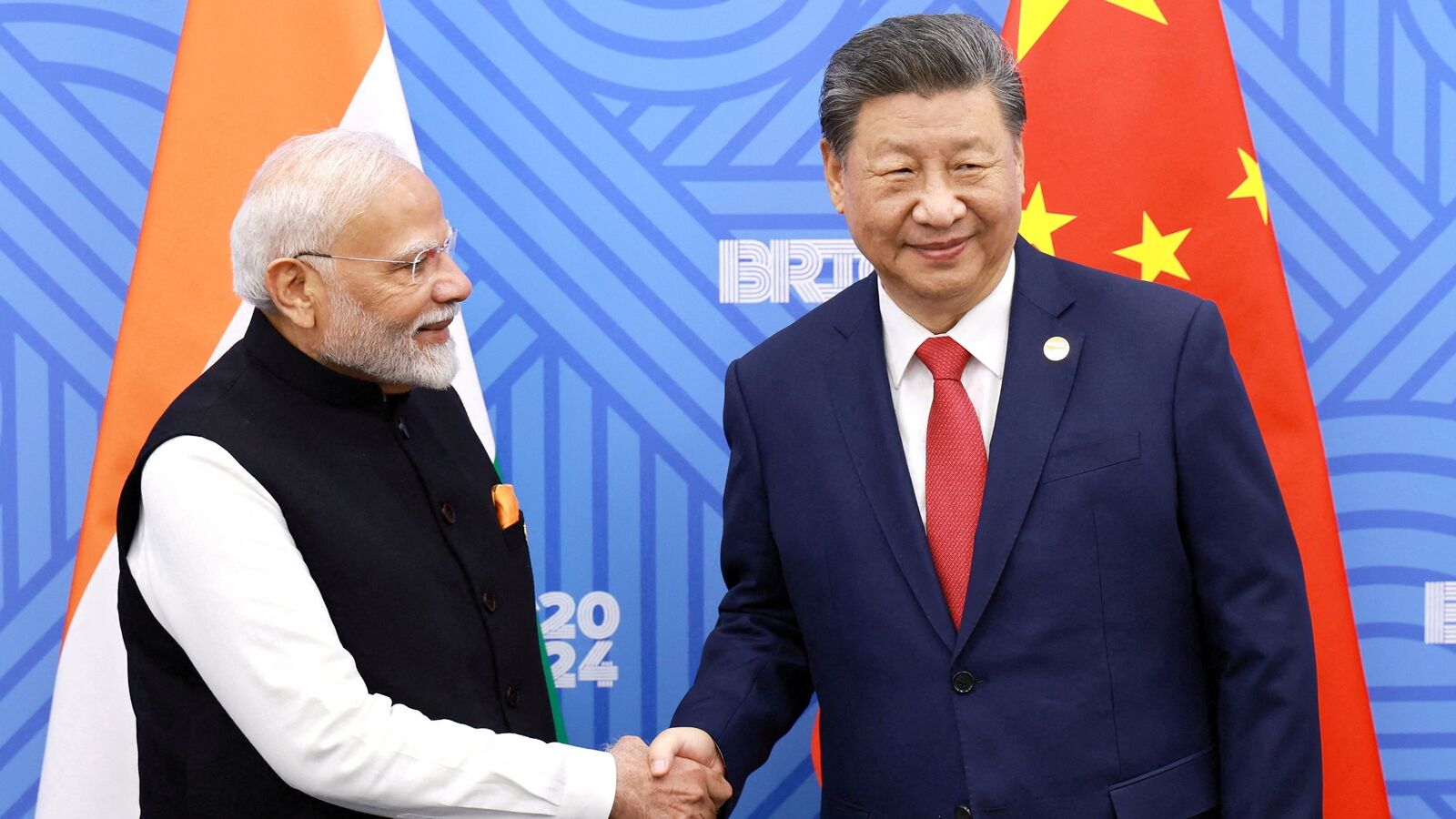
The discussions took place against a backdrop of recent high-level interactions, notably two months after Foreign Secretary Vikram Misri’s visit to Beijing, where he exchanged views with his Chinese counterpart. Gourangalal Das, Joint Secretary (East Asia), led the Indian delegation, while Hong Liang, Director General of the Boundary and Oceanic Affairs Department, represented China. Their exchanges were underscored by a previous meeting between Prime Minister Narendra Modi and Chinese President Xi Jinping in Kazan on October 23, where both nations committed to reviving the Special Representatives (SR) mechanism.
An official statement from India’s Ministry of External Affairs (MEA) emphasized the need to “maintain and strengthen relevant diplomatic and military mechanisms,” a critical step toward ensuring stability along the contested Line of Actual Control (LAC) in eastern Ladakh. Currently, both India and China station approximately 50,000 to 60,000 troops in the region, making effective management crucial for bilateral ties.
Furthermore, the MEA revealed that robust preparations are underway for the next SR meeting slated for later this year in India. The statement highlighted that maintaining peace and tranquillity on the border is “critical” for enhancing broader bilateral relations. China’s ambassador to India, Xu Feihong, echoed this sentiment, noting, “Both sides, adopting a positive, constructive, and forward-looking approach, conducted a comprehensive and in-depth exchange of views.”
The conversation also reflected a shared commitment to tangible actions that would uphold peace and stability in their border regions and actively prepare for future dialogues. The ongoing dialogue aligns with India’s steadfast stance that normalizing relations with China is contingent upon peace along the border. Noteworthy is the recent resumption of military patrols by both nations in Demchok and Depsang, areas previously tense due to stalled disengagement processes over the past four-and-a-half years.
As geopolitical dynamics unfold, the renewed focus on dialogue and cooperation indicates a readiness by both India and China to navigate complex border issues constructively. The talks not only signify hope for a normalized relationship but also for a shared peaceful future, promising stability and potential collaboration on shared regional and global concerns. This meeting builds a narrative of cautious optimism that issues, no matter how contentious, can be addressed through sustained dialogue and cooperation. As developments progress, the focus will remain on how effectively both countries can translate these diplomatic engagements into lasting peace and cooperation.
Original Source: https://www.livemint.com/news/india/will-kailash-mansarovar-yatra-resume-key-takeaways-from-india-china-talks-at-wmcc-beijing-meet-11742968891161.html
Category :
Tags:
Publish Date: 2025-03-26 12:48:00