Trump’s Bold Move: Crushing Tariffs on India and China Over Controversial Venezuelan Oil Purchases

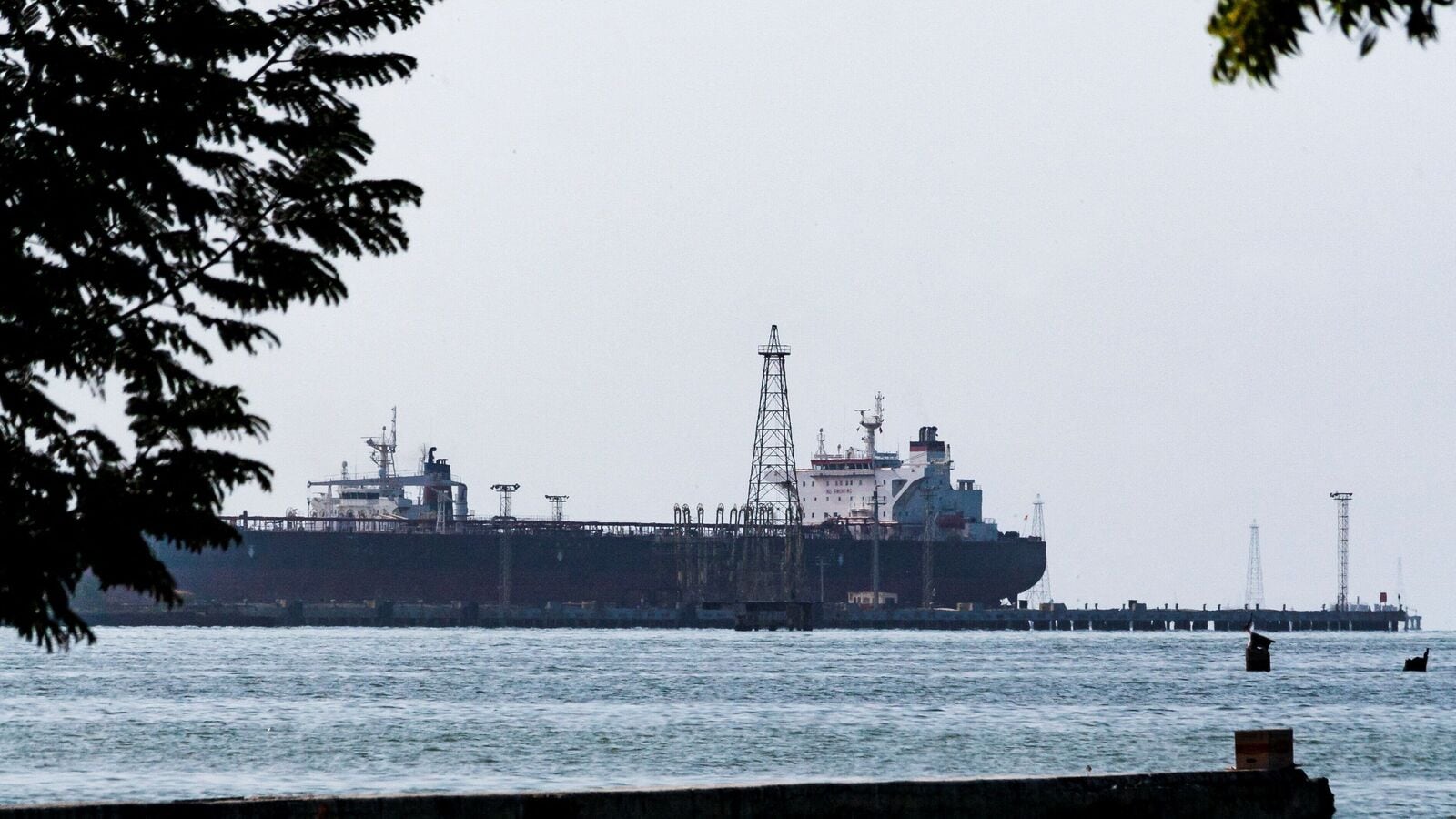
In a significant geopolitical and economic development, U.S. President Donald Trump announced on Monday the imposition of steep tariffs on countries importing oil and gas from Venezuela. This new policy could heavily impact major importers such as China and India. According to a report by AFP, the tariffs, set at a 25% rate, will apply to both direct and indirect buyers and are slated to take effect as soon as April 2, based on an order signed by the president. The U.S. Secretary of State, along with other agencies, will make the final decision on whether these tariffs will be imposed.
Since his return to the White House in January, Trump has implemented tariffs on both allied and adversarial nations as part of a broader strategy to influence global economic and diplomatic policies. These latest measures particularly affect China and India, both of which are significant partners of Venezuela in the oil trade, alongside the U.S. and Spain. During his announcement, Trump mentioned that the tariffs would be in addition to existing ones, further increasing pressure on countries currently engaged in oil trade with Venezuela.
In February alone, Venezuela exported approximately 500,000 barrels of oil per day to China, while the United States imported about 240,000 barrels, according to experts cited by AFP. Trump has labeled April 2 as “Liberation Day” for the U.S. economy, promising a series of reciprocal tariffs tailored to each trading partner to combat what Washington considers unfair trade practices. Previously, Trump hinted at sector-specific duties, but Monday’s statements from the White House suggest a more focused, nuanced approach with these newly announced measures.
Through a post on Truth Social, Trump articulated several reasons for introducing what he termed as a “secondary tariff.” He accused Venezuela of deceitful practices, including allegedly sending “tens of thousands of high-level, and other, criminals” to the United States, and criticized Venezuela’s government for being hostile to American interests and values. According to the order, these tariffs will expire one year after the last import date of Venezuelan oil unless Washington decides to alter this timeline sooner.
On an administrative level, the Trump administration extended the deadline for the U.S. oil company Chevron to cease its operations in Venezuela to May 27, operating under a sanctions waiver. Meanwhile, discussions between Washington and its global partners continue as EU trade chief Maros Sefcovic visits the U.S. to consult with Commerce Secretary Howard Lutnick and trade envoy Jamieson Greer.
The announcement has reverberated through financial markets, suggesting a possible more narrow and strategic rollout of tariffs. Treasury Secretary Scott Bessent told Fox Business that the U.S. plans to give trading partners a clear picture of tariff levels and non-tariff barriers. Bessent also indicated that nations might avoid new levies by reforming what he described as “unfair practices.” Bessent emphasized targeting about 15% of countries with substantial trade imbalances with the United States, referring to them as the “dirty 15.”
Readers can stay updated on this developing story and other important business news by accessing real-time updates through platforms like The Mint News App. With these changes, it’s imperative to observe how global trade relationships will evolve amid rising tensions between the United States and countries doing business with Venezuela.
Original Source: https://www.livemint.com/news/world/donald-trump-to-impose-sharp-tariff-on-india-china-for-buying-venezuelan-oil-11742868233608.html
Category :
Tags:
Publish Date: 2025-03-25 08:20:00