Cancer Defeat: Poonam’s Miraculous Journey vs. Sheela’s Harrowing Struggle: A Tale of Hope and Resilience

The Screensaver.
The Unrecognized Jewel in Cancer Surgery: How a Simple Dye is Revolutionizing the Treatment of Uterine and Endometrial Cancers
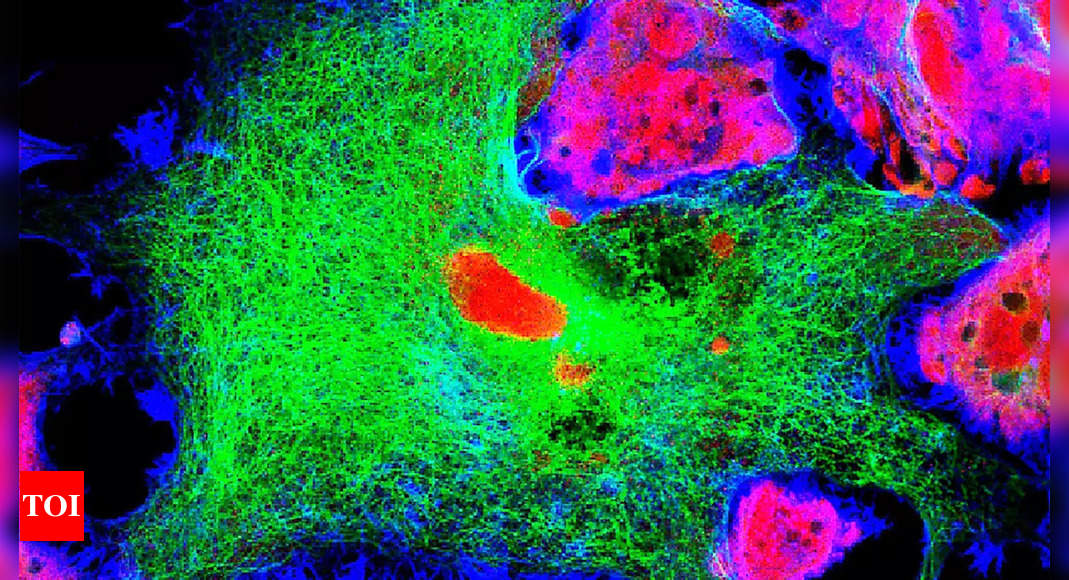
In India, early-stage uterine and endometrial cancers can be treated, but the chances of recurrence are high due to undetected lymph nodes. A green fluorescent dye, Indocyanine Green (ICG), has changed this scenario, saving lives and ensuring better outcomes. Poonam, a Kanpur resident, underwent a hysterectomy in Pune, and the ICG dye detected three cancerous lymph nodes, which were promptly removed, followed by a course of radiotherapy. A year later, she remains cancer-free.
The advantages of ICG are significant. This dye allows surgeons to precisely target and remove only the affected lymph nodes, drastically reducing recurrence rates and unnecessary surgeries. A 2020 meta-analysis published in The Lancet Oncology confirmed that sentinel node biopsies using ICG cut recurrence rates by 30% compared to traditional methods. The US National Cancer Institute found early-stage breast cancer survival rates jump from 75% to 92% with the adoption of ICG.
Despite these benefits, the use of ICG in India is limited. Experts cite various logistical hurdles, including the uterus being internally located, requiring a per-vaginal injection of the dye before surgery. Centres performing robotic-assisted hysterectomies find it easier to use this technology, while traditional surgical approaches are less conducive. Additionally, detecting the dye in open surgeries requires a specialized ‘spy’ camera, adding to the costs.
A key challenge lies in the low adoption rate of ICG in India. Only about 7,500 gynaecological surgeons are trained in laparoscopic surgery, whereas 45,000 perform open surgeries, which often involve extensive lymph node removal. The ICG dye is more readily available now, making it a routine tool in many cancer centres for breast, colorectal, and oesophageal cancers. Using it for uterine cancers shouldn’t be a problem.
Dr. Shailesh Puntambekar, a Pune-based robotic onco-surgeon, emphasized that the shift is essential, given that 80% of endometrial cancer patients in India are diagnosed at an early stage. He believes that the benefits far outweigh the challenges, stating, “Patient outcomes take precedence over procedural preferences.”
While pioneers like Hyderabad’s Basavatarakam Indo American Cancer Hospital and Bengaluru’s Aster Group have shown the clinical advantages of ICG, many cancer centers in India are yet to fully adopt it. Experts recommend a paradigm shift, where patient outcomes are prioritized over procedural preferences. Uterine and endometrial cancers predominantly affect women aged 50 and above, and given the rising numbers, adopting ICG technology is crucial for better outcomes and reduced unnecessary surgeries.
Dr. Rudra Prasad Acharya, secretary of the Indian Association of Surgical Oncology, cautioned that the absence of ICG technology has led to surgeons removing lymph nodes indiscriminately, resulting in higher recurrence rates. Dr. Sunita Tandulwadkar, national president of the Federation of Obstetric and Gynaecological Societies of India, stressed the importance of expanding ICG use, considering 90% of India’s 1.75 lakh annual endometrial cancer cases are diagnosed at an early stage.
In conclusion, the ICG dye offers a breakthrough in cancer surgery, reducing recurrence rates, and improving survival rates. It’s high time for Indian cancer centers to prioritize patient outcomes over procedural preferences and adopt this technology to save lives.
Original Source: https://timesofindia.indiatimes.com/life-style/health-fitness/health-news/why-poonam-beat-cancer-but-sheela-wasnt-so-lucky/articleshow/119173950.cms
Category :
Tags:
Publish Date: 2025-03-19 05:00:00