
In a concerning health development, West Texas and New Mexico are grappling with a measles outbreak that has now reached over 250 cases, with the tragic loss of two lives due to measles-related complications. The outbreak underscores the highly contagious nature of the measles virus, which spreads through airborne transmission during coughing or sneezing by an infected individual. Despite its potential severity, measles is preventable via vaccines and was considered eliminated in the U.S. since 2000 owing to widespread vaccination efforts.
Health authorities in Texas announced that, as of Tuesday, there have been 25 new measles cases since the previous week, elevating the state’s total to 223 cases, with 29 hospitalizations. Meanwhile, officials in New Mexico reported 30 measles cases in Lea County, an area neighboring the major West Texas outbreak zone. Alarmingly, a school-age child in Texas and an adult in New Mexico have succumbed to the virus, marking a rare yet impactful consequence of declining vaccination rates.
Beyond the affected core areas, measles has surfaced in Alaska, California, Georgia, Kentucky, Maryland, New Jersey, New York, Pennsylvania, and Rhode Island. According to the Centers for Disease Control and Prevention (CDC), an outbreak is defined as three or more related cases, and the U.S. has witnessed three such clusters since 2025. Typically, outbreaks in the U.S. initiate from individuals who contract the disease abroad and subsequently introduce it to communities with low vaccination coverage.
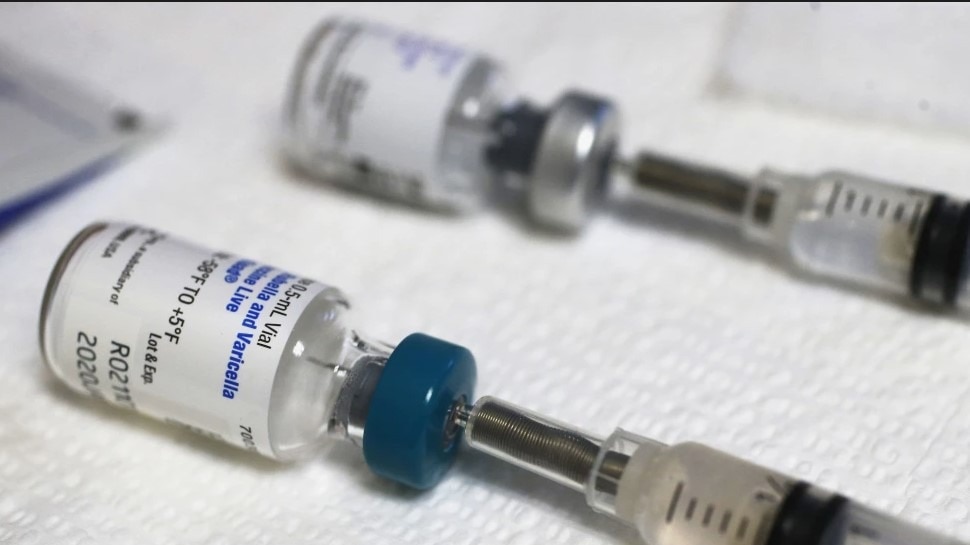
The most effective defense against measles remains the measles, mumps, and rubella (MMR) vaccine, recommended as two doses for children—first between 12 and 15 months, and the second between 4 and 6 years old. Adults at high risk or those in outbreak areas should consult healthcare providers about potential MMR boosters, suggests Scott Weaver of the Global Virus Network. Immunity can be assessed via a lab test known as an MMR titer, although this is not universally recommended, and insurance policies on it vary.
Symptoms of measles begin with respiratory infection indicators such as high fever, runny nose, cough, and red, watery eyes. A characteristic rash usually appears three to five days post these symptoms, starting on the face and moving across the body as fever spikes potentially above 104 degrees. Although there is no specific treatment for measles, medical interventions focus on symptom relief and complication prevention.
The critical role of vaccination underscores the concept of herd immunity, wherein high coverage rates—above 95%—hinder disease spread. However, childhood vaccination rates have waned across the U.S., partially due to increased religious or personal exemption claims. This drop in vaccination coverage parallels a rise in measles cases, notably including a recent outbreak in Chicago affecting over 60 individuals. Such trends echo historical data, with 2019 seeing record measles cases in nearly three decades.
Ensuring the continuity of vaccination programs and addressing vaccine hesitancy are pivotal in combating measles outbreaks. Public health officials advocate for enhanced community awareness and vaccination efforts to avert further outbreaks and protect public health. Keeping vaccination rates high is vital to maintaining the health and safety of communities across the nation.
Original Source: https://www.indiatoday.in/world/us-news/story/measles-resurgence-across-us-10-states-report-surge-in-cases-glbs-2692326-2025-03-11
Category :
Tags:
Publish Date: 2025-03-11 23:21:00